





Eco Friendly Phone Case vs Plastic Cases: What’s Better for the Planet?
The Growing Debate Around Smartphone Protection and Sustainability
Smartphones have become essential in everyday life, and protecting them with a case is almost universal. However, the type of case you choose has a bigger environmental impact than most people realize. The debate between an eco friendly phone case and traditional plastic cases is growing as consumers become more aware of sustainability issues. While plastic cases dominate the market due to affordability and availability, eco-friendly alternatives are gaining attention for their reduced environmental footprint.
Understanding the differences between these two options is important for anyone who wants to make a responsible purchasing decision. From production methods to disposal impact, each choice affects the planet in different ways.
What Are Traditional Plastic Phone Cases Made Of?
Most conventional phone cases are made from petroleum-based plastics such as polycarbonate, polyurethane, or thermoplastic polyurethane (TPU). These materials are popular because they are cheap, flexible, and highly durable.
However, their environmental downside is significant. Plastic production relies heavily on fossil fuels, contributing to greenhouse gas emissions. Once discarded, plastic phone cases can take hundreds of years to decompose. Many end up in landfills or oceans, breaking down into microplastics that harm wildlife and ecosystems.
Even though plastic cases are long-lasting in terms of usage, their afterlife is environmentally damaging. Recycling them is also difficult because mixed materials and dyes reduce recyclability.
What Makes an Eco Friendly Phone Case Different?
An eco friendly phone case is designed to minimize environmental harm throughout its entire lifecycle—from production to disposal. These cases are typically made from sustainable, biodegradable, or recycled materials.
Common materials include plant-based bioplastics, bamboo fiber, cork, wheat straw, flax, and recycled plastics. Some brands even use compostable materials that break down naturally without leaving toxic residues.
The goal of an eco friendly phone case is not only to protect your phone but also to reduce pollution, carbon emissions, and waste accumulation. Many companies producing these cases also focus on ethical manufacturing practices and reduced packaging waste.
Environmental Impact: Plastic vs Eco Friendly Phone Case
When comparing environmental impact, the difference is clear.
Plastic cases require non-renewable fossil fuels and generate significant carbon emissions during production. Their disposal creates long-term pollution problems, especially in marine environments where plastic waste is a major crisis.
In contrast, an eco friendly phone case is often made from renewable or recycled resources. This reduces dependency on fossil fuels and lowers overall emissions. Biodegradable materials also ensure that the product does not remain in the environment for centuries.
Another key difference is end-of-life disposal. Plastic cases usually contribute to landfill waste, while eco-friendly alternatives can often be composted or safely broken down.
Durability and Performance Comparison
One common misconception is that eco-friendly products are less durable. While early versions of sustainable phone cases were sometimes less robust, modern designs have significantly improved.
A high-quality eco friendly phone case can offer similar levels of shock absorption and scratch resistance as plastic cases. Materials like plant-based TPU blends and reinforced natural fibers are engineered for strength and flexibility.
Plastic cases still have an advantage in extreme durability scenarios, especially heavy-duty models designed for industrial protection. However, for everyday use, eco-friendly cases provide more than enough protection for most users.
Design, Style, and Consumer Appeal
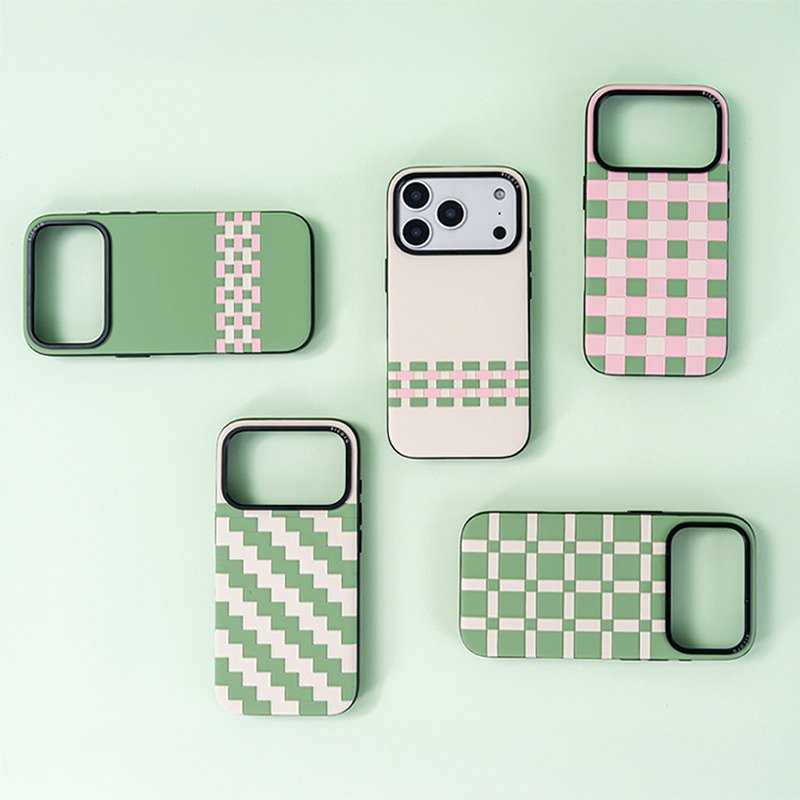
Design plays a major role in phone case selection. Plastic cases dominate the market partly because they offer endless design possibilities, including glossy finishes, bright colors, and printed graphics.
However, an eco friendly phone case offers a more natural and minimalist aesthetic. Many users appreciate the earthy textures, matte finishes, and unique patterns that come from natural materials like bamboo or cork.
Brands producing eco-friendly cases are also increasingly focusing on stylish designs, proving that sustainability does not have to compromise appearance. In fact, eco-friendly cases often stand out precisely because of their unique, organic look.
Cost Differences and Accessibility
Plastic phone cases are generally cheaper to produce, which makes them more affordable for consumers. They are widely available in almost every phone accessory store, both online and offline.
An eco friendly phone case is often slightly more expensive due to sustainable sourcing, ethical manufacturing, and lower production scale. However, the price gap is gradually narrowing as demand increases and production becomes more efficient.
Many consumers now see the slightly higher cost as an investment in environmental responsibility rather than just a purchase.
Why Consumers Are Switching to Eco Friendly Phone Case Options
The shift toward sustainable living is one of the biggest drivers behind the popularity of eco-friendly accessories. People are becoming more aware of plastic pollution and its long-term effects on ecosystems.
Choosing an eco friendly phone case is a small but meaningful step toward reducing personal environmental impact. It aligns with broader lifestyle changes such as reducing single-use plastics, recycling more effectively, and supporting ethical brands.
Social awareness also plays a role. Many consumers prefer products that reflect their values, and sustainability has become an important factor in purchasing decisions.
Challenges Faced by Eco Friendly Phone Case Adoption
Despite their benefits, eco-friendly cases still face some challenges. Limited availability in certain regions can make them harder to find. Some consumers also remain skeptical about durability or performance.
Another issue is marketing transparency. Not all products labeled as “eco-friendly” are truly sustainable. Some may contain only a small percentage of recycled material, leading to confusion among buyers.
Education is key to overcoming these challenges. As more verified sustainable brands enter the market, trust and accessibility continue to improve.
The Future of Smartphone Accessories and Sustainability
The future of phone accessories is moving toward sustainability. Governments and environmental organizations are encouraging reduced plastic usage, and consumers are demanding greener alternatives.
Innovation in materials is expected to improve the quality and affordability of eco-friendly products even further. New biodegradable polymers and advanced recycling techniques are already being developed.
In the coming years, the eco friendly phone case may become the standard rather than the alternative. As awareness grows, plastic cases may gradually lose dominance in the market.
Final Verdict: Which Is Better for the Planet?
When comparing an eco friendly phone case with traditional plastic cases, the environmental winner is clear. Eco-friendly options significantly reduce pollution, rely on renewable resources, and offer safer disposal methods.
Plastic cases may still be cheaper and slightly more durable in extreme conditions, but their long-term environmental cost is far higher.
For consumers who care about sustainability, switching to an eco friendly phone case is a simple yet impactful decision. It allows you to protect your phone while also protecting the planet.