



A Simple Guide to Understanding Home Oxygen Concentrator Systems
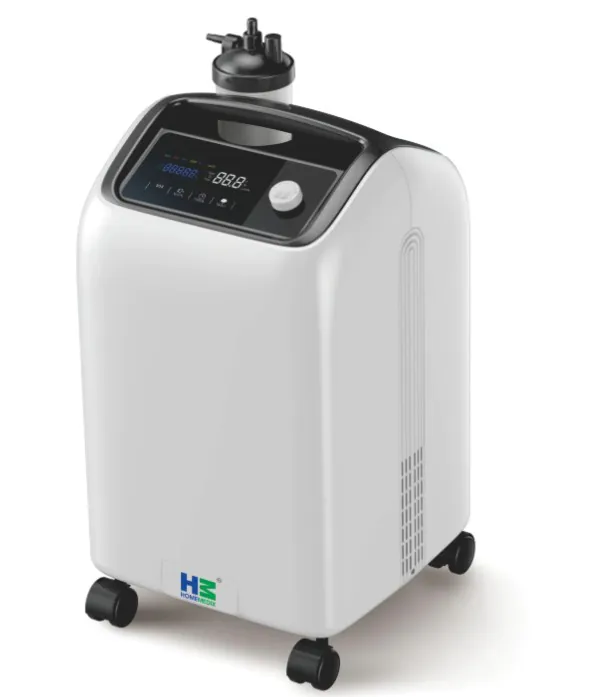
A home oxygen concentrator can be an important part of respiratory support for people who need supplemental oxygen in their daily lives. Unlike traditional oxygen cylinders that store a limited amount of compressed oxygen, an oxygen concentrator takes air from the surrounding environment, removes nitrogen and other gases, and delivers a concentrated supply of oxygen. This makes the system practical for many home-care situations when prescribed by a healthcare professional.
The term 家用氧氣機 refers to a home oxygen machine or home oxygen concentrator. As awareness of home respiratory equipment continues to grow, understanding how these systems work, what features they offer, and how they should be used can help patients and caregivers make informed decisions.
What Is a Home Oxygen Concentrator?
A home oxygen concentrator is an electrically powered medical device designed to provide concentrated oxygen. Ordinary air contains approximately 21% oxygen, along with nitrogen and small amounts of other gases. The concentrator draws this air through filters and uses specialized technology to separate oxygen from nitrogen.
The concentrated oxygen is then delivered through an oxygen tube, nasal cannula, or another prescribed interface. The amount and flow of oxygen should be determined by a qualified healthcare professional based on the individual’s medical needs.
Unlike an oxygen cylinder, a concentrator does not need to be refilled with compressed oxygen. It continuously processes room air while it has access to electricity and is operating correctly.
How Does an Oxygen Concentrator Work?
Understanding the basic operating process makes home oxygen equipment easier to use. The device typically begins by drawing surrounding air through an intake system. Filters help remove dust and other particles before the air reaches the oxygen-separation components.
Many concentrators use a technology called pressure swing adsorption. Special molecular sieve materials selectively retain nitrogen while allowing oxygen to pass through in a concentrated form. The system cycles through different stages to maintain oxygen production.
The concentrated oxygen travels through tubing to the user. Depending on the model and prescription, the machine may provide oxygen continuously or according to a specific delivery setting.
Because the device separates oxygen from ambient air rather than storing a large oxygen supply internally, it can provide an ongoing source of supplemental oxygen during operation.
Why Might Someone Need Home Oxygen?
Supplemental oxygen may be prescribed for people whose blood oxygen levels are lower than recommended because of certain respiratory or other medical conditions. The purpose is to support adequate oxygen availability in the body.
A doctor or respiratory specialist may evaluate oxygen levels using measurements such as pulse oximetry or other clinical tests. Based on the results, the healthcare professional can determine whether supplemental oxygen is appropriate and establish the prescribed flow rate and usage schedule.
Home oxygen should not be started, stopped, or adjusted solely on the basis of how a person feels. Oxygen is a medical therapy, so professional guidance is important.
Key Components of a Home Oxygen System
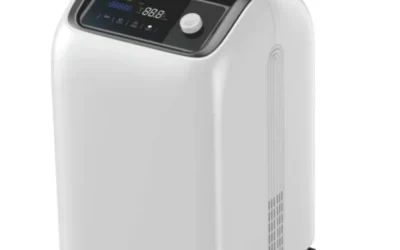
A typical home oxygen setup includes several basic components. The concentrator itself is the main unit and contains the technology responsible for processing surrounding air.
Oxygen tubing connects the machine to the delivery device. A nasal cannula is commonly used to deliver oxygen through the nostrils. Some situations may require a different interface, depending on the user’s needs and medical instructions.
Many systems also contain intake filters and alarms. These features can help protect the equipment and alert users to conditions such as power interruptions or operating problems.
Some models include digital displays, adjustable controls, timers, oxygen concentration indicators, or other monitoring features. The exact features vary between manufacturers and models.
Choosing a Home Oxygen Concentrator
When considering a 家用氧氣機, users should focus first on medical requirements and professional recommendations rather than selecting a device based only on appearance or price.
Flow-rate capability is one important consideration. The machine needs to support the oxygen flow prescribed by the healthcare provider. Oxygen concentration performance, reliability, operating noise, physical size, and ease of maintenance may also be relevant.
For people who spend most of their time at home, a larger stationary unit may be suitable. Individuals who need greater mobility may need to discuss portable oxygen solutions with their healthcare provider.
Electrical requirements should also be considered. A home oxygen concentrator generally requires a dependable power supply, making backup planning particularly important in areas where power interruptions can occur.
Using an Oxygen Concentrator Safely
Safety is an essential part of home oxygen therapy. Oxygen itself does not burn, but it supports combustion and can make fires burn faster and more intensely. Smoking should never be permitted around oxygen equipment.
The concentrator should be positioned in a well-ventilated area according to the manufacturer’s instructions. Air vents should remain unobstructed, and the device should not be covered while operating.
Keep the equipment away from open flames, candles, gas stoves, heaters, and other potential ignition sources. Users should also avoid placing the concentrator where liquids could spill onto the electrical components.
Tubing should be arranged carefully to reduce the risk of tripping. Regular inspection can help identify damaged tubing, connectors, or other components before they become a problem.
Maintaining a Home Oxygen Concentrator
Routine maintenance helps keep an oxygen concentrator operating properly. Users should follow the manufacturer’s instructions for cleaning and replacing filters. The exterior of the machine can generally be cleaned according to the instructions provided with the equipment.
The oxygen tubing and nasal cannula should also be handled and replaced according to professional and manufacturer recommendations. If the machine produces unusual sounds, displays an error, becomes excessively hot, or appears to operate differently than normal, it should be checked according to the manufacturer’s troubleshooting instructions.
Users should never attempt complicated internal repairs themselves. Medical equipment that is not functioning correctly should be inspected or serviced by an appropriately qualified technician.
Understanding Power and Backup Planning
Because a home concentrator depends on electricity, power planning is an important part of home oxygen use. A household using oxygen therapy should understand what happens when the electricity supply fails.
Depending on the person’s medical needs, a backup oxygen source or appropriate emergency plan may be recommended by the healthcare provider or oxygen supplier. Backup arrangements should be established before an emergency occurs.
It is also useful to keep important equipment instructions and healthcare contact information readily accessible. Family members and caregivers should understand the basic operation of the system and know what to do if an alarm or power interruption occurs.
Comfort and Everyday Use
Comfort can influence how easily someone follows a prescribed oxygen routine. The nasal cannula should be positioned correctly and adjusted according to the manufacturer’s guidance. Tubing should be long enough for normal movement without becoming excessively loose or creating unnecessary hazards.
Noise may also matter, particularly when the concentrator is used overnight. Some modern systems are designed with quieter operation, but users should still follow recommended placement and ventilation requirements.
Keeping the surrounding area organized can make daily use easier. A dedicated location for the concentrator, tubing, accessories, and maintenance supplies can help reduce confusion and improve convenience.
The Importance of Professional Guidance
A home oxygen concentrator is more than an ordinary household appliance. It is medical equipment intended to deliver supplemental oxygen according to a person’s healthcare requirements.
Before purchasing or using a 家用氧氣機, users should discuss their oxygen needs with a qualified healthcare professional. The prescribed flow rate, duration of use, delivery method, and monitoring requirements should be followed carefully.
With appropriate guidance, safe operation, regular maintenance, and reliable power planning, a home oxygen concentrator can become a practical component of home respiratory care. Understanding the basics helps patients and caregivers use the equipment confidently while keeping safety and medical instructions at the center of everyday oxygen therapy.