





Why Companies Are Adopting SERP API for Advanced Search Analytics
Introduction
Search engines have become one of the most important sources of information for businesses, marketers, and consumers. Every day, millions of users search for products, services, and answers online, creating valuable data that organizations can use to improve their digital strategies. Understanding search engine results is no longer optional for companies that want to stay competitive. This is why many organizations are adopting serp api solutions to gather accurate search data efficiently.
A serp api provides automated access to search engine results, allowing businesses to collect structured data without manually performing searches. Instead of spending countless hours monitoring rankings, competitors, and keywords, companies can rely on APIs to retrieve real-time information. This technology is helping businesses make smarter decisions, optimize SEO campaigns, improve marketing strategies, and better understand customer behavior.
The Growing Need for Search Analytics
Search analytics has evolved significantly over the past decade. Businesses are no longer interested in tracking only a handful of keywords. Modern companies need comprehensive insights into search trends, competitor rankings, featured snippets, local search results, shopping listings, videos, images, and more.
Traditional methods of manually checking search engine rankings are slow, inconsistent, and difficult to scale. Large organizations often monitor thousands of keywords across multiple countries and devices. Without automation, this process becomes nearly impossible.
Search analytics provides businesses with valuable insights, including:
- Keyword rankings
- Competitor performance
- Organic traffic opportunities
- Search intent
- Seasonal keyword trends
- Local search visibility
- SERP feature appearances
Access to this information allows companies to continuously improve their online visibility.
How SERP API Simplifies Data Collection
One of the biggest reasons businesses are switching to serp api solutions is automation. Instead of manually searching for hundreds or thousands of keywords every day, an API automatically collects structured search engine data within seconds.
This automation saves valuable time while reducing human error. Businesses can schedule data collection, integrate results into dashboards, and generate reports without repetitive manual work.
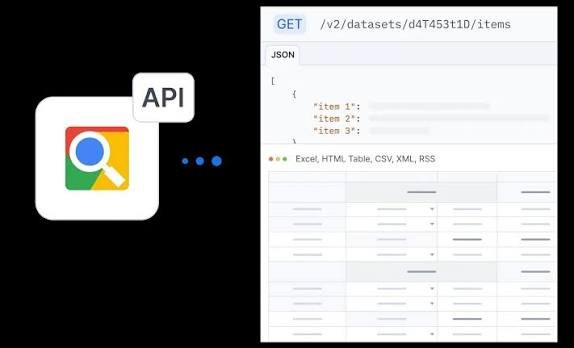
The collected information is usually available in easy-to-use formats such as JSON, making integration with existing software systems straightforward. Marketing teams, developers, and analysts can all benefit from organized and reliable search data.
Automation also enables businesses to monitor search performance continuously rather than relying on occasional manual checks.
Better Accuracy and Real-Time Insights
Digital marketing changes rapidly. Search rankings fluctuate daily because of algorithm updates, competitor activities, user behavior, and fresh content.
Businesses require accurate and timely information to make informed decisions. Modern APIs provide fresh search results that reflect current ranking positions rather than outdated reports.
Real-time insights help organizations:
- React quickly to ranking changes
- Discover new keyword opportunities
- Identify sudden traffic losses
- Monitor competitor improvements
- Track seasonal search trends
Having current search information allows businesses to respond before small problems become significant issues.
Improved SEO Strategy
SEO professionals rely heavily on search data to build effective optimization strategies. Without reliable search analytics, it becomes difficult to understand whether optimization efforts are producing results.
Search analytics allows SEO teams to evaluate:
Keyword Performance
Businesses can determine which keywords generate visibility and which require additional optimization.
Competitor Rankings
Understanding competitor performance helps identify content gaps and opportunities for improvement.
SERP Features
Modern search results include featured snippets, People Also Ask sections, local packs, shopping listings, videos, and images. Monitoring these features helps businesses expand their search visibility.
Content Opportunities
By analyzing search trends, companies can create content that aligns with what users are actively searching for.
These insights lead to better long-term SEO performance.
Supporting Large-Scale Marketing Campaigns
Many businesses manage extensive digital marketing campaigns targeting thousands of keywords across multiple locations.
Manual tracking simply cannot handle this level of complexity.
API-driven search analytics makes it possible to:
- Monitor thousands of keywords simultaneously
- Compare rankings across countries
- Track mobile and desktop search results
- Measure campaign success over time
- Generate automated reports
Large enterprises especially benefit from scalable search monitoring that grows with their business needs.
Enhanced Competitive Intelligence
Understanding competitors has become essential in digital marketing.
Businesses use search analytics to observe how competitors perform across different keywords, industries, and regions.
Competitive analysis can reveal:
- New keyword targets
- Successful content strategies
- Ranking improvements
- Lost opportunities
- Emerging market trends
Rather than guessing what competitors are doing, organizations gain measurable insights that support smarter decision-making.
This information enables companies to adapt their strategies before competitors gain a significant advantage.
Easy Integration with Business Tools
Modern businesses depend on multiple software platforms for reporting, analytics, customer relationship management, and business intelligence.
Search analytics data becomes much more valuable when integrated into existing workflows.
APIs make integration simple by allowing search data to connect with:
Business Dashboards
Executives can monitor SEO performance alongside other marketing metrics.
Reporting Platforms
Automated reports eliminate manual spreadsheet work.
Marketing Automation Systems
Search insights can influence advertising, content planning, and campaign optimization.
Internal Applications
Developers can build custom tools tailored to company-specific requirements.
Integration reduces repetitive tasks while improving operational efficiency.
Cost and Time Efficiency
Hiring staff to manually monitor search rankings every day is both expensive and inefficient.
Automation dramatically reduces labor costs while increasing productivity.
Instead of spending hours collecting search results, employees can focus on higher-value activities such as:
- Content creation
- SEO optimization
- Strategic planning
- Customer engagement
- Campaign management
Businesses achieve better results while using fewer resources.
Time savings become especially valuable for agencies managing multiple clients simultaneously.
Reliable Data for Better Decisions
Successful businesses rely on data rather than assumptions.
Search analytics provides measurable insights that support informed business decisions.
Reliable search data helps organizations answer questions such as:
- Which keywords deserve more investment?
- Which competitors are growing fastest?
- Which pages require optimization?
- Which markets offer the greatest opportunity?
- Which content generates the highest visibility?
Accurate information reduces uncertainty and improves long-term planning.
Data-driven decisions often outperform strategies based solely on intuition.
Scalability for Growing Businesses
As businesses expand, their search monitoring requirements also increase.
A startup may initially track only a few keywords, while a multinational company could monitor hundreds of thousands across multiple countries.
Scalable solutions allow organizations to increase monitoring without rebuilding their systems.
Whether managing one website or hundreds of domains, businesses can collect consistent search data at any scale.
This flexibility supports future growth without increasing manual workload.
Supporting Local and Global SEO
Search behavior varies significantly by location.
A business targeting multiple cities or countries must understand how rankings differ across regions.
Search analytics enables organizations to monitor:
Local Rankings
Businesses serving specific geographic areas can evaluate local search visibility and improve local SEO performance.
International Markets
Global brands can compare rankings across different countries and languages to identify growth opportunities.
Regional insights help businesses customize marketing strategies for diverse audiences.
The Future of Search Analytics
Artificial intelligence, machine learning, and automation continue transforming digital marketing.
Search analytics is becoming increasingly sophisticated, providing businesses with deeper insights into customer behavior and search intent.
Future developments are expected to include:
- Faster data collection
- More detailed SERP feature analysis
- Improved predictive insights
- Enhanced AI-powered reporting
- Greater automation across marketing platforms
Businesses that invest in advanced search analytics today will be better prepared for tomorrow’s evolving digital landscape.
Conclusion
Search analytics has become a fundamental component of successful digital marketing. Companies need accurate, timely, and scalable search data to remain competitive in increasingly crowded online markets. Traditional manual methods are no longer sufficient for organizations managing complex SEO and marketing campaigns.
By adopting serp api technology, businesses gain access to automated, reliable, and real-time search engine data that supports smarter decision-making. From improving SEO strategies and monitoring competitors to integrating with existing business tools and reducing operational costs, the advantages are substantial.
As digital competition continues to increase, organizations that embrace automated search analytics will be better equipped to identify opportunities, respond to market changes, and achieve sustainable online growth. The shift toward intelligent, data-driven marketing makes search analytics an essential investment for businesses seeking long-term success.