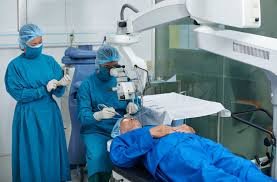
Cataracts are one of the most common causes of vision problems, particularly as people get older. They develop when the natural lens of the eye becomes cloudy, making everyday activities such as reading, driving, watching television, or recognizing faces more difficult. When cataracts begin to interfere with daily life, cataract surgery can offer an effective way to restore clearer vision. For people considering treatment in Pretoria, understanding how to prepare can make the experience more comfortable and predictable. Consulting an experienced ophthalmologist Pretoria patients can trust is an important first step toward receiving an appropriate assessment and treatment plan.
Understanding Cataracts and Their Symptoms
A cataract forms when proteins and other structures within the eye’s natural lens gradually change, causing the lens to lose its transparency. Cataracts usually develop slowly, so symptoms may initially be mild. Over time, however, cloudy vision can become increasingly noticeable.
Common symptoms include blurred or hazy vision, increased sensitivity to bright lights, glare around headlights, faded colours, difficulty seeing at night, and frequent changes in prescription glasses. Some people also experience double vision in one eye or find that reading becomes more challenging.
Not every cataract requires immediate surgery. During an eye examination, an ophthalmologist can determine how significantly the cataract is affecting vision and whether treatment is appropriate.
When Is Cataract Surgery Recommended?
Cataract surgery is generally considered when a cataract begins to interfere with a person’s quality of life or ability to perform normal activities. There is no universal age or specific level of visual acuity at which surgery becomes necessary. Instead, the decision is based on symptoms, eye health, lifestyle, and individual needs.
An ophthalmologist Pretoria residents visit for an assessment may discuss how vision problems affect work, driving, hobbies, reading, and independence. If the cataract is significantly affecting these areas, surgery may be recommended.
It is also important to understand that cataract surgery is not simply a cosmetic procedure. Clearer vision can improve confidence and make everyday activities easier, although the expected outcome depends on the overall health of the eye.
Schedule a Comprehensive Eye Examination
Before cataract treatment, patients normally undergo a detailed eye examination. This assessment helps the eye specialist understand the condition of the cataract and identify other factors that could influence the surgical plan.
The examination may include visual acuity testing, measurement of eye pressure, examination of the retina and optic nerve, and detailed assessment of the lens. Measurements of the eye may also be performed to help determine the appropriate intraocular lens implant.
Tell your eye specialist about previous eye conditions, surgeries, medications, allergies, and any changes in your vision. Providing complete information helps the medical team plan treatment safely.
Discuss Intraocular Lens Options
One of the important decisions before cataract surgery involves choosing an intraocular lens, commonly called an IOL. The cloudy natural lens is removed during surgery and replaced with an artificial lens.
Different IOL options can provide different approaches to vision correction. Depending on individual circumstances, patients may discuss monofocal, multifocal, extended-depth-of-focus, or other lens designs with their eye specialist.
The best option depends on factors such as existing prescription, lifestyle, expectations, eye health, and budget. A qualified ophthalmologist can explain the advantages and limitations of available choices rather than recommending the same lens for every patient.
Prepare for the Day of Surgery
Following the instructions provided by the surgical team is an important part of preparation. Patients may receive instructions concerning eating, drinking, medications, and eye drops before the procedure. These instructions can vary depending on the individual’s health and the type of anaesthesia being used.
Arrange transportation if the surgical team advises that you should not drive immediately after treatment. It is also helpful to arrange someone who can accompany you home and assist you if necessary.
Wear comfortable clothing and avoid applying cosmetics around the eyes on the day of surgery unless your medical team provides different instructions. Keep your identification, medical information, and any required documents available.
Understand What Happens During Cataract Surgery
Modern cataract surgery is usually performed using small-incision techniques. The cloudy natural lens is carefully removed and replaced with an artificial intraocular lens.
The procedure is commonly performed under local or topical anaesthesia, allowing the patient to remain awake while the eye is numbed. The surgical team monitors the patient throughout the procedure.
Although cataract surgery is generally considered highly successful, every surgical procedure has potential risks. Your ophthalmologist should explain the expected benefits, possible complications, recovery process, and alternative options before you provide consent.
Plan for Recovery
Preparing for recovery is just as important as preparing for surgery. Vision may not become perfectly clear immediately. Some patients notice improvement quickly, while others require more time for their vision to stabilize.
Your doctor may prescribe eye drops to help prevent infection and inflammation. Use these medications exactly as instructed and avoid stopping them without professional advice.
For a period after surgery, patients may be advised to avoid rubbing or pressing on the eye. Certain activities, swimming, heavy lifting, or strenuous exercise may also need to be restricted temporarily. Follow the specific instructions provided by your surgical team because recovery recommendations can differ between patients.
Recognize Warning Signs After Treatment
Although complications are uncommon, patients should know when to seek medical attention. Increasing eye pain, significant redness, sudden deterioration in vision, new flashes of light, a sudden increase in floaters, or a curtain-like shadow across the field of vision should be assessed urgently.
Do not assume that unusual symptoms are simply part of normal recovery. Contact your eye-care provider if something seems significantly different from the recovery instructions you received.
Make the Most of Your Consultation
A cataract consultation is an opportunity to ask questions and discuss expectations. Consider asking how advanced the cataract is, what type of surgery is recommended, which IOL options are suitable, what vision you may expect afterward, and how long recovery is likely to take.
You can also ask about follow-up appointments, medication requirements, possible risks, and activities that may need to be avoided during recovery. Understanding the process beforehand can reduce uncertainty and help you make informed decisions.
Choosing Cataract Care in Pretoria
Choosing the right eye-care professional is an important part of preparing for cataract treatment. Look for a qualified specialist who provides a thorough assessment, clearly explains treatment options, and takes time to understand your visual needs.
Cataract surgery has become an established procedure for improving vision affected by lens clouding. However, successful treatment begins with proper evaluation and realistic expectations. Working closely with an experienced ophthalmologist Pretoria patients can consult allows individual eye health, lifestyle requirements, and treatment goals to be considered.
Final Thoughts
Preparing for cataract surgery involves more than simply arranging a procedure. A comprehensive eye examination, discussion of lens options, careful review of medical history, preparation for the surgical day, and understanding of postoperative care can all contribute to a smoother experience.
If cataracts are interfering with your everyday vision, speaking with an appropriately qualified eye specialist can help you understand whether surgery is suitable. With proper assessment, informed decision-making, and appropriate follow-up care, cataract treatment can help many patients achieve clearer and more functional vision.