When you are preparing to kick off a new cloud-based project, selecting the right cloud infrastructure provider is only half the battle. Once you have chosen Microsoft Azure for its robust security, scalability, and global enterprise reach, you must tackle the next critical decision: determining which type of Azure account best fits your technical, operational, and financial needs. Navigating the diverse ecosystem of subscription models, billing agreements, and activation tiers can feel overwhelming, but making an informed choice upfront ensures your project runs smoothly without unexpected budgetary roadblocks or capability constraints.
Whether you are an independent developer testing a minimum viable product, a startup scaling up rapidly, or an enterprise architect planning a massive multi-region migration, understanding the nuances of various Azure account types is essential. In this guide, we will explore the core strategies, account categories, and evaluation criteria you need to make the best choice for your upcoming workload.
Understanding Your Project Requirements Before You Choose
Before diving into the marketplace to Buy Azure Account solutions or signing up for a standard tier, you need to conduct a thorough audit of your project specifications. Cloud requirements vary dramatically depending on the nature of your application, your team size, and your anticipated timeline. Neglecting this discovery phase often leads to purchasing overly restrictive plans or, conversely, over-provisioning resources that drain your capital prematurely.
Start by mapping out the expected workload lifecycle. Is your project a short-term proof-of-concept, a seasonal e-commerce platform with massive traffic spikes, or a mission-critical enterprise application requiring 99.99% uptime? Next, analyze your team structure. Will a single developer manage the infrastructure, or will you need granular role-based access control across multiple departments? Finally, review your compliance and security mandates. Certain industries—such as healthcare, finance, and government—require specific regulatory certifications that dictate how and where your cloud accounts must be established and managed.
Evaluating Different Azure Account Categories
Microsoft offers a wide array of subscription types tailored to different user personas and organizational models. When looking to Buy Azure Account options, you will generally encounter several distinct pathways. Familiarizing yourself with these options helps you align your financial strategy with your technical goals.
Free Accounts and Trial Tiers
For individuals, students, and developers testing the waters, Azure offers introductory options that provide a small monthly credit and access to popular services free of charge for a limited time. This is ideal for learning the platform, experimenting with architecture patterns, or building small test environments. However, these accounts come with strict spending caps and resource limitations, meaning they are completely unsuitable for production workloads or high-compute data processing tasks.
Pay-As-You-Go Subscriptions
The Pay-As-You-Go model is the most straightforward option for standard production projects without long-term commitment requirements. You are billed monthly based strictly on the resources you consume, offering ultimate flexibility. While there are no upfront costs, it is vital to implement robust cost management and budget alerts, as unmonitored resources can lead to shockingly high monthly invoices. This tier works exceptionally well for unpredictable workloads or projects in their early growth phases where scaling patterns are still unclear.
Enterprise Agreements and Cloud Solution Providers
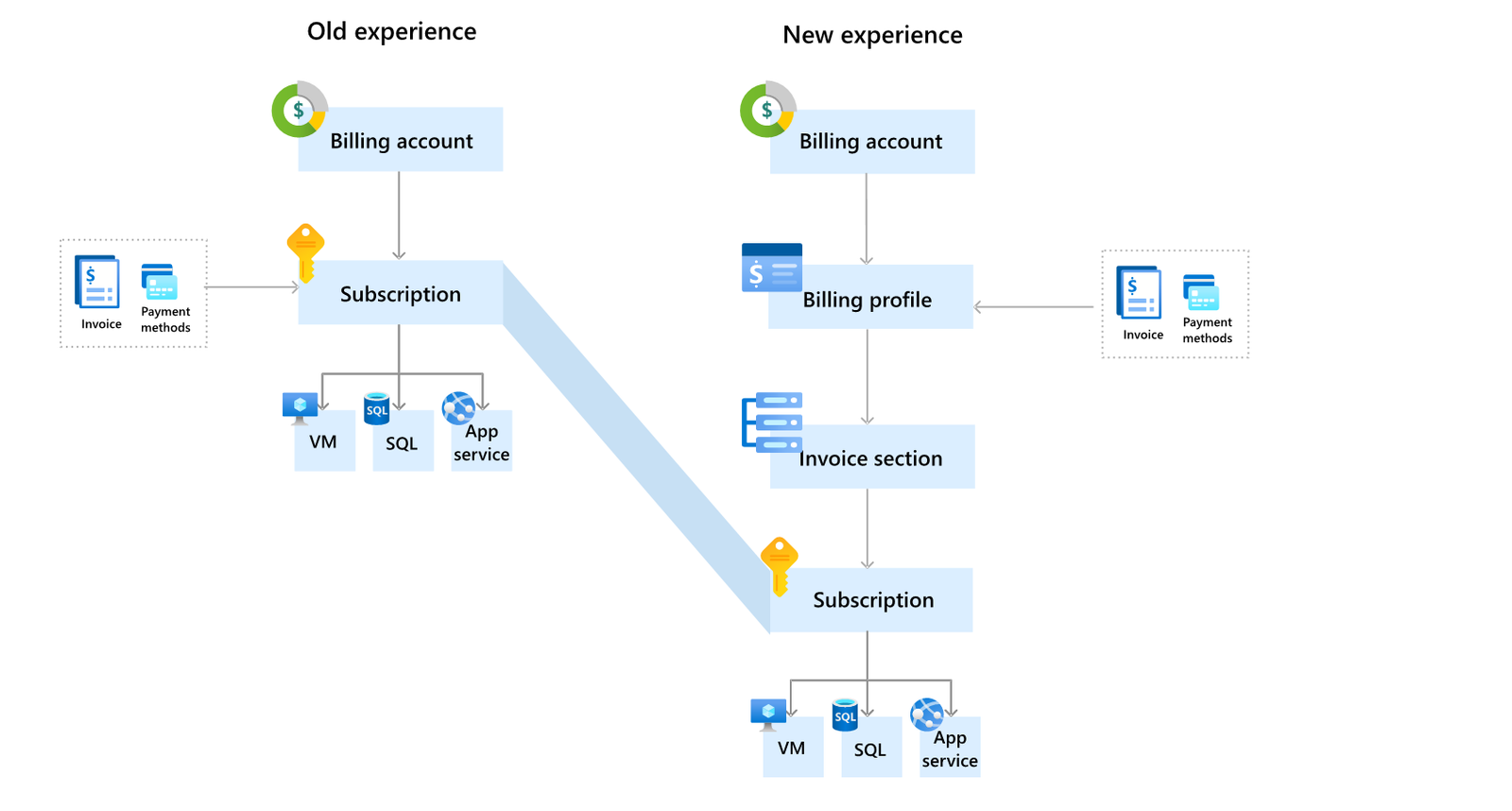
For larger organizations with predictable, high-volume cloud consumption, Enterprise Agreements or working through certified Cloud Solution Providers represent the most cost-effective path. When enterprises Buy Azure Account setups through these channels, they unlock significant volume discounts, dedicated support structures, and customized billing hierarchies. Cloud Solution Providers also offer personalized guidance, technical expertise, and managed services that make them an attractive choice for mid-sized businesses lacking a dedicated internal cloud operations team.
Financial Planning and Budget Optimization Tips
Choosing the right account is deeply intertwined with how you manage costs. Cloud financial management—often referred to as FinOps—is a critical discipline that should begin the moment you provision your Azure subscription. Without proactive governance, cloud bills can quickly spiral out of control.
To maximize your investment, investigate Microsoft’s reservation models and savings plans. If your project relies on virtual machines or database instances that will run continuously for one to three years, committing to a reserved instance can yield savings of up to seventy percent compared to standard Pay-As-You-Go rates. Additionally, take full advantage of Azure Cost Management and Billing tools to set up custom budgets, anomaly detection, and automated alerts. By assigning resource tags to different departments or project phases, you can pinpoint exactly where your capital is going and eliminate wasteful spending before it impacts your bottom line.
Security, Governance, and Compliance Considerations
Security should never be an afterthought when setting up your cloud infrastructure. The account type you select often dictates the level of administrative control, auditing capabilities, and security baselines available to your team. As cyber threats become increasingly sophisticated, establishing a secure foundation from day one is non-negotiable.
When configuring your account, ensure that you implement multi-factor authentication across all administrative logins. Utilize Azure Active Directory—now known as Microsoft Entra ID—to enforce the principle of least privilege, ensuring team members only have access to the specific resources required for their roles. Furthermore, if your project handles sensitive customer data or financial transactions, verify that your chosen subscription tier supports advanced security features such as Microsoft Defender for Cloud, automated threat detection, and rigorous compliance auditing tools to meet regional data privacy laws.
Making the Final Decision for Your Next Project
Selecting the ideal Azure account requires a careful balance of technical capability, financial foresight, and strategic planning. By thoroughly assessing your project requirements, understanding the available subscription tiers, prioritizing robust cost governance, and enforcing strict security controls, you set your initiative up for long-term success in the cloud. Take the time to evaluate your options thoughtfully, align your stakeholders, and choose an account foundation that scales seamlessly alongside your growing ambitions.