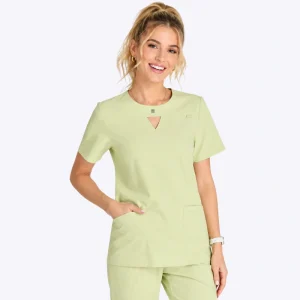
Healthcare professionals spend long, demanding hours on their feet, moving constantly through fast-paced environments. Their uniforms are far more than simple clothing—they are functional equipment. Because off-the-shelf options often fail to deliver the ideal balance of fit, comfort, and longevity, custom medical scrub manufacturing has become essential for healthcare facilities, boutique brands, and workwear providers looking to engineer superior medical apparel.
Developing scrubs that meet the daily demands of healthcare settings requires a deep understanding of textile science, ergonomic design, and specialized production processes.
The Role of Modern Textile Selection in Custom Medical Scrub Manufacturing
Fabric selection forms the cornerstone of high-performance workwear. Medical scrubs endure aggressive daily wear, frequent exposure to fluids, and rigorous laundering cycles. Choosing the right material blend dictates how well the scrub performs over time.
Fabric Blends for Performance and Comfort
Traditional cotton scrubs offer breathability, but they lack durability, wrinkle easily, and tend to hold moisture. Modern custom medical scrub manufacturing relies on strategic fiber blends to balance comfort with mechanical strength:
- Polyester-Cotton (Poly-Cotton): Combines the softness and breathability of cotton with the strength, color retention, and wrinkle resistance of polyester.
- Polyester-Rayon-Spandex: A premium tri-blend widely used in contemporary scrubs. Polyester provides durability, rayon adds a silky texture and moisture absorption, while spandex provides 4-way stretch for unrestricted mobility.
- Polyester-Spandex: Ideal for high-activity medical personnel requiring maximum flexibility, moisture-wicking capabilities, and fast-drying properties.
Advanced Textiles and Specialty Treatments
Workwear safety and hygiene extend beyond basic fabric composition. Fabric finishing treatments play a vital role in medical environments:
- Antimicrobial Coatings: Prevent the growth of odor-causing bacteria and fungi, keeping garments fresh throughout extended shifts.
- Fluid and Stain Resistance: Hydrophobic coatings repel liquids and fluids, preventing absorption and making stain removal effortless.
- Color Fastness and Bleach Resistance: Ensure scrubs maintain their professional appearance even after repeated industrial laundering with harsh disinfectants.
Ergonomic Design and Functional Pattern Engineering
Comfort in medical scrubs is directly linked to ergonomic design. A well-designed scrub top or pant accommodates natural body movements, such as bending, reaching, and squatting, without binding or pulling.
Ergonomic Fit and Freedom of Movement
In custom medical scrub manufacturing, garment pattern makers must design with active movement in mind. Key structural techniques include:
- Four-Way Stretch Integration: Incorporating stretch fabrics allows garments to move dynamically with the healthcare worker.
- Gusseted Inseams and Underarm Panels: Extra fabric inserts reduce tension points, preventing seam tears during full arm extension or deep bending.
- Tailored Silhouette Options: Offering unisex, modern fit, and oversized options ensures that every team member finds a flattering, comfortable fit.
Functional Storage and Utility
Pockets are critical functional components of medical workwear. Scrubs must securely hold essential tools such as stethoscope heads, pens, scissors, tablets, and personal items.
- Multi-Compartment Pockets: Layered pocket construction allows organization without adding bulk.
- Reinforced Pocket Openings: Double-stitched edges prevent sagging and tearing when carrying heavier instruments.
- Secure Fastenings: Zippered or magnetic closures keep sensitive personal items safe during high-activity tasks.
Manufacturing Techniques for Maximum Durability
Durability separates average scrubs from industrial-grade medical workwear. Custom manufacturing allows brands to implement heavy-duty construction standards that extend garment lifespan significantly.
Reinforcement Seams and Stitching
Weak seams are the primary failure point in workwear garments. High-quality custom medical scrub manufacturing addresses this through advanced sewing methods:
- Flatlock and Interlock Stitching: Create flat, smooth seams on the interior of the garment, eliminating skin chafing while maintaining strong tensile resistance.
- Double-Needle and Triple-Needle Stitching: Used along high-stress stress lines—such as shoulders, side seams, and inseams—to prevent seam separation.
- Bar-Tacking: Heavy-duty reinforced stitching applied at stress points like pocket corners, side slits, and belt loops.
Quality Fasteners and Hardware
Hardware components must withstand high heat, moisture, and repeated stress without rusting, snapping, or losing grip:
- Drawstrings and Waistbands: Elastic waistbands combined with durable drawstrings ensure a customizable, stay-in-place fit throughout the day.
- Corrosion-Resistant Hardware: Heavy-duty metal or high-grade plastic snaps, zippers, and eyelets ensure long-term functionality after industrial laundering.
Quality Assurance and Sizing Standards
Developing reliable workwear requires precise quality control measures from sample development to bulk manufacturing.
Comprehensive Sizing Inclusivity
Healthcare workforces represent diverse body types. A successful scrub lineup must provide consistent sizing from XS through 5XL, including tall and petite lengths. Pattern grading must maintain proportional balance across all sizes so that fit quality remains uniform.
Industrial Wash Testing and Fabric Quality Control
Before full-scale production begins, fabric batches undergo rigorous physical and chemical tests:
- Shrinkage Control: Pre-shrinking fabrics ensures garment dimensions remain stable after repeated hot water washing.
- Pilling Resistance: Testing fabric against friction prevents surface fuzzing and pilling over prolonged wear.
- Tensile Strength Testing: Verifying seam strength under heavy pull forces guarantees structural integrity under real-world stress.
Sustainability in Medical Apparel Manufacturing
Modern healthcare institutions increasingly prioritize sustainable sourcing and eco-friendly manufacturing practices. Custom medical scrub manufacturing has evolved to offer sustainable solutions without sacrificing durability or clinical standards.
- Recycled Polyester (rPET): Sourced from post-consumer plastic bottles, rPET reduces environmental waste while maintaining identical durability and strength to virgin polyester.
- Eco-Friendly Dyeing Techniques: Utilizing water-efficient, non-toxic dye processes lowers chemical runoff and minimizes environmental impact.
- Waste Reduction in Cutting: Computerized marker making maximizes fabric yields, drastically cutting textile scraps during mass production.
Building a Successful Custom Scrub Production Line
Partnering with an experienced apparel manufacturer allows businesses to turn functional concepts into market-ready products. By focusing on high-performance fabric blends, ergonomic styling, reinforced garment construction, and strict quality control, brands can develop scrubs that offer unmatched comfort and long-lasting durability.
Investing in high-standard custom medical scrub manufacturing ultimately results in medical apparel that empowers healthcare professionals to perform their best, shift after shift.