Introduction
Maintaining a safe and healthy property involves more than ordinary cleaning. Certain situations, including accidents, unattended deaths, sewage contamination, and other incidents involving potentially hazardous biological professional biohazard cleaning materials, require specialized knowledge and professional equipment. In these circumstances, professional biohazard cleaning plays an essential role in protecting property occupants, restoring affected environments, and reducing potential health risks.
Unlike routine housekeeping, biohazard decontamination involves carefully assessing contaminated areas, selecting appropriate cleaning methods, handling affected materials responsibly, and verifying that the environment is suitable for its intended use. Property owners, landlords, business operators, and facility managers may all benefit from understanding how specialized cleaning services support safe and effective property restoration.
Understanding Professional Biohazard Cleaning
Professional biohazard cleaning is a specialized service designed to address environments contaminated by biological materials that may present health risks. These materials can include blood, certain bodily fluids, sewage, and other potentially infectious substances. The nature of the contamination determines the precautions, cleaning methods, and disposal procedures required.
Ordinary cleaning products and household equipment are not always appropriate for these situations. Some contaminants may remain on surfaces, penetrate porous materials, or spread to surrounding areas if handled incorrectly. Professional technicians receive training to recognize these challenges and follow established safety procedures.
The objective is not simply to make a room look clean. It is to address contamination systematically, protect people from unnecessary exposure, and help restore the affected property to a safe and usable condition.
Why Specialized Decontamination Is Important
Biological contamination can create concerns that are not immediately visible. Even when a surface appears clean, potentially harmful material may remain in affected areas. Inappropriate cleaning practices can also spread contamination beyond its original location.
Professional biohazard cleaning helps manage these concerns through a structured process. Trained technicians assess the affected environment, identify materials that require special attention, and determine the appropriate response.
Specialized decontamination is particularly important in residential properties, healthcare environments, commercial buildings, rental units, and public facilities. Each setting has different requirements, and cleaning decisions must reflect the property’s use, the type of contamination, and applicable safety regulations.
By addressing contamination appropriately, professional services can help reduce health risks, prevent avoidable property damage, and support a more reliable restoration process.
Situations That May Require Biohazard Cleaning
Several circumstances can create a need for professional decontamination. Understanding these situations helps property owners recognize when ordinary cleaning is insufficient.
Trauma and Accident Scenes
Accidents and traumatic incidents can leave biological contamination that requires careful handling. Once emergency responders have completed their work and authorities have released the property, specialized cleaning professionals may be needed to address affected areas.
Their role is to manage the cleaning and decontamination process respectfully while protecting the safety and privacy of everyone involved.
Unattended Deaths
When a death is discovered after an extended period, the affected property may require specialized cleaning because of biological contamination, odors, and possible damage to building materials.
Professional technicians assess the conditions and determine which surfaces or materials can be cleaned and which may require removal. Their work helps prepare the property for appropriate restoration.
Sewage Backups and Waste Contamination
Sewage incidents can introduce microorganisms and contaminated water into floors, walls, furniture, and other building components. Because the contamination may extend beyond visible areas, professional assessment is often necessary.
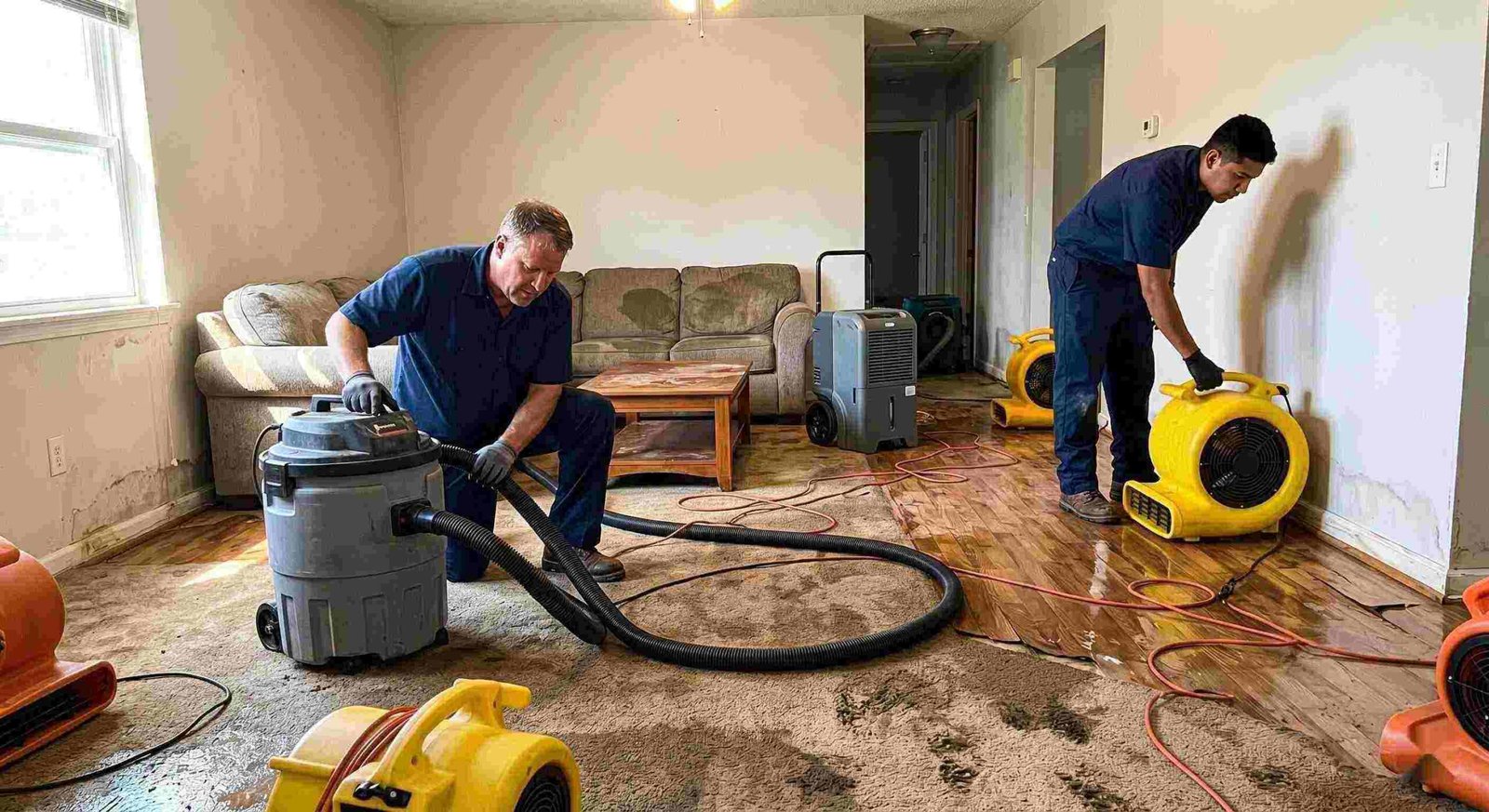
A qualified restoration provider can coordinate appropriate cleaning, drying, material removal, and follow-up work according to the extent of the damage.
Other Biological Contamination
Some commercial and residential environments may experience contamination involving biological waste or other potentially infectious materials. In such cases, trained professionals can identify the appropriate precautions and develop a suitable decontamination plan.
The Professional Biohazard Cleaning Process
A reliable biohazard cleaning service follows a planned approach rather than relying on general cleaning methods. Although procedures vary depending on the situation, several important stages are commonly involved.
Initial Assessment and Planning
The process begins with an evaluation of the affected property. Technicians consider the type and extent of contamination, the materials involved, accessibility, and potential exposure risks.
This assessment helps establish the necessary safety measures, equipment requirements, cleaning methods, and waste-handling arrangements. A clear plan also helps property owners understand the expected scope of work.
Establishing Appropriate Safety Measures
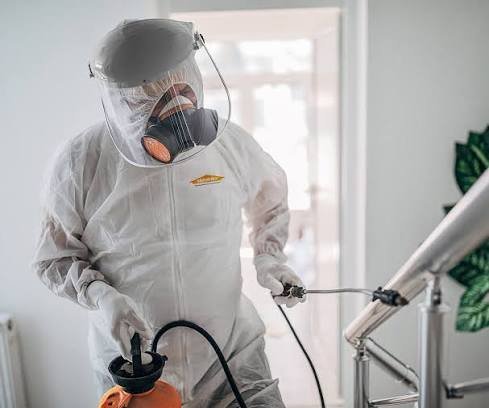
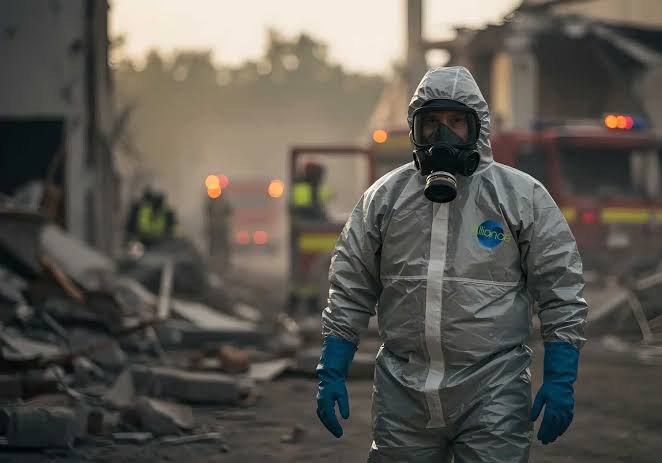
Before cleaning begins, professionals establish suitable controls to limit unnecessary exposure and prevent contamination from spreading. These measures may include restricting access to affected areas, selecting appropriate personal protective equipment, and separating contaminated materials from unaffected spaces.
The precautions used depend on the hazards identified during the assessment and the relevant industry guidance.
Cleaning and Decontamination
The cleaning stage involves removing contamination and treating suitable surfaces with appropriate products and methods. Professionals select products according to the contaminant, surface material, and manufacturer’s instructions.
Some materials cannot be safely restored and may need to be removed by qualified personnel. Decisions about removal are based on the extent of contamination and the possibility of effective cleaning.
Waste Handling and Disposal
Contaminated waste must be handled, packaged, transported, and disposed of in accordance with applicable regulations. Improper disposal can expose other people to hazards and create additional environmental concerns.
Professional service providers understand the importance of using appropriate procedures and working with authorized waste-management facilities when required.
Final Review and Restoration
After decontamination, technicians review the completed work to determine whether the agreed scope has been addressed. Depending on the situation, additional assessment, testing, drying, repairs, or restoration may be necessary.
The goal is to help return the property to a condition appropriate for its intended use, while documenting relevant work and identifying any remaining concerns.
Protecting Different Types of Properties
Professional biohazard cleaning supports a wide range of property types. In residential homes, the service can help families and property owners address contamination while reducing the burden of managing a difficult situation.
Landlords and property managers may require specialized cleaning before a rental unit can be prepared for future occupants. Commercial property owners may also need decontamination services to address safety concerns and plan the responsible reopening of affected spaces.
Healthcare facilities, care homes, and other sensitive environments may have additional infection-control requirements. In these settings, coordination with facility management and relevant safety personnel is especially important.
Regardless of the setting, effective cleaning begins with an accurate assessment and a response tailored to the specific conditions.
Benefits of Hiring Qualified Professionals
One of the main benefits of professional biohazard cleaning is access to specialized training and appropriate equipment. Technicians understand that different contaminants and building materials require different approaches.
Another advantage is reduced exposure to potentially hazardous substances. Attempting to clean serious biological contamination without suitable training can increase the risk of contact with harmful materials or spread contamination to other areas.
Professional services can also save property owners time by coordinating assessment, cleaning, waste handling, and restoration-related activities. Clear communication about the scope of work helps owners make informed decisions and organize any necessary repairs.
Equally important is the respectful handling of sensitive situations. Experienced professionals understand that trauma-related cleaning may occur during an emotionally difficult period. Discretion, compassion, and dependable communication can make the process easier for affected families and property representatives.
Choosing the Right Biohazard Cleaning Company
Selecting a qualified provider is an important part of protecting a property. Property owners should look for a company with relevant training, appropriate insurance, documented safety procedures, and experience handling the specific type of contamination involved.
It is also advisable to ask about waste-disposal practices, the products and methods used, the expected scope of work, and any limitations on the services provided. A reputable company should explain its procedures clearly rather than making unsupported guarantees.
Customers should also confirm whether the provider can coordinate with restoration contractors when damaged flooring, drywall, insulation, or other building materials require repair or replacement.
Before authorizing the work, property owners should request a written estimate and clarify any additional costs that may arise if the contamination extends beyond the initially identified area.
Conclusion
Professional biohazard cleaning is an essential service for properties affected by biological contamination. Through careful assessment, appropriate safety precautions, specialized decontamination, and responsible waste management, qualified technicians help protect occupants and support the restoration of affected environments.
Whether the situation involves a residential property, a commercial facility, sewage contamination, or a trauma-related incident, the right professional response can reduce unnecessary risks and simplify a challenging restoration process.
For property owners and managers, choosing an experienced and properly equipped biohazard cleaning company is a practical step toward maintaining safer environments. By prioritizing professional standards, regulatory compliance, and thorough restoration planning, they can protect their properties while ensuring that sensitive situations are handled with care and responsibility.