In modern homes, offices, classrooms, hotels, and shared workspaces, people often rely on several electronic devices throughout the day. Smartphones, tablets, laptops, wireless earbuds, smartwatches, cameras, and other portable electronics all require regular charging. Managing multiple chargers and power adapters can quickly become inconvenient, especially when outlets are limited. A well-designed charging station can solve this problem by providing an organized and efficient place to power several devices at once.
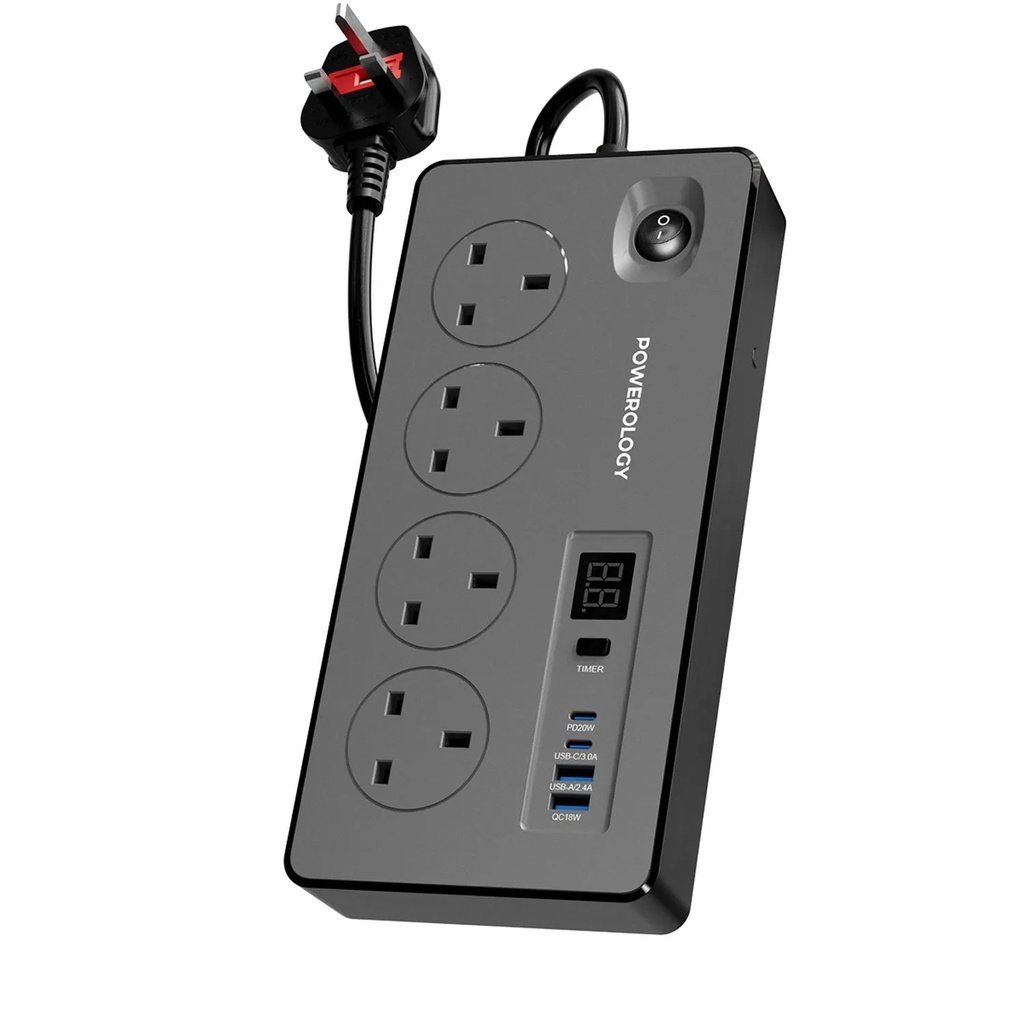
One of the most useful solutions is a Power Strip With Usb-C Pd, which combines multiple power outlets with modern USB-C Power Delivery technology. This type of charging solution can reduce cable clutter, improve convenience, and support faster charging for compatible devices. However, not every charging station offers the same features. Understanding the most important characteristics can help users choose a reliable option for their daily needs.
Multiple Charging Ports
The primary purpose of a charging station is to support several devices simultaneously. A good model should provide enough charging ports for the number of devices commonly used in a household or workspace.
USB-A ports can remain useful for older cables and accessories, while USB-C ports provide compatibility with newer electronics. A combination of both allows users to charge different generations of devices without constantly switching adapters.
For families or shared workspaces, having several charging ports can make a significant difference. Instead of searching for available wall outlets, users can connect multiple devices to one central location.
USB-C Power Delivery Support
USB-C Power Delivery is one of the most important features to consider in a modern charging station. It allows compatible devices to receive higher levels of power than many traditional USB charging connections.
A Power Strip With Usb-C Pd can be especially useful for people who regularly charge smartphones, tablets, portable gaming devices, and some laptops. Power Delivery can intelligently negotiate the appropriate power level between the charger and compatible device, helping provide efficient charging.
This technology also makes a charging station more versatile because USB-C has become increasingly common across modern electronics. Users can reduce their dependence on separate charging bricks while keeping their devices powered from one central location.
Adequate Power Capacity
Having many ports does not automatically mean that a charging station can deliver maximum power to every connected device simultaneously. Overall power capacity is therefore an important consideration.
A quality charging station should clearly indicate its total power output and the limits of individual ports. This information helps users understand what types of devices can be charged together.
For example, a station intended for smartphones and small accessories may require less power than one designed to charge laptops, tablets, and other high-demand electronics. Choosing a model with sufficient capacity can provide better performance and prevent disappointment when multiple devices are connected.
Built-In Surge Protection
Electrical fluctuations and sudden voltage spikes can potentially damage sensitive electronics. Surge protection is therefore an important feature for any charging station used with valuable devices.
A charging station with built-in surge protection can help protect connected equipment from certain electrical surges. This is particularly useful in areas where power fluctuations occur or where many expensive electronics are connected in one location.
Users should look for clearly stated safety specifications rather than assuming every power strip automatically provides the same level of protection.
Overcurrent and Overheating Protection
Safety features extend beyond surge protection. A dependable charging station should also include safeguards against conditions such as excessive current and overheating.
Overcurrent protection can help reduce risks when connected devices draw more power than expected. Thermal protection can monitor internal temperatures and respond when heat levels become excessive.
These features are especially important when several devices are charging simultaneously. A charging station should be designed to manage its electrical load safely during regular operation.
Compact and Organized Design
A charging station should make device charging easier, not create another source of clutter. Its physical design is therefore an important part of its usefulness.
A compact unit can occupy less desk or countertop space while still providing several charging connections. Some models include dedicated spaces for smartphones, tablets, or other devices, helping keep everything organized.
Cable management is another valuable feature. Ports positioned in a logical arrangement can make it easier to route charging cables without creating a tangled collection of wires.
Fast Charging Compatibility
Fast charging can save considerable time for users who depend on their devices throughout the day. A modern charging station should support appropriate fast-charging technologies for compatible electronics.
USB-C Power Delivery is particularly useful because many newer devices can take advantage of higher charging speeds. However, charging speed depends on the device, cable, charger specifications, and available power.
Consumers should therefore check the charging requirements of their devices before selecting a station. A station with suitable power output and compatible protocols can provide a more efficient charging experience.
Convenient Placement
The best charging station is one that can be positioned where devices are commonly used. A bedside table, office desk, kitchen counter, entertainment center, or conference room can all be suitable locations.
Placement also affects cable accessibility. Ports should be easy to reach without forcing users to stretch cables across a workspace.
Some charging stations are designed for desktop use, while others can be mounted or positioned in compact spaces. Choosing the appropriate design for the intended environment can improve everyday convenience.
Durable Construction
A charging station may be used every day, sometimes for several hours at a time. Durable construction is therefore another important feature.
Strong materials, reliable switches, secure connections, and quality internal components can contribute to longer service life. The housing should also be designed to withstand normal handling without becoming loose or unstable.
Durability is especially valuable in offices, schools, hotels, and other shared environments where charging equipment may experience frequent use.
Easy-to-Use Design
A charging station should be straightforward to operate. Clearly arranged ports and easily identifiable connections allow users to plug in their devices without confusion.
Some models also include indicator lights that show whether the unit is receiving power or whether a particular charging function is active. While these features may seem minor, they can make everyday use more convenient.
A simple design can also reduce unnecessary cable movement and make it easier for multiple people to use the station at the same time.
Why a Multi-Device Charging Station Is Useful
The biggest advantage of a dedicated charging station is organization. Instead of using several wall adapters and occupying multiple electrical outlets, users can centralize their charging needs.
A Power Strip With Usb-C Pd can provide an especially practical combination of traditional AC outlets and modern USB charging. This makes it possible to support different types of devices from one location.
For households, this can help reduce nighttime cable clutter. In offices, it can create a convenient charging area for employees. In shared spaces, it can provide a simple solution for visitors who need to recharge their devices.
Choosing the Right Charging Station
Before purchasing a charging station, users should consider the number and types of devices they regularly charge. They should also check USB-C Power Delivery output, total wattage, port configuration, surge protection, safety features, size, and cable management.
It is equally important to choose a product from a reputable manufacturer that provides clear electrical specifications and safety information. The right charging station should match both the user’s current requirements and likely future needs.
Conclusion
A modern charging station should offer more than multiple outlets. The most useful models combine sufficient power capacity, USB-C Power Delivery, multiple charging ports, safety protection, durable construction, compact organization, and convenient usability.
For users managing several modern electronics, a Power Strip With Usb-C Pd can be a practical and versatile solution. By bringing multiple charging options together in one organized location, it can simplify everyday device management while reducing cable clutter. Selecting a charging station with the right combination of power, compatibility, safety, and design can make charging more efficient and convenient for almost any environment.