






Maximizing Productivity: Why Contractors Should Invest in GPS Tracking Technology
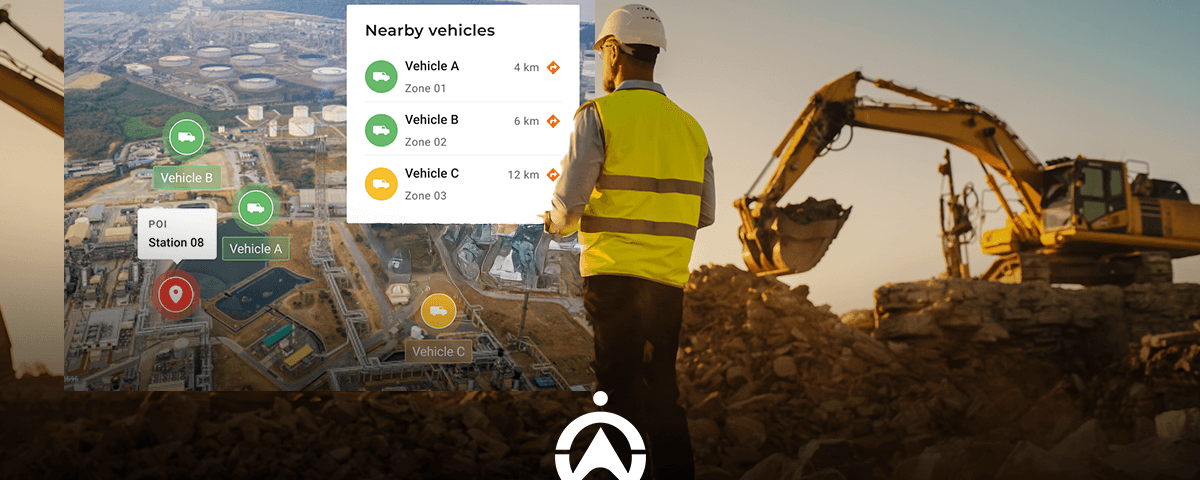
In today’s fast-paced construction and contracting industry, efficiency and productivity are more important than ever. Contractors face tight deadlines, rising labor costs, and increasing client demands, all of which make it essential to utilize tools that streamline operations. One such tool that has gained significant traction is GPS tracking technology. GPS tracking for contractors is not just a trend—it is becoming a necessity for businesses seeking to maximize productivity, reduce costs, and maintain a competitive edge.
Enhancing Workforce Efficiency
One of the primary advantages of GPS tracking for contractors is the ability to monitor employee movements and project timelines accurately. By having a real-time view of where workers and vehicles are located, managers can assign tasks more effectively and ensure that teams are utilized efficiently. For example, if a crew finishes one job early, the GPS system can quickly direct them to the next site without delays. This reduces downtime, improves project flow, and helps contractors meet tight schedules consistently.
Moreover, GPS tracking allows for accountability within the workforce. When employees know their location and productivity are being monitored, there is a natural incentive to stay focused and complete tasks on time. This leads to higher efficiency and reduces wasted labor hours.
Optimizing Fleet Management
Contractors often manage a fleet of vehicles and heavy equipment, which can be costly if not tracked and maintained properly. GPS tracking for contractors provides real-time data on vehicle locations, routes, and usage patterns. This information can help in planning more efficient routes, reducing fuel consumption, and minimizing wear and tear on vehicles.
Additionally, GPS technology can alert managers to unauthorized use of vehicles or equipment, preventing misuse and potential losses. This level of oversight ensures that assets are being used responsibly and helps contractors save on maintenance and operational costs.
Reducing Operational Costs
Investing in GPS tracking technology can result in significant cost savings for contractors. By monitoring fuel usage, idle times, and route efficiency, contractors can make data-driven decisions that reduce unnecessary expenses. For example, GPS data can reveal that certain routes are consistently causing delays or consuming excess fuel. By adjusting these routes or schedules, businesses can lower operating costs without sacrificing productivity.
Furthermore, GPS tracking minimizes the risk of lost or stolen equipment. By knowing the exact location of valuable tools and machinery at all times, contractors can prevent theft and quickly recover assets if they go missing. This reduces replacement costs and enhances overall financial management.
Improving Project Planning and Scheduling
GPS tracking for contractors is not limited to monitoring vehicles and employees—it also provides valuable insights for project planning and scheduling. By analyzing historical GPS data, contractors can identify patterns in job completion times, employee efficiency, and equipment utilization. This data can then be used to plan future projects more accurately, allocate resources wisely, and predict potential bottlenecks.
Accurate scheduling not only improves productivity but also enhances client satisfaction. Projects are more likely to be completed on time and within budget, leading to stronger client relationships and repeat business.
Ensuring Safety and Compliance
Safety is a top priority for contractors, and GPS tracking technology can play a crucial role in maintaining it. GPS systems can monitor vehicle speeds, driver behavior, and equipment operation, helping to reduce accidents and unsafe practices. Alerts can be set for overspeeding or entering restricted zones, allowing managers to address potential safety risks immediately.
Additionally, GPS tracking helps contractors comply with industry regulations. Many projects require detailed records of employee work hours, vehicle usage, and site visits. GPS systems automatically record this data, simplifying compliance reporting and reducing administrative burden.
Enhancing Communication and Coordination
Effective communication is essential for contractors managing multiple job sites. GPS tracking for contractors enables seamless coordination between teams, managers, and clients. With real-time location data, managers can quickly dispatch workers to urgent tasks, respond to site issues, and provide accurate updates to clients.
This level of transparency improves collaboration and minimizes misunderstandings or delays. Contractors can ensure that resources are allocated where they are needed most, keeping projects on track and maintaining a high level of service quality.
Leveraging Data for Strategic Decisions
The data collected through GPS tracking systems goes beyond day-to-day operations. Contractors can use this information for strategic decision-making, identifying trends in project performance, workforce efficiency, and equipment utilization. For instance, GPS data might reveal which employees consistently perform well on specific types of projects or which equipment models offer the best productivity.
By leveraging these insights, contractors can make informed decisions on staffing, equipment purchases, and project strategies, ultimately increasing profitability and long-term success.
Selecting the Right GPS Tracking Solution
Not all GPS tracking systems are created equal, and choosing the right one is crucial for maximizing benefits. Contractors should look for systems that offer real-time tracking, historical reporting, mobile accessibility, and integration with existing project management tools. User-friendly interfaces and reliable customer support are also important factors to ensure smooth implementation and adoption by the team.
Additionally, some GPS tracking systems offer specialized features for contractors, such as geofencing, automated alerts, and equipment usage monitoring. Investing in a solution tailored to the construction industry can provide a higher return on investment and greater overall productivity.
Conclusion
In the competitive world of contracting, efficiency, cost management, and safety are critical for success. GPS tracking for contractors addresses all these needs by providing real-time visibility into workforce, fleet, and equipment operations. It enhances productivity, reduces operational costs, improves project planning, and strengthens client trust.
By investing in GPS tracking technology, contractors not only optimize their day-to-day operations but also gain valuable insights for long-term strategic growth. The ability to track, analyze, and act on real-time data transforms how contractors manage projects, making them more agile, efficient, and profitable. For contractors aiming to stay ahead in an increasingly demanding industry, GPS tracking is no longer just an option—it is a game-changing investment.