




Bodykits vs. Individual Exterior Mods: Which Is Right for You?
When it comes to customizing a vehicle, exterior styling is one of the first areas enthusiasts consider. A customized exterior can give a car a more aggressive, sporty, luxurious, or unique bodykits appearance. Two popular approaches are installing complete bodykits or choosing individual exterior modifications. Both options can transform a vehicle, but the right choice depends on your budget, goals, preferred style, and willingness to invest time in the project.
Understanding the differences between these approaches can help you make a smarter decision before purchasing parts. Whether you want a dramatic transformation or simply want to enhance certain areas of your car, there are plenty of ways to create a look that reflects your personality.
What Are Bodykits?
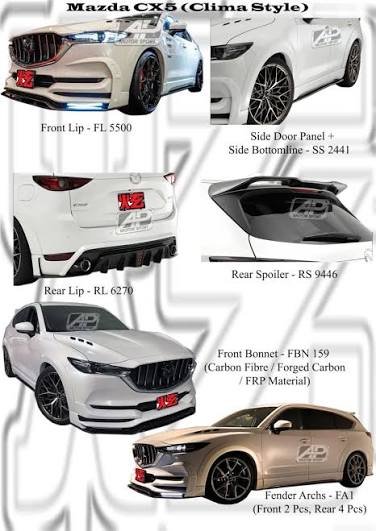
Bodykits are collections of exterior components designed to work together as a complete styling package. Depending on the design, a bodykit may include front bumpers, rear bumpers, side skirts, front lips, rear diffusers, fender extensions, spoilers, and other complementary components.
The main advantage of a bodykit is visual consistency. Instead of selecting individual parts from different manufacturers or designs, you receive components that are intended to create one coordinated appearance. Many bodykits are designed around specific vehicle models, helping maintain a balanced look across the entire exterior.
Bodykits are available in many styles. Some are subtle and improve the factory appearance, while others provide a wide, aggressive, or race-inspired transformation. Materials can also vary, including fiberglass, polyurethane, ABS plastic, carbon fiber, and other composites.
What Are Individual Exterior Mods?
Individual exterior modifications involve upgrading specific parts of a vehicle rather than installing a complete styling package. This approach allows owners to make changes gradually and focus on areas they believe need improvement.
Popular individual modifications include front splitters, rear spoilers, side skirts, grilles, custom wheels, fender flares, diffusers, window accessories, mirror covers, and replacement bumpers. Even smaller additions can make a noticeable difference when selected carefully.
This approach is especially useful for drivers who already like their car’s original design but want to make it more distinctive. Instead of changing everything at once, they can upgrade one component at a time.
Comparing Overall Appearance
One of the biggest differences between bodykits and individual modifications is the overall visual impact.
A complete bodykit can dramatically change the character of a vehicle. Matching components create a unified appearance, making the car look intentionally designed rather than simply modified. This can be ideal for owners who want their vehicle to stand out at shows, events, or on the road.
Individual mods offer more flexibility. You can select parts based on your personal preferences and create a customized combination. However, combining components from different brands or design styles requires careful planning. Poorly matched parts can make the exterior appear inconsistent.
For a cohesive transformation, bodykits often have an advantage. For gradual personalization, individual mods can be the better choice.
Budget and Installation Considerations
Budget is another important factor. A complete bodykit can require a larger initial investment because you are purchasing multiple components at once. Installation may also involve professional fitting, preparation, painting, and alignment.
Individual modifications can be easier to manage financially. You might install a front lip today, add side skirts later, and eventually upgrade the rear of the vehicle. This allows you to spread expenses over time.
However, buying parts separately does not always guarantee a lower overall cost. If you eventually purchase many individual components, the combined price of parts, paint, and installation can become similar to or even higher than a complete bodykit.
Installation requirements should also be considered. Some components can be installed relatively easily, while others require professional bodywork. Proper fitment is essential because exterior parts that do not align correctly can affect both appearance and durability.
Customization and Personal Style
Individual exterior modifications provide excellent freedom for experimentation. You can mix subtle and aggressive features according to your taste. For example, an owner might keep the original bumpers while adding new wheels, a rear spoiler, a front splitter, and side skirts.
Bodykits can also offer customization, but the overall design is usually more predetermined. If you find a kit that perfectly matches your preferred style, this can be a major advantage. If you want something completely different, individual components may provide greater creative control.
Before purchasing anything, consider the overall theme you want. A clean OEM-inspired design requires different parts than an aggressive motorsport-inspired build.
Fitment and Vehicle Compatibility
Fitment is one of the most important considerations when purchasing exterior components. Parts should be designed for the correct vehicle model, generation, trim, and sometimes even production year.
A quality bodykit designed specifically for your vehicle can make the planning process easier because the components are developed around the same body shape. Nevertheless, professional installation may still be necessary to achieve proper alignment.
With individual mods, compatibility needs to be checked separately for every component. A spoiler may fit one trim level while a bumper accessory may require another version. Checking specifications before ordering can prevent unnecessary problems.
Quality and Materials Matter
Whether you choose bodykits or individual parts, quality should be a major priority. Exterior components are exposed to weather, road debris, temperature changes, and everyday driving conditions.
Different materials provide different advantages. Fiberglass can allow detailed designs but may require careful installation and finishing. ABS and polyurethane components are often valued for flexibility and durability. Carbon fiber is popular for its distinctive appearance and lightweight characteristics, although it can be more expensive.
Always consider the material, construction quality, mounting method, and reputation of the manufacturer before making a purchase.
Which Option Is Better for Daily Drivers?
For a daily-driven vehicle, the best option depends on how much change you want.
If you want a dramatic transformation and are comfortable investing in professional installation, a complete bodykit can create a distinctive appearance. However, choosing a practical design is important because extremely low or wide components may be less convenient for everyday driving.
Individual modifications can be a practical choice for daily drivers. Small upgrades allow you to improve the appearance without significantly changing the vehicle’s original practicality. A front lip, spoiler, grille, wheels, or side skirts can provide noticeable styling improvements while maintaining a relatively factory-friendly appearance.
Which Option Is Better for Car Enthusiasts?
Enthusiasts who enjoy major automotive projects may prefer complete bodykits. A bodykit can serve as the foundation for a larger build and provide a strong visual identity.
Individual mods are ideal for enthusiasts who enjoy creating something unique. Instead of following a predetermined design, you can select individual components and develop your own combination.
The best approach is ultimately the one that matches your vision. There is no universal answer because every vehicle project has different priorities.
Making the Final Decision
Before choosing between bodykits and individual exterior mods, consider four key factors: budget, desired appearance, installation requirements, and long-term plans.
Choose a bodykit if you want a coordinated transformation, prefer a specific complete design, and are ready to invest in professional fitting and finishing. Choose individual modifications if you want greater flexibility, prefer gradual upgrades, or only want to change certain parts of your vehicle.
It is also possible to combine both approaches. Some owners start with a bodykit and later add custom wheels, lighting, spoilers, or other accessories. Others use individual parts to create a style inspired by a complete kit.
Build a Look That Fits Your Vehicle
Vehicle customization is ultimately about creating a design that suits both the car and its owner. Bodykits can deliver a powerful, unified transformation, while individual exterior modifications offer flexibility and creative freedom.
Before buying parts, research compatibility, materials, installation requirements, and the overall appearance you want to achieve. Take time to compare different designs and think about how each component will work with the rest of the vehicle.
Whether you choose a complete bodykit or a collection of individual upgrades, quality parts and proper installation can make a significant difference. With careful planning, your vehicle can achieve a distinctive exterior that looks purposeful, balanced, and personalized.