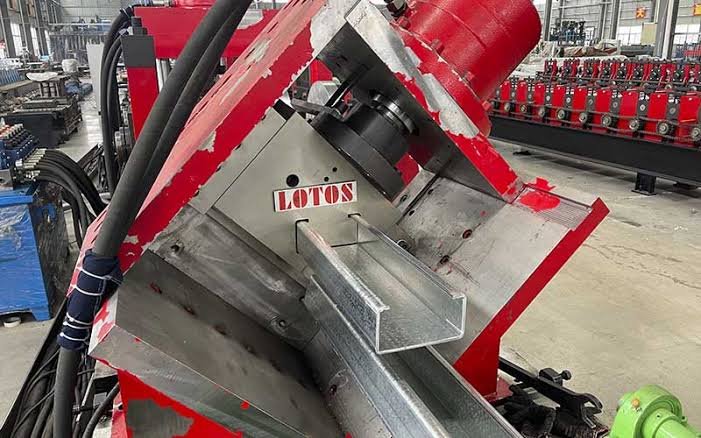
The construction industry is continuously evolving as builders, contractors, and manufacturers look for more efficient, durable, and cost-effective roofing solutions. Metal roofing has become increasingly popular because of its strength, long service life, weather resistance, and modern appearance. Among the different metal roofing systems available today, standing seam roofing has gained significant attention for its clean design and reliable performance. The growing demand for these roofing systems has also increased the importance of advanced manufacturing equipment. Standing seam roll formers are changing modern metal roofing production by improving manufacturing speed, product consistency, customization, and overall operational efficiency.
Understanding Standing Seam Roll Formers
Standing seam roll formers are specialized machines designed to transform flat metal coils into roofing panels with raised vertical seams. These seams connect adjacent panels while creating a secure and attractive roofing surface. Unlike traditional roofing materials that may require visible fasteners, standing seam systems often use concealed fastening methods that help improve weather protection and appearance.
The machines operate through a series of precisely positioned rollers that gradually shape metal sheets into the required profile. Depending on the equipment design, manufacturers can produce panels in different widths, lengths, and seam configurations.
Modern standing seam roll formers are commonly equipped with automated controls, adjustable settings, and precision cutting systems. These features allow manufacturers to produce roofing panels according to specific project requirements while maintaining consistent quality.
Improving Metal Roofing Production Speed
Production speed is one of the biggest advantages of modern standing seam roll formers. Traditional metal forming methods may involve several manual operations, increasing manufacturing time and labor requirements. Advanced roll forming technology combines multiple production stages into a continuous process.
Once the metal coil is loaded into the machine, it passes through different roller stations that gradually create the desired roofing profile. Automated cutting systems can then cut panels to predetermined lengths.
This streamlined process reduces unnecessary handling and allows manufacturers to complete larger orders more efficiently. Faster production is particularly valuable for businesses handling commercial buildings, industrial facilities, warehouses, and residential roofing projects.
By increasing output without sacrificing accuracy, standing seam roll formers help manufacturers meet tight delivery schedules and respond more effectively to changing customer demands.
Enhancing Product Quality and Consistency
Quality consistency is essential in metal roofing production because even small differences in panel dimensions or seam shapes can create installation difficulties. Advanced standing seam roll formers address this challenge through precise mechanical engineering and automated production controls.
The rollers are designed to apply controlled pressure as metal passes through each forming station. This gradual shaping process helps maintain uniform panel dimensions and reduces the possibility of unwanted deformation.
Consistent panel profiles also improve the connection between adjacent roofing sections. Properly formed seams contribute to better installation results and help roofing systems perform reliably under different environmental conditions.
For manufacturers, consistent production quality reduces material waste, minimizes rejected products, and strengthens customer confidence. It also allows businesses to maintain professional manufacturing standards across large production batches.
Supporting Customized Roofing Designs
Modern construction projects frequently require roofing materials that match specific architectural designs. Standard roofing profiles may not satisfy every building requirement, particularly when projects involve unusual dimensions, specialized seam heights, or unique appearances.
Standing seam roll formers provide manufacturers with greater flexibility to produce customized roofing panels. Depending on the machine configuration, operators can adjust panel dimensions, forming specifications, and cutting lengths.
This flexibility makes it easier to serve different market segments, including residential construction, commercial developments, agricultural buildings, and industrial facilities.
Customized production also creates opportunities for manufacturers to offer additional services. Businesses can provide roofing panels designed around project drawings, building dimensions, and customer preferences.
As architectural trends continue to change, equipment capable of supporting flexible production will remain valuable for metal roofing manufacturers.
Reducing Material Waste and Operating Costs
Material efficiency is another important reason why standing seam roll formers are transforming roofing production. Metal coils represent a significant investment for manufacturers, making it essential to use raw materials effectively.
Modern machines improve material utilization through accurate feeding, controlled forming, and precise cutting operations. When panel lengths and production settings are properly configured, manufacturers can reduce unnecessary material consumption.
Automated systems can also minimize errors associated with manual measurements and repeated adjustments. This helps lower the number of defective panels and reduces the need for costly rework.
Although advanced roll forming equipment may require a considerable initial investment, its long-term benefits can make it financially attractive. Reduced labor requirements, improved production speed, and lower material waste can contribute to better operating efficiency.
The Role of Automation in Modern Roofing Manufacturing
Automation has become an important part of industrial manufacturing, and metal roofing production is no exception. Modern standing seam roll formers increasingly incorporate digital controls that simplify machine operation and improve production accuracy.
Operators can use control panels to configure production settings, monitor machine performance, and manage cutting operations. Some systems also include programmable logic controllers that coordinate different manufacturing stages.
Automation reduces dependence on repetitive manual tasks while helping maintain consistent operating conditions. It can also improve workplace productivity by allowing operators to supervise production instead of performing every operation manually.
For growing manufacturing businesses, automated roll forming equipment offers an opportunity to increase production capacity while maintaining better control over manufacturing processes.
Understanding the Importance of Related Roll Forming Equipment
Standing seam roll formers are designed specifically for producing standing seam roofing panels, but other roll forming machines also play an important role in the construction industry.
For example, a CZ purlin roll forming machine manufactures structural purlins used to support roofing and wall systems in industrial buildings, warehouses, factories, and agricultural structures.
Although these machines serve different purposes, both technologies demonstrate how roll forming improves the manufacturing of construction materials. Standing seam equipment produces exterior roofing panels, while CZ purlin machinery creates structural components that support building frameworks.
Manufacturers involved in the construction materials industry may benefit from understanding both technologies. Selecting suitable equipment allows businesses to expand their product offerings and serve a wider range of construction requirements.
Improving Installation Efficiency for Roofing Contractors
The advantages of standing seam roll formers extend beyond manufacturing facilities. Their impact can also be seen during roofing installation.
Precisely manufactured panels are generally easier to align and connect than inconsistent roofing sections. Accurate dimensions help contractors reduce unnecessary adjustments and maintain a more organized installation process.
Some portable standing seam roll forming machines can produce roofing panels directly at construction sites. This capability is particularly useful for large buildings, where transporting extremely long panels may be difficult or impractical.
On-site production can reduce transportation challenges, minimize the risk of panel damage, and allow contractors to manufacture lengths according to actual roof measurements.
These advantages make modern roll forming technology valuable for roofing manufacturers, distributors, and installation professionals.
Choosing the Right Standing Seam Roll Former
Selecting suitable equipment requires careful consideration of production requirements and business objectives. Manufacturers should evaluate several important factors before purchasing a standing seam roll former.
First, the machine should support the metal thickness and material types required for regular production. Different projects may involve galvanized steel, aluminum, or other suitable roofing materials.
Second, manufacturers should examine production speed and forming accuracy. Equipment should provide sufficient capacity to meet current orders while supporting future business growth.
Third, the quality of rollers, cutting systems, control panels, and machine components should be considered. Reliable components can contribute to stable operation and reduce maintenance requirements.
It is also important to evaluate technical support, spare parts availability, operator training, and warranty coverage. Working with an experienced equipment supplier can help businesses select machinery that matches their production goals.
The Future of Standing Seam Metal Roofing Production
The future of standing seam roofing manufacturing will likely involve greater automation, improved precision, and more flexible production systems. Manufacturers are increasingly interested in equipment that can reduce operational costs while supporting customized product requirements.
Developments in digital monitoring and intelligent controls may make it easier to identify production problems, manage machine settings, and maintain consistent output. Improved mechanical designs may also contribute to faster forming speeds and reduced maintenance needs.
Sustainability will remain another important consideration. Efficient material usage, reduced manufacturing waste, and durable roofing products can support more responsible construction practices.
As demand for modern metal roofing continues to develop, manufacturers that invest in suitable technology will be better positioned to compete in an increasingly demanding market.
Conclusion
Standing seam roll formers are changing modern metal roofing production by combining speed, precision, automation, and customization in one efficient manufacturing process. These machines help businesses produce consistent roofing panels, reduce material waste, improve operational productivity, and meet the growing demands of construction projects.
Their benefits extend across the entire roofing industry, from manufacturing facilities to on-site installation. When combined with other specialized equipment, such as a CZ purlin roll forming machine, they demonstrate the importance of advanced roll forming technology in modern construction.
By choosing reliable machinery and adopting efficient manufacturing practices, roofing businesses can improve product quality, strengthen their market position, and prepare for future industry developments.