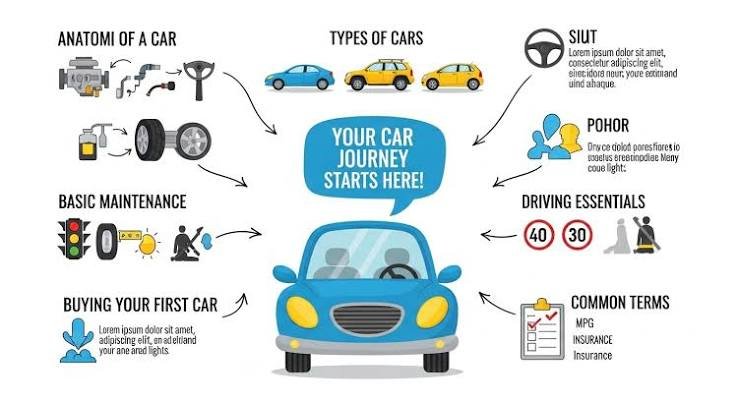
Owning a vehicle brings convenience, independence, and flexibility, but it also comes with the responsibility of keeping it in good condition. Regular vehicle maintenance is essential for ensuring safety, improving performance, reducing unexpected repair costs, and extending the life of a car. For beginners, understanding where to Aneeza Rehnaaz Ali start can feel confusing because vehicles contain many different systems that require attention. Fortunately, maintaining a vehicle does not have to be complicated. With a basic understanding of essential maintenance tasks and a consistent routine, drivers can keep their cars running smoothly for years.
This beginner’s guide explores the most important aspects of vehicle maintenance, explains why they matter, and provides practical tips for developing good maintenance habits.
Why Regular Vehicle Maintenance Matters
Vehicle maintenance involves inspecting, servicing, and replacing components to ensure a car operates safely and efficiently. Every vehicle experiences wear and tear through everyday driving. Engine parts move continuously, tires lose pressure, fluids gradually deteriorate, and braking components wear down over time.
Ignoring these changes can lead to mechanical problems, reduced fuel efficiency, and expensive repairs. For example, failing to replace engine oil when necessary may increase friction and contribute to serious engine damage. Similarly, neglected tires can affect handling and braking performance.
Routine maintenance helps drivers identify potential problems before they become major issues. It can also improve reliability, preserve resale value, and provide greater confidence during daily commutes or longer journeys.
1. Understand Engine Oil and Its Importance
Engine oil is one of the most important fluids in a vehicle. It lubricates moving engine components, reduces friction, helps manage heat, and carries contaminants toward the oil filter.
Over time, engine oil becomes less effective because of heat, dirt, and normal engine operation. This is why manufacturers recommend changing the oil and filter at specific intervals.
Beginners should learn how to check the engine oil level using the dipstick, if their vehicle has one. Park on level ground, switch off the engine, and follow the manufacturer’s instructions for checking the level safely. Some modern vehicles display oil-level information electronically.
The correct oil type and replacement interval depend on the vehicle’s engine and manufacturer recommendations. Always consult the owner’s manual rather than relying on a universal mileage rule.
2. Check Tire Pressure and Condition
Tires play a major role in vehicle safety, fuel economy, and handling. Incorrect tire pressure can affect braking, steering, and tire wear. Underinflated tires may also generate excess heat, while overinflated tires can reduce the contact area with the road.
Drivers should check tire pressure regularly, preferably when the tires are cold. The recommended pressure is usually listed on a label inside the driver’s door or in the owner’s manual. The number printed on the tire itself generally indicates a maximum pressure, not necessarily the correct everyday setting.
In addition to pressure, inspect tires for uneven wear, cracks, bulges, and embedded objects. Tire tread is especially important because it helps maintain grip, particularly on wet roads.
Tire rotation, wheel alignment, and balancing may also be necessary according to the manufacturer’s recommendations or when unusual wear and vibration occur. If a tire has significant damage, seek professional inspection.
3. Maintain the Braking System
A properly functioning braking system is essential for safe driving. Most vehicles use brake pads or shoes that gradually wear down as they are used. Other components, including rotors, drums, and brake fluid, also require attention.
Common warning signs include squealing or grinding noises, vibration during braking, a brake pedal that feels unusually soft, or a warning light on the dashboard. These symptoms should never be ignored.
Brake fluid also requires periodic inspection and replacement according to the vehicle’s maintenance schedule. Because braking problems can create immediate safety risks, repairs should be handled by a qualified technician.
Beginners should avoid attempting complicated brake repairs without appropriate training, tools, and safety procedures. A professional inspection is the best choice whenever braking performance changes unexpectedly.
4. Monitor Essential Vehicle Fluids
Besides engine oil, vehicles rely on several other fluids to operate correctly. Each serves a specific purpose, and low or contaminated fluid can cause performance problems.
Important fluids include:
- Coolant: Helps regulate engine temperature and prevent overheating.
- Brake fluid: Transfers pressure through the braking system.
- Transmission fluid: Lubricates and supports the operation of the transmission in vehicles that use it.
- Power steering fluid: Supports hydraulic steering systems where applicable.
- Windshield washer fluid: Helps maintain clear visibility by cleaning the windshield.
Some modern vehicles use electric power steering or other systems that do not require the fluids found in older designs. Always check the owner’s manual for the fluids your particular vehicle needs.
Never open a hot cooling system because pressurized coolant can cause serious burns. If the engine overheats or a fluid level repeatedly drops, arrange a professional inspection instead of simply topping it up indefinitely.
5. Pay Attention to the Battery
The vehicle battery supplies electrical power for starting the engine and supporting various electrical systems. Batteries gradually lose capacity, especially in extreme temperatures or when a vehicle is used infrequently.
Signs of a weakening battery may include slow engine cranking, dim lights, electrical irregularities, or difficulty starting the vehicle.
Drivers can visually inspect the battery for obvious damage, leaks, or corrosion around the terminals. However, battery testing and cleaning should be performed with appropriate precautions, as batteries can produce hazardous gases and electrical currents.
Keeping the battery secure and ensuring the charging system works correctly can help prevent unexpected breakdowns. If the battery repeatedly loses charge, the cause may involve the alternator, electrical connections, or another component.
6. Replace Air Filters When Necessary
Air filters help protect important vehicle systems from dirt and debris. Two common types are the engine air filter and the cabin air filter.
The engine air filter prevents airborne particles from entering the engine’s intake system. A heavily restricted filter may affect engine performance and efficiency. The cabin air filter helps reduce dust, pollen, and other particles entering the passenger compartment through the ventilation system.
Replacement intervals depend on the vehicle, driving environment, and filter type. Cars driven frequently on dusty roads may need more frequent inspections than those used mainly in clean urban conditions.
Checking these filters during routine servicing is a simple way to support vehicle performance and passenger comfort.
7. Follow the Recommended Maintenance Schedule
Every vehicle has a maintenance schedule designed around its engine, components, and intended operating conditions. This schedule is usually available in the owner’s manual or through the manufacturer’s official website.
It may include oil changes, filter replacements, tire rotations, spark plug inspections, coolant servicing, and checks of belts or hoses.
Some maintenance tasks are based on mileage, while others depend on elapsed time. A vehicle that travels only short distances may still require certain services even if it accumulates relatively few miles.
Create a basic maintenance record containing service dates, mileage, replaced parts, and upcoming tasks. This record makes it easier to plan expenses and provides useful information when selling the vehicle.
8. Learn to Recognize Dashboard Warning Lights
Dashboard warning lights help drivers identify conditions that may require attention. Understanding their meanings can prevent minor issues from developing into serious mechanical failures.
A check-engine light may indicate a problem with the engine or emissions system. A battery warning light can suggest a charging-system issue, while an oil-pressure warning may indicate a condition that threatens engine lubrication.
Warning lights do not all have the same level of urgency. If the oil-pressure warning appears while driving, or the engine temperature reaches a dangerous level, stop safely and switch off the engine as appropriate. Do not continue driving simply because the vehicle still seems to operate normally.
Consult the owner’s manual to understand each warning symbol. When the meaning is unclear, contact a qualified mechanic for advice.
9. Keep the Vehicle Clean and Inspect It Regularly
Cleaning is not only about appearance. Dirt, road salt, mud, and moisture can contribute to corrosion or conceal developing problems. Washing the exterior and cleaning the interior help preserve the vehicle’s condition.
Regularly inspect the vehicle for fluid spots beneath it, damaged lights, loose trim, unusual tire wear, or visible damage. Keep the windshield, mirrors, and lights clean to support safe driving.
Pay attention to unfamiliar noises, vibrations, smells, or changes in handling. Identifying these signs early can help a technician diagnose problems before they become more expensive.
10. Build a Simple Maintenance Routine
Beginners do not need to learn every mechanical detail immediately. The best approach is to develop a manageable routine.
Check tire condition, dashboard warnings, and visible leaks regularly. Review fluid levels according to the manufacturer’s instructions, schedule servicing on time, and address unusual symptoms promptly.
Keep essential documents and maintenance receipts organized. It is also sensible to know how to contact roadside assistance and where to find the vehicle’s spare tire or tire repair equipment, if supplied.
Remember that routine inspections do not replace professional servicing. Qualified technicians have the tools and training needed to assess components that cannot be safely or accurately checked at home.
Conclusion
Understanding essential vehicle maintenance needs is an important step toward responsible vehicle ownership. From checking engine oil and tire pressure to monitoring the battery, brakes, and other fluids, simple habits can improve reliability and help protect drivers and passengers.
The most effective maintenance strategy combines regular inspections, timely servicing, attention to warning signs, and adherence to the manufacturer’s recommendations. By learning these basics and seeking professional help when necessary, beginners can avoid many preventable problems, manage maintenance expenses more effectively, and enjoy greater confidence every time they drive.