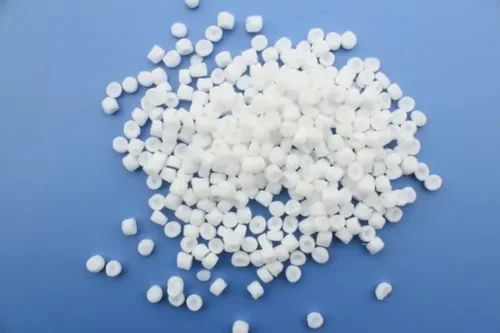
The plastics manufacturing industry continuously seeks innovative solutions to improve production efficiency, enhance product quality, and reduce operational costs. As manufacturers face increasing demands for durable, high-performance plastic products, advanced additives have become essential to modern processing operations. Among these innovations, PE Silicone Masterbatch has emerged as an effective solution for improving plastic processing, surface properties, and overall material performance.
By combining silicone technology with a polyethylene-based carrier, this specialized masterbatch helps manufacturers achieve smoother processing, improved lubrication, reduced friction, and better surface characteristics. Its versatility makes it suitable for various plastic applications, including films, pipes, injection-molded products, extrusion components, and packaging materials.
Understanding PE Silicone Masterbatch
PE Silicone Masterbatch is a concentrated additive formulation that incorporates silicone-based components into a polyethylene carrier resin. It is designed to be blended with compatible plastic materials during manufacturing to improve processing behavior and selected physical properties.
Silicone is widely recognized for its low surface energy, thermal stability, and excellent lubricating characteristics. When incorporated into polyethylene-based formulations, it can help reduce friction between polymer materials and processing equipment.
The polyethylene carrier provides compatibility with many PE-based plastic formulations, allowing manufacturers to introduce silicone functionality through conventional compounding and processing methods.
Depending on the formulation, the masterbatch may contain different silicone concentrations and specialized additives to meet specific manufacturing requirements.
How Advanced Silicone Technology Improves Plastic Processing
Plastic processing involves several stages, including melting, mixing, extrusion, molding, and cooling. During these operations, friction, material buildup, and inconsistent flow can create production challenges.
Advanced silicone technology addresses several of these issues by modifying the interaction between polymer materials and processing surfaces.
Reduced Friction During Manufacturing
One of the primary advantages of PE Silicone Masterbatch is its ability to reduce friction during plastic processing. Lower friction can improve material movement through machinery, including extruders, injection molding equipment, and other processing systems.
This improvement may help manufacturers achieve more consistent production conditions while reducing mechanical resistance during material flow.
Improved Melt Flow Behavior
Consistent melt flow is essential for producing plastic components with uniform dimensions and reliable surface quality. Silicone additives can help improve processing characteristics by reducing friction within the polymer system.
Depending on the formulation and dosage, this can support smoother extrusion, more stable material movement, and improved manufacturing consistency.
Reduced Equipment Wear
Excessive friction can contribute to mechanical stress on processing equipment. By improving lubrication characteristics, silicone-based additives may help reduce friction-related wear in certain manufacturing applications.
This can contribute to more efficient equipment operation and potentially lower maintenance requirements over time.
Key Benefits of PE Silicone Masterbatch
Manufacturers choose specialized masterbatch solutions because they offer multiple performance advantages without requiring major changes to existing production systems.
Enhanced Surface Smoothness
Surface quality plays an important role in the appearance and functionality of finished plastic products. PE Silicone Masterbatch can help improve surface smoothness and reduce unwanted friction.
This is particularly beneficial for packaging films, plastic sheets, molded components, and other products where surface characteristics influence performance and customer satisfaction.
Improved Scratch and Abrasion Resistance
Certain silicone formulations can improve the resistance of plastic surfaces to scratches and abrasion. This benefit is valuable for products exposed to repeated handling, transportation, or mechanical contact.
Improved surface durability can help maintain the appearance and usability of finished products.
Better Processing Efficiency
Reduced friction and improved material flow can support more efficient production operations. Depending on the formulation and manufacturing conditions, manufacturers may experience improved processing stability and reduced production interruptions.
Consistent Product Quality
Maintaining consistent product quality is essential for large-scale plastic manufacturing. Properly selected silicone masterbatch formulations can help improve processing consistency and support uniform surface characteristics across production batches.
Potential Energy Savings
Processing efficiency can influence the energy consumption of plastic manufacturing equipment. When an additive reduces friction and improves material flow, it may contribute to lower processing resistance.
Actual energy savings depend on equipment design, processing temperatures, material composition, and additive concentration.
Applications Across Different Plastic Industries
PE Silicone Masterbatch is used in various plastic manufacturing applications where processing improvements and surface performance are important.
Flexible Packaging Films
Packaging manufacturers require films that offer smooth surfaces, reliable processing, and consistent quality. Silicone-based additives can help improve film handling and reduce friction during production and converting operations.
These properties can be useful in polyethylene packaging films, industrial liners, agricultural films, and other flexible packaging materials.
Plastic Pipes and Tubing
Plastic pipe manufacturers focus on dimensional stability, surface quality, and efficient extrusion. Depending on the formulation, silicone masterbatch can support smoother processing and help improve selected surface characteristics.
Injection-Molded Products
Injection molding requires controlled material flow and consistent filling of molds. PE Silicone Masterbatch may improve processing behavior in compatible formulations, helping manufacturers achieve reliable production conditions.
It can be considered for household products, industrial components, consumer goods, and other molded plastic applications.
Extruded Plastic Products
Extrusion manufacturers often work with continuous production processes where friction and material flow directly influence operational efficiency.
Silicone additives can help optimize processing characteristics in selected polyethylene-based extrusion applications, including sheets, profiles, films, and related products.
Automotive and Industrial Components
Plastic components used in automotive and industrial applications may require improved surface durability, reduced friction, and reliable manufacturing performance.
Specialized silicone masterbatch formulations can support these requirements when selected according to the material specifications and application conditions.
Choosing the Right PE Silicone Masterbatch Formulation
Selecting the appropriate masterbatch is important for achieving the desired manufacturing results. Different applications have different processing requirements, so manufacturers should evaluate several technical factors before making a decision.
First, carrier resin compatibility should be considered. A polyethylene-based carrier is generally suitable for many PE formulations, but the specific polymer grade and processing conditions must be evaluated.
Second, silicone concentration influences additive performance. Higher concentrations do not automatically produce better results. The optimal dosage depends on the required surface properties, production process, and base polymer composition.
Third, manufacturers should examine processing temperature requirements, melt flow characteristics, and compatibility with other additives.
Finally, product testing is essential. Small-scale trials can help determine the appropriate dosage and identify potential effects on mechanical properties, appearance, and processing stability.
Best Practices for Using Silicone Masterbatch
Correct handling and application are important for obtaining consistent results.
Manufacturers should follow the supplier’s recommended dosage and mixing instructions. Proper dispersion helps ensure that silicone components are distributed throughout the polymer material.
Accurate dosing equipment can reduce variations between production batches. In addition, maintaining appropriate processing temperatures and machine settings can help achieve stable manufacturing conditions.
It is also important to evaluate the finished product rather than focusing exclusively on processing improvements. Testing tensile strength, elongation, surface quality, friction, and other relevant properties can provide a clearer understanding of overall performance.
Working closely with an experienced masterbatch supplier can also help manufacturers identify suitable formulations for specialized applications.
The Importance of Quality and Reliable Manufacturing
The effectiveness of PE Silicone Masterbatch depends heavily on formulation quality and manufacturing consistency. Reliable suppliers focus on raw material selection, controlled compounding processes, quality inspections, and product testing.
A high-quality product should offer consistent silicone concentration, good dispersion, stable carrier compatibility, and predictable processing behavior.
Manufacturers should request technical data sheets and application recommendations before selecting a supplier. Evaluating sample materials under actual production conditions can also help confirm whether the product meets specific performance expectations.
Choosing a reliable supplier is particularly important for businesses operating large-scale manufacturing facilities, where inconsistent additive quality can affect production efficiency and finished product standards.
Future Trends in Silicone-Based Plastic Additives
The demand for advanced plastic additives is expected to evolve alongside developments in polymer technology and manufacturing automation. Plastic producers increasingly prioritize processing efficiency, material performance, and resource optimization.
Future PE Silicone Masterbatch formulations may focus on improved compatibility, more efficient additive concentrations, enhanced surface functionality, and solutions tailored to specialized polymer applications.
Sustainability is another important consideration. Manufacturers are exploring ways to reduce material waste, improve production efficiency, and develop plastic products with longer service lives.
Advanced silicone technologies can contribute to these objectives when incorporated into carefully designed polymer formulations.
Conclusion
PE Silicone Masterbatch offers plastic manufacturers a practical way to optimize processing operations and improve selected product characteristics through advanced silicone technology. Its friction-reducing and lubricating properties can support smoother material flow, better surface quality, and improved manufacturing consistency.
From flexible packaging and plastic pipes to injection-molded components and industrial products, this additive provides valuable opportunities across different manufacturing sectors.
However, achieving the best results requires selecting the correct formulation, maintaining appropriate dosage levels, and conducting application-specific testing. By working with reliable suppliers and adopting suitable processing practices, manufacturers can use PE Silicone Masterbatch to improve operational efficiency, support consistent product quality, and meet the evolving requirements of the plastics industry.