Introduction
Every car has its own character, but many drivers want to make their vehicles look more distinctive and reflect their personal style. One popular way to achieve this goal is by installing bodykits. These automotive accessories can transform the exterior appearance of a vehicle, giving it a sportier, more aggressive, elegant, or customized look. From subtle front bumper upgrades to complete exterior transformations, bodykits offer numerous opportunities for personalization.
Whether you drive a compact hatchback, a luxury sedan, a sports car, or an SUV, the right bodykit can help improve your vehicle’s visual appeal. However, choosing the right components requires careful consideration of design, material quality, compatibility, installation, and maintenance.
Understanding how bodykits work and what they offer can help you make informed decisions before investing in an exterior upgrade.
What Are Bodykits?
Bodykits are collections of exterior automotive components designed to modify a vehicle’s appearance. Depending on the design, they may replace existing body panels or attach to specific areas of the car. Some kits include only a few accessories, while others provide a comprehensive transformation.
Common bodykit components include front bumpers, rear bumpers, side skirts, front splitters, rear diffusers, spoilers, and fender extensions. Each component contributes to the overall appearance of the vehicle in a different way.
For example, a redesigned front bumper can create a more powerful front-end appearance, while side skirts can make the vehicle appear lower and more streamlined. A rear spoiler may add a sporty finish, and a diffuser-style rear accessory can create a performance-inspired design.
Bodykits are available in different styles, making them suitable for drivers with various preferences. Some emphasize subtle elegance, while others feature bold shapes, sharp lines, and dramatic proportions.
Popular Types of Bodykits
1. Front Bumper Upgrades
The front bumper is one of the most noticeable parts of a vehicle’s exterior. Replacing it with a redesigned version can significantly change the car’s overall character.
Sport-inspired front bumpers often feature larger air openings, angular styling, and distinctive lower sections. More understated designs focus on smooth curves and clean lines.
When selecting a front bumper, it is important to ensure that it fits the vehicle correctly and does not interfere with headlights, parking sensors, cameras, or other factory equipment.
2. Rear Bumpers and Diffusers
Rear bumper upgrades help create a coordinated appearance from the back of the vehicle. Different designs can make a car look wider, sportier, or more modern.
Diffuser-style components are often included in performance-inspired bodykits. Their visual design can complement exhaust outlets and other rear-end details.
However, a decorative diffuser does not automatically improve aerodynamic performance. Its effectiveness depends on its engineering, placement, and compatibility with the vehicle.
3. Side Skirts
Side skirts are installed along the lower sides of a vehicle, between the front and rear wheels. They help connect the visual appearance of the front and rear bumpers.
These components can create the impression of a lower, more streamlined vehicle without changing its original body structure.
Side skirts are available in simple, understated designs as well as more aggressive styles. Drivers should consider ground clearance when selecting them, particularly if they regularly travel on uneven roads or encounter steep parking ramps.
4. Spoilers and Rear Wings
Spoilers and rear wings are popular accessories for drivers who want a sportier exterior. They are available in several shapes and sizes, from small lip spoilers to larger performance-inspired designs.
A spoiler can provide a finishing touch that complements the roofline, trunk, or rear hatch. However, aerodynamic benefits depend on its design and the speed and conditions under which the vehicle operates.
For everyday driving, many owners choose spoilers primarily for their appearance.
5. Fender Extensions and Widebody Kits
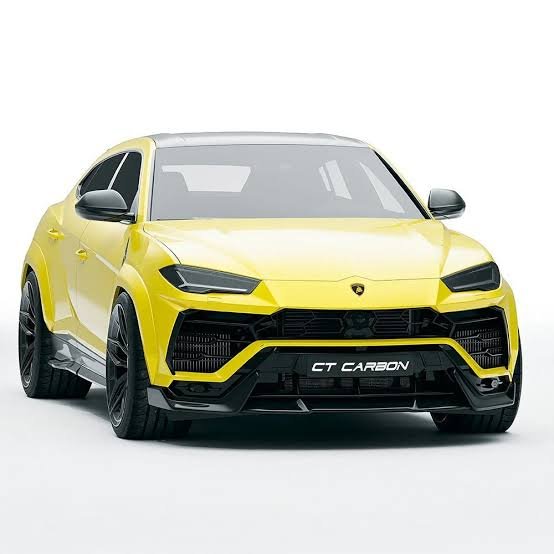
Fender extensions and widebody kits give vehicles a broader, more muscular appearance. They are especially popular among enthusiasts interested in custom automotive styling.
These upgrades can create additional visual space around the wheels and support a more dramatic overall design.
Nevertheless, widebody modifications may require additional changes to wheel fitment, suspension settings, or body panels. Professional assessment is recommended before installation.
How Bodykits Transform a Car’s Appearance
Creating a Sportier Look
One of the biggest advantages of bodykits is their ability to give an ordinary vehicle a sport-inspired appearance. Angular bumpers, side skirts, and carefully selected spoilers can create a more dynamic exterior.
The key is maintaining balance. Installing too many large accessories can make a vehicle appear visually crowded. A coordinated design often looks more attractive than a collection of unrelated parts.
Adding a Personalized Touch
Bodykits allow drivers to move beyond standard factory styling. A person who prefers a clean, understated look can choose subtle bumper extensions and smooth side skirts. Someone who enjoys bold automotive design might prefer wider fenders and more pronounced aerodynamic-inspired components.
Color also plays an important role. Body-colored accessories create a factory-style appearance, while black or contrasting components can emphasize specific design features.
Improving Visual Proportions
Well-selected exterior modifications can change how a vehicle’s proportions are perceived. Side skirts may visually connect the wheels, while a front splitter can make the front end appear lower.
The most successful upgrades complement the vehicle’s existing lines rather than competing with them.
Before purchasing a kit, consider how each component will look alongside the vehicle’s wheels, paint color, headlights, and other exterior details.
Choosing the Right Bodykit for Your Vehicle
Check Vehicle Compatibility
Compatibility should be the first consideration when purchasing bodykits. Components designed for one model may not fit another, even when the vehicles come from the same manufacturer.
Always verify the exact make, model, model year, trim level, and relevant factory options. Differences in bumper shapes, sensors, and mounting points can affect installation.
If possible, review fitment information and consult a qualified installer before placing an order.
Select Suitable Materials
Bodykits are manufactured from several materials, each offering different advantages.
ABS plastic: Commonly used for automotive exterior components because it can provide a practical balance of flexibility, weight, and cost.
Polyurethane: Often valued for its flexibility and ability to accommodate minor impacts, although quality varies by product.
Fiberglass: Popular for custom designs and complex shapes. It can be relatively lightweight, but some products may be more vulnerable to cracking from impacts.
Carbon fiber: Known for its distinctive woven appearance and high strength-to-weight characteristics. Genuine carbon fiber products can be expensive, and quality depends on construction.
The best material depends on your budget, driving conditions, desired appearance, and maintenance expectations.
Consider Your Budget
The cost of a bodykit involves more than the purchase price. You may also need to budget for shipping, paint matching, installation, adjustments, and replacement clips or mounting hardware.
Some inexpensive kits require extensive fitting work, which can increase the final expense. A higher-quality product with accurate dimensions may offer better overall value.
Request a complete estimate before committing to an upgrade.
Professional Installation and Proper Fitment
Although some small exterior accessories can be installed by experienced enthusiasts, complete bodykits often require specialist knowledge and tools.
Professional installation helps ensure that components align properly with the vehicle’s bodywork. Poor fitment can create uneven gaps, loose panels, unwanted vibration, and difficulties opening doors or accessing maintenance points.
Before installation, the installer should inspect the components for damage and confirm their compatibility with the vehicle.
Painting should also be completed carefully. Proper surface preparation, suitable primer, and accurate color matching help create a consistent finish.
After installation, check that lights, parking sensors, cameras, and other safety-related equipment function correctly. Components must not obstruct visibility, wheels, cooling openings, or other essential vehicle features.
Maintenance Tips for Bodykits
Maintaining bodykits helps preserve their appearance and condition over time.
Wash modified exterior panels regularly using automotive cleaning products and soft washing materials. Removing road grime, dust, and other contaminants helps prevent buildup that can affect the finish.
Inspect mounting points periodically, especially after driving on rough roads. Loose fasteners and damaged brackets should be addressed promptly.
Be careful when approaching steep driveways, speed bumps, and parking barriers if your vehicle has a low front splitter or side skirts. These components may have less clearance than the original bodywork.
For painted accessories, use products suitable for automotive finishes. Follow the manufacturer’s recommendations for cleaning, polishing, and protecting the material.
If cracks, loose sections, or significant damage appear, have the affected component assessed rather than relying on temporary fixes.
Common Mistakes to Avoid
One frequent mistake is choosing a bodykit based entirely on appearance without checking compatibility. Even an attractive design can become a poor investment if it requires extensive modification to fit.
Another mistake is ignoring material quality. Low-quality components may have inconsistent surfaces, weak mounting points, or inaccurate dimensions.
Drivers should also avoid selecting accessories that do not complement one another. A dramatic rear wing combined with understated bumpers and unrelated side skirts may create an unbalanced result.
Skipping professional installation when specialist fitting is necessary can lead to additional expenses and disappointing results.
Finally, check local vehicle regulations before making substantial exterior changes. Rules may cover protruding components, lighting, vehicle dimensions, registration requirements, or roadworthiness. A modification that looks appealing must still be suitable for legal and safe road use.
Are Bodykits Worth the Investment?
Bodykits can be worthwhile for drivers who want to personalize their vehicles without purchasing a different car. They offer flexibility, allowing owners to make small improvements or undertake a complete exterior transformation.
Their value depends on the quality of the components, the suitability of the design, installation expenses, and the owner’s priorities.
A carefully selected kit can improve visual appeal and create a more cohesive exterior. However, expensive modifications do not necessarily increase a vehicle’s resale value. Highly customized styling may appeal to some buyers while discouraging others.
If resale flexibility matters, consider keeping the original components so the vehicle can be returned to its factory appearance when necessary.
Conclusion
Bodykits provide an effective way to upgrade a vehicle’s style and express individual automotive preferences. From front bumper replacements and side skirts to spoilers and widebody designs, these components offer many opportunities to create a distinctive exterior.
The best results come from balancing appearance, compatibility, material quality, installation, and long-term maintenance. Rather than choosing accessories simply because they look impressive, consider how each component complements the vehicle’s original design and fits your everyday driving needs.
By researching available options, setting a realistic budget, and working with experienced installers, you can create a personalized vehicle that looks refined, cohesive, and suited to your preferences. A thoughtful approach to bodykit selection can turn an ordinary exterior into a distinctive design without sacrificing the practical considerations that matter on the road.