



Cost Savings and Efficiency with Natural Refrigerants in Refrigeration Equipment
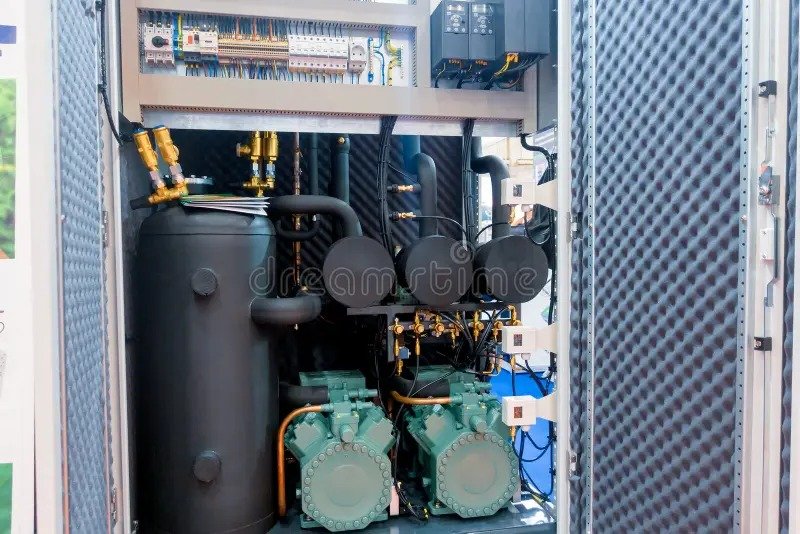
In recent years, the refrigeration industry has seen a significant shift toward environmentally friendly solutions. One of the most notable developments is the adoption of natural refrigerants in refrigeration equipment. These substances, such as ammonia, carbon dioxide, and hydrocarbons, provide an eco-friendly alternative to traditional synthetic refrigerants while offering a range of economic and operational benefits. This article explores how refrigeration equipment with natural refrigerants can improve cost efficiency and operational performance.
The Environmental and Economic Drivers
Traditional refrigeration systems often rely on hydrofluorocarbons (HFCs), which have high global warming potential (GWP) and can contribute significantly to climate change. Regulatory bodies around the world are increasingly restricting the use of HFCs due to their environmental impact. This shift has prompted manufacturers and businesses to explore refrigeration equipment with natural refrigerants as a viable and sustainable alternative.
Natural refrigerants, including ammonia (R-717), carbon dioxide (R-744), and hydrocarbons like propane (R-290), are non-ozone-depleting and have low GWP. Using these substances not only aligns with global environmental standards but also helps companies avoid potential fines or compliance costs associated with outdated refrigerants.
Operational Efficiency Advantages
One of the key benefits of refrigeration equipment with natural refrigerants is its operational efficiency. Natural refrigerants typically have superior thermodynamic properties compared to synthetic options. For example, carbon dioxide systems operate at higher pressures, allowing for rapid heat transfer and more compact system designs. Ammonia offers excellent energy efficiency in large-scale industrial refrigeration, often reducing energy consumption by 20-30% compared to traditional systems.
Enhanced energy efficiency directly translates into cost savings. Lower energy usage reduces utility bills, which is often one of the largest operational expenses for facilities with refrigeration requirements. Over the lifetime of the equipment, these savings can be substantial, offsetting the initial investment required to switch to natural refrigerants.
Reduced Maintenance and System Longevity
Refrigeration equipment with natural refrigerants often benefits from longer service life and reduced maintenance requirements. Ammonia systems, for instance, are known for their reliability and durability in industrial settings. They are less likely to degrade the performance of mechanical components over time compared to synthetic refrigerants, which can cause oil breakdown or compressor wear.
Reduced maintenance not only lowers direct costs but also minimizes downtime, enhancing overall productivity. Businesses that rely on continuous refrigeration—such as food storage, pharmaceuticals, and cold chain logistics—stand to gain significantly from the improved reliability of natural refrigerant systems.
Safety and Risk Management
While natural refrigerants are more environmentally friendly, it is important to consider safety factors. Ammonia is toxic, and hydrocarbons are flammable, which requires careful system design, leak detection, and proper handling procedures. Modern refrigeration equipment with natural refrigerants incorporates safety mechanisms such as advanced leak detection, pressure relief valves, and automated shutdown systems to mitigate risks.
Investing in these safety features ensures compliance with regulations and reduces the potential financial liability associated with accidents or refrigerant leaks. Over time, these proactive measures contribute to overall cost efficiency by avoiding expensive emergency repairs and insurance claims.
Scalability and Flexibility
Natural refrigerants are highly adaptable for a variety of applications, from small commercial freezers to large industrial refrigeration plants. Carbon dioxide systems, for example, are particularly effective in supermarkets and food processing facilities due to their ability to maintain precise temperatures and adapt to fluctuating loads.
This flexibility allows businesses to scale their refrigeration solutions efficiently. Facilities can expand or modify their systems without major overhauls, reducing capital expenditure and operational disruption. The combination of scalability and operational efficiency enhances long-term cost savings and resource optimization.
Regulatory Incentives and Financial Benefits
Many governments offer incentives for companies adopting eco-friendly refrigeration technologies. Tax credits, grants, and low-interest financing programs are often available for facilities that transition to refrigeration equipment with natural refrigerants. These financial incentives can offset installation costs and accelerate return on investment.
In addition to government programs, businesses may benefit from lower insurance premiums. Eco-friendly systems with robust safety features are often considered lower risk by insurers, further contributing to cost efficiency. By taking advantage of regulatory support and financial incentives, companies can make a strategic investment that aligns with both environmental goals and financial performance.
Case Studies Demonstrating Savings
Several industries have already realized significant cost savings by switching to natural refrigerants. Supermarkets using carbon dioxide transcritical systems report up to 30% reductions in energy consumption compared to older HFC-based equipment. Industrial food processors employing ammonia refrigeration systems have noted lower maintenance costs and fewer unplanned shutdowns.
These case studies highlight that the benefits are not merely theoretical. Businesses across different sectors are experiencing measurable improvements in operational efficiency, energy use, and long-term cost management by adopting refrigeration equipment with natural refrigerants.
Future Outlook and Technological Advancements
The refrigeration industry continues to innovate, further enhancing the efficiency and applicability of natural refrigerants. Developments in hybrid systems, optimized compressors, and digital monitoring tools are making it easier to operate these systems safely and cost-effectively.
As awareness of climate change and environmental regulations grows, the adoption of natural refrigerants is expected to accelerate. Companies that invest early in these technologies will likely gain competitive advantages through lower operational costs, improved sustainability credentials, and compliance with evolving regulations.
Conclusion
Refrigeration equipment with natural refrigerants offers a compelling combination of environmental responsibility and economic efficiency. By leveraging superior thermodynamic properties, reducing maintenance needs, and taking advantage of regulatory incentives, businesses can achieve significant cost savings while contributing to global sustainability goals.
Transitioning to natural refrigerants is not only a strategic investment in the environment but also a sound financial decision. Organizations that prioritize this shift can enjoy lower energy costs, enhanced operational reliability, and a scalable refrigeration solution that meets the demands of the future. By embracing refrigeration equipment with natural refrigerants, companies position themselves at the forefront of innovation, efficiency, and sustainability.