





What to Pack Into Your Sichuan-Tibet Route Itinerary
Planning a journey along the Sichuan-Tibet route is an adventure of a lifetime. The route offers a combination of breathtaking landscapes, ancient culture, and spiritual experiences. A well-planned Sichuan-Tibet route itinerary ensures that you maximize your time while enjoying every remarkable destination along the way. In this article, we will explore the essential elements to include in your itinerary to make your trip unforgettable.
Start Your Journey from Chengdu
Chengdu, the capital of Sichuan province, is the perfect starting point for your Sichuan-Tibet route itinerary. Known for its relaxed atmosphere, spicy cuisine, and adorable giant pandas, Chengdu provides an ideal introduction to the region. Be sure to visit the Chengdu Research Base of Giant Panda Breeding, where you can observe these iconic animals up close. Additionally, explore the city’s vibrant food streets and sample local Sichuan hotpot for an authentic culinary experience.
Explore the Sichuan Highlands
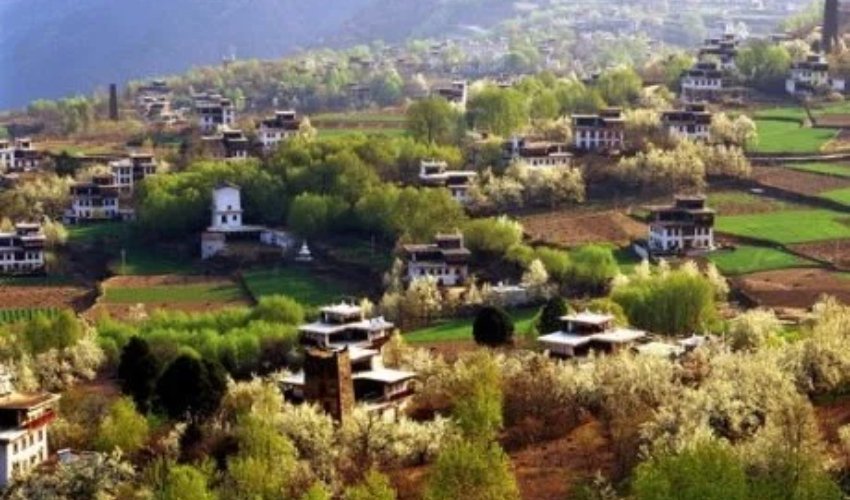
After Chengdu, your journey will take you through the stunning Sichuan highlands. Cities like Kangding and Luding offer a glimpse of traditional Tibetan culture while serving as gateways to the Tibetan plateau. Include stops at monasteries, Tibetan villages, and scenic viewpoints along the way. The landscapes here range from rolling hills and lush valleys to snow-capped mountains, making it essential to plan your itinerary to capture these diverse sceneries.
Cross the Spectacular Highways
A critical part of any Sichuan-Tibet route itinerary is the highway journey itself. Roads such as the G318 National Highway are renowned for their dramatic mountain passes and breathtaking vistas. Travelers often describe the experience as a journey through the clouds, with winding roads that offer panoramic views of rivers, glaciers, and plateaus. Ensure that your itinerary allows for frequent stops to rest, take photographs, and acclimate to higher altitudes.
Include Key Tibetan Towns
Tibetan towns along the route, such as Tagong, Litang, and Garze, are must-visit destinations. These towns offer an authentic insight into Tibetan life, culture, and spirituality. In Tagong, for instance, the expansive grasslands and local monasteries provide an unforgettable experience. Litang, often referred to as the “Roof of the World,” is perfect for witnessing Tibetan festivals and horse racing events if your timing aligns. Incorporating these towns into your Sichuan-Tibet route itinerary adds depth to your journey and ensures a blend of cultural immersion and scenic exploration.
Prioritize Monasteries and Cultural Sites
No Sichuan-Tibet route itinerary is complete without visits to monasteries and cultural landmarks. Monasteries like Yarchen Gar and Kandze Monastery provide spiritual insight into Tibetan Buddhism. Plan your visit to include local rituals and prayer ceremonies, which offer a profound understanding of Tibetan traditions. In addition, museums and cultural centers in towns along the route showcase traditional Tibetan art, crafts, and history, making them essential stops for culturally curious travelers.
Account for Altitude and Acclimatization
Traveling along the Sichuan-Tibet route involves significant changes in altitude. Your itinerary should factor in acclimatization days to prevent altitude sickness and ensure an enjoyable journey. Spend time in intermediate altitudes such as Kangding before ascending to higher regions like Litang and beyond. This allows your body to adjust gradually while also giving you the opportunity to explore additional scenic spots and local communities along the way.
Plan Scenic Stops and Natural Wonders
The route from Sichuan to Tibet is dotted with natural wonders that are best experienced in person. Include stops at iconic locations such as Yading Nature Reserve, famous for its snow-capped peaks and pristine lakes. The Daocheng Yading area, in particular, is a highlight for photographers and nature lovers, offering some of the most breathtaking scenery in the region. Other scenic locations include glacial rivers, alpine meadows, and remote valleys, which should all be integrated into your Sichuan-Tibet route itinerary.
Prepare for Adventure Activities
For those seeking more than sightseeing, your Sichuan-Tibet route itinerary can include adventure activities. Trekking in Yading, horseback riding in the grasslands, and mountain climbing are popular options for adventure enthusiasts. These experiences provide a deeper connection with the natural environment and allow travelers to engage actively with the stunning landscapes along the route.
Include Local Cuisine Experiences
Sampling local cuisine is an essential aspect of your Sichuan-Tibet route itinerary. Sichuan’s bold flavors, such as spicy hotpot and mapo tofu, contrast with the simpler, hearty meals of Tibetan towns that often feature yak meat, butter tea, and tsampa. Planning your meals to include both regional specialties and local dining experiences adds a flavorful dimension to your journey.
Consider Travel Logistics
A practical Sichuan-Tibet route itinerary also accounts for travel logistics, including accommodation, transportation, and permits. Tibet requires a travel permit, which should be arranged in advance. Consider the availability of hotels, guesthouses, and homestays in towns along the route. Reliable transportation is critical, whether using private vehicles, buses, or guided tours. Ensuring smooth logistics will allow you to focus on enjoying the journey rather than worrying about unforeseen obstacles.
End Your Journey in Lhasa
Most travelers conclude their Sichuan-Tibet route itinerary in Lhasa, Tibet’s spiritual and cultural capital. Lhasa offers iconic landmarks such as the Potala Palace, Jokhang Temple, and Barkhor Street. Plan multiple days here to explore these sites thoroughly and absorb the unique Tibetan culture. Lhasa serves as a fitting climax to the journey, offering a blend of history, spirituality, and breathtaking scenery that encapsulates the essence of the Sichuan-Tibet route.
Tips for an Optimal Itinerary
To make the most of your Sichuan-Tibet route itinerary, consider these tips: schedule rest days to acclimate to high altitudes, plan travel during the best seasons (spring and autumn offer mild weather and clear skies), and leave flexibility for unexpected discoveries along the way. Additionally, prepare for varying climates and carry essential supplies such as warm clothing, sunscreen, and first-aid kits. A carefully crafted itinerary balances sightseeing, cultural experiences, and personal downtime, ensuring a memorable and safe adventure.
In conclusion, a Sichuan-Tibet route itinerary should combine cultural immersion, scenic exploration, spiritual experiences, and practical planning. From Chengdu’s lively streets to Lhasa’s spiritual heart, every stop along the route contributes to a journey of discovery and awe. By thoughtfully including key towns, monasteries, natural wonders, adventure activities, and local cuisine, travelers can create an itinerary that captures the full magic of the Sichuan-Tibet route. This journey is not just about reaching a destination but about experiencing the beauty, culture, and spirit of one of the world’s most remarkable regions.