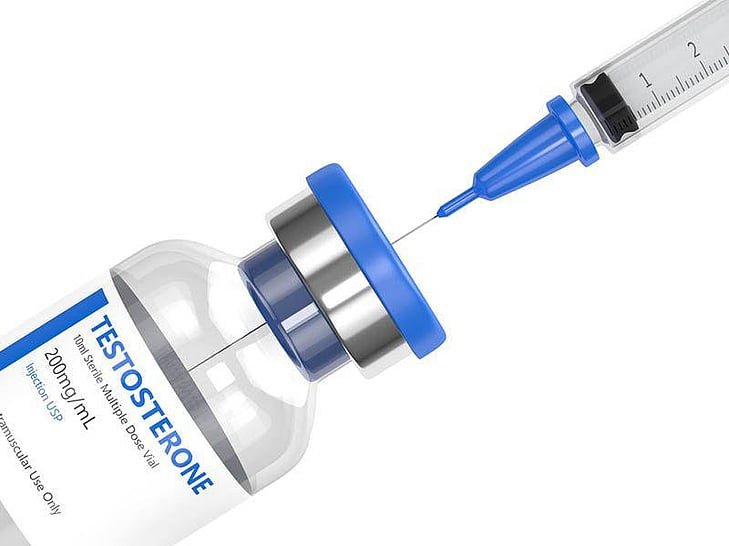
Anabolic steroids are synthetic substances designed to imitate the effects of testosterone, the primary male sex hormone responsible for muscle growth, bone development, and several other biological functions. While these compounds are sometimes used in medical treatments under professional supervision, they are also commonly misused by individuals seeking faster muscle development, improved athletic performance, or changes in physical appearance. Understanding how anabolic steroids affect different systems of the human body is important because their influence extends far beyond muscle tissue.
The human body works through interconnected systems, meaning changes in one area can create effects throughout the entire organism. Similar to how Arctic titans survive through complex adaptations in extreme environments, the human body relies on balance and regulation to maintain health. When anabolic steroids disrupt natural hormone levels, multiple systems can experience significant changes.
How Anabolic Steroids Influence the Hormonal System
The hormonal system is one of the first areas affected by anabolic steroid use. The body naturally produces testosterone through a carefully controlled process involving the brain, pituitary gland, and reproductive organs. When anabolic steroids introduce artificial hormones into the body, the brain may reduce or stop signals that encourage natural testosterone production.
This hormonal imbalance can lead to reduced testosterone production, shrinking of the testicles in men, decreased sperm production, and fertility problems. Some users may experience mood changes, increased aggression, irritability, or emotional instability because hormones also influence brain activity and behavior.
In women, anabolic steroid use can create hormonal changes that result in deeper voice development, increased facial or body hair growth, irregular menstrual cycles, and other masculine characteristics. These effects can sometimes become permanent even after stopping steroid use.
Effects on the Muscular and Skeletal Systems
One of the main reasons people misuse anabolic steroids is their impact on muscles. These substances increase protein production inside muscle cells, allowing the body to build muscle mass more quickly when combined with resistance training. Users may experience increased strength and faster recovery after workouts.
However, rapid muscle growth does not always mean improved overall health. Tendons and ligaments may not strengthen at the same speed as muscles, increasing the risk of injuries such as tendon tears. The body’s natural ability to repair and regulate muscle growth can also become disrupted over time.
Anabolic steroids can affect bones as well. In younger individuals, steroid misuse may interfere with normal bone development and limit growth by causing early closure of growth plates. Maintaining a natural hormonal balance is essential for healthy skeletal development.
Impact on the Cardiovascular System
The cardiovascular system can experience some of the most serious effects from anabolic steroid misuse. Steroids can influence cholesterol levels by lowering beneficial HDL cholesterol and increasing harmful LDL cholesterol. This imbalance can contribute to the buildup of fatty deposits in arteries.
Long-term steroid use may increase the risk of high blood pressure, heart enlargement, blood clots, heart attacks, and strokes. Although increased muscle size may create an appearance of physical strength, internal cardiovascular health may decline.
The heart itself can also be affected. Some studies suggest that anabolic steroid misuse may contribute to changes in heart structure and function, reducing the heart’s ability to pump blood efficiently. These risks highlight why performance enhancement through artificial hormones can have dangerous consequences.
Effects on the Liver and Digestive Health
The liver plays a major role in processing substances within the body, and anabolic steroids can place additional stress on this important organ. Oral anabolic steroids, especially certain modified forms, have been associated with liver damage because they must be processed through the digestive system.
Possible liver-related problems include increased liver enzymes, inflammation, and more serious conditions such as liver tumors in rare cases. Regular monitoring by healthcare professionals is important for individuals who use medically prescribed hormone treatments.
The digestive system may not be directly targeted by anabolic steroids, but changes in metabolism, fluid balance, and organ function can influence overall digestive health and nutrient processing.
Effects on the Nervous System and Mental Health
The brain and nervous system are also affected by anabolic steroids. Because hormones influence mood, emotions, and behavior, artificial changes in hormone levels can lead to psychological effects.
Some individuals experience increased confidence and energy while using steroids, but others may develop anxiety, depression, mood swings, or aggressive behavior. A condition sometimes referred to as “steroid withdrawal” can occur when users stop taking these substances after prolonged use. Reduced natural hormone production may contribute to fatigue, low mood, and emotional difficulties.
The connection between hormones and brain function demonstrates how closely linked the body’s systems are. Like Arctic titans adapting to challenging surroundings, the human body constantly adjusts to internal and external changes, but extreme disruptions can overwhelm natural processes.
Effects on the Reproductive System
Anabolic steroids have significant effects on reproductive health. In men, excessive steroid use can reduce natural testosterone production, decrease sperm count, and affect fertility. Some users may experience reduced sexual function after stopping steroid use because the body requires time to restore normal hormone production.
Women who misuse anabolic steroids may experience changes in reproductive function, including irregular periods and reduced fertility. These effects occur because external hormones interfere with the body’s normal reproductive cycle.
Medical professionals sometimes use hormone-related treatments for specific conditions, but unsupervised steroid use can create serious reproductive challenges.
Effects on the Skin and Appearance
Anabolic steroids can create visible changes in the skin and physical appearance. Increased oil production may lead to severe acne, especially on the face, chest, and back. Some users may also experience oily skin and accelerated hair loss if they have a genetic tendency toward baldness.
Stretch marks can appear when muscles grow rapidly and the skin cannot adapt quickly enough. These changes demonstrate that the body’s external appearance does not always reflect internal health.
Long-Term Health Considerations
The long-term effects of anabolic steroids depend on factors such as dosage, duration of use, individual genetics, and overall health. Some people may experience severe complications, while others may notice fewer immediate problems. However, the risks remain significant because steroids influence many biological systems simultaneously.
Safe muscle development typically depends on balanced nutrition, consistent training, adequate recovery, and healthy lifestyle choices. The body’s natural processes are designed to maintain stability, and disrupting these systems can create lasting consequences.
Understanding the Balance of the Human Body
The human body is a complex network where every system depends on proper regulation. Anabolic steroids may provide short-term physical changes, but they can interfere with hormonal balance, heart health, mental well-being, reproductive function, and organ performance.
Learning about these effects helps people make informed decisions about their health and fitness goals. Just as Arctic titans represent strength and adaptation in harsh conditions, the human body demonstrates remarkable resilience when supported by natural and healthy practices. Protecting this balance is essential for long-term performance, wellness, and quality of life.