




Quick Response Strategies for Flooded Basement Cleanup

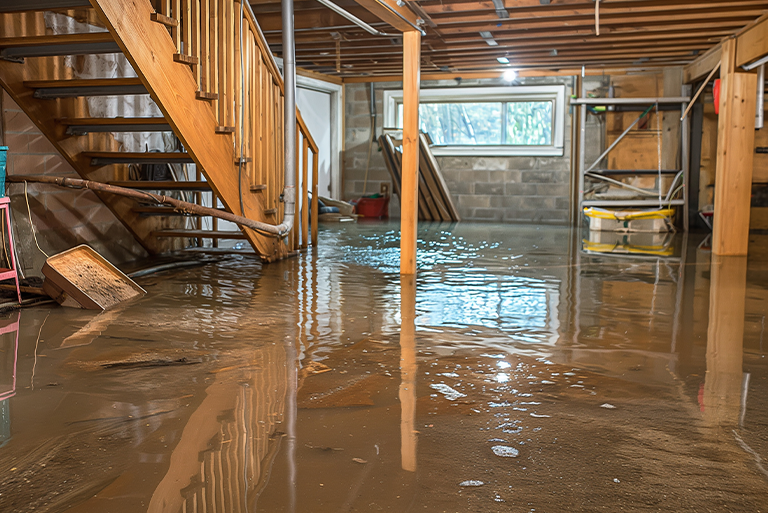
Flooded basements are one of the most urgent and stressful problems a homeowner can face. Water intrusion can lead to severe property damage, mold growth, and even structural issues if not addressed promptly. Understanding and implementing effective flooded basement cleanup strategies is essential for protecting your home and ensuring safety. In this article, we will explore key steps and best practices to respond quickly and efficiently when a basement floods.
Assessing the Situation Immediately
The first step in any flooded basement cleanup is a quick assessment of the situation. Safety should always be your top priority. Check for any electrical hazards, such as submerged outlets or appliances. If electrical systems are compromised, turn off the power at the main breaker before entering the flooded area. Next, evaluate the source of the flooding. Whether it’s due to heavy rainfall, a burst pipe, or a sewer backup, understanding the origin of the water is crucial for determining the appropriate cleanup approach.
In this phase, also take note of valuable items or furniture that need immediate protection or relocation. Removing these items from the water will prevent further damage and simplify the cleaning process later.
Removing Water Quickly
Speed is essential when it comes to flooded basement cleanup. Standing water can cause significant damage to flooring, walls, and personal belongings. The fastest method for removing water depends on the depth of the flood. For minor flooding, a wet/dry vacuum may suffice. In cases of deeper flooding, submersible pumps or professional water extraction services are often required.
When using equipment for water removal, always follow safety precautions. Wearing waterproof boots, gloves, and protective clothing is recommended. This step should focus on reducing water levels as quickly as possible to prevent further damage and minimize the risk of mold growth.
Drying and Dehumidifying
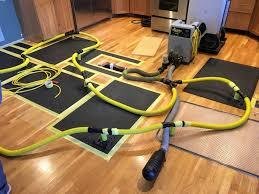
After most of the water has been removed, drying out the basement becomes the next priority. Flooded basement cleanup requires thorough drying to prevent mold and mildew. Open windows and doors to encourage air circulation if the weather permits. High-capacity fans and commercial dehumidifiers can significantly accelerate the drying process.
Pay special attention to hidden areas such as under carpets, behind baseboards, and inside wall cavities. Water can seep into these spaces and lead to mold infestations if left untreated. Continuous monitoring of moisture levels in the basement is important during this stage to ensure complete drying.
Cleaning and Sanitizing
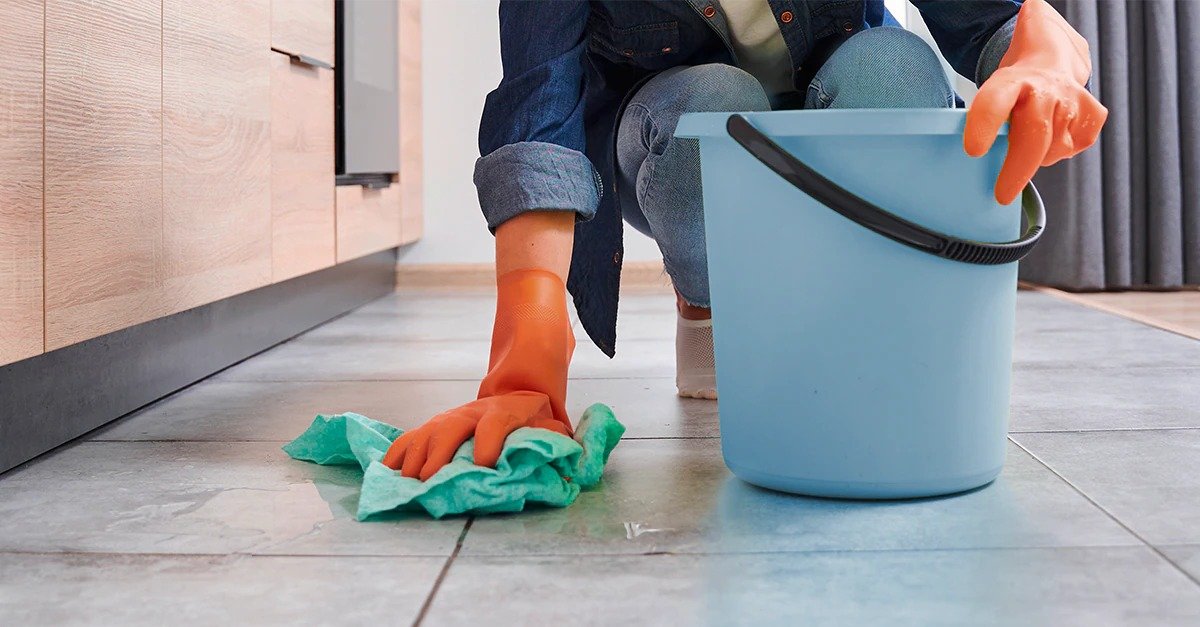
Once the basement is dry, cleaning and sanitizing surfaces is critical for health and safety. Floodwater often contains contaminants, especially if it came from a sewer backup or outdoor runoff. Use a disinfectant solution to clean all hard surfaces, including floors, walls, and shelves. Soft materials like carpets and upholstery may need professional cleaning or replacement depending on the extent of water damage.
Proper sanitation helps prevent the growth of bacteria and mold. For areas exposed to contaminated water, consider wearing protective gear such as masks and gloves to reduce the risk of infection. Flooded basement cleanup is not only about removing water but also restoring a safe and hygienic environment.
Protecting Structural Integrity
Flooding can weaken the structural components of your basement if not addressed properly. Examine foundation walls, support beams, and flooring for signs of damage. Cracks, warping, or other irregularities may require professional inspection and repair. Addressing structural issues early in the cleanup process helps prevent long-term damage and costly repairs.
In addition, waterproofing measures such as sealing cracks, installing sump pumps, or improving drainage around the foundation can prevent future flooding. These proactive steps are essential for homeowners who want to minimize the risk of recurring basement floods.
Salvaging Belongings
During a flooded basement cleanup, prioritizing which items to salvage is important. Electronics, documents, and furniture are particularly vulnerable to water damage. Quickly removing them from wet areas and applying immediate drying or restoration techniques can save valuable possessions. For items that cannot be restored, safe disposal is necessary to prevent contamination and maintain a clean space.
Professional restoration services often offer specialized techniques for salvaging important belongings. Consulting with experts can ensure a higher chance of recovering items and reducing overall losses.
Creating a Post-Flood Plan
After the immediate cleanup, establishing a post-flood plan is essential. Documenting the damage with photos and notes can help with insurance claims and future preparedness. Review what went wrong and identify areas where improvements can prevent future flooding. Upgrading drainage systems, installing sump pumps, and performing regular basement inspections are effective strategies for reducing flood risks.
Planning ahead also includes creating an emergency response strategy for future incidents. Having the necessary equipment, contact information for restoration professionals, and a clear action plan will make any future flooded basement cleanup faster and less stressful.
Seeking Professional Assistance
While some aspects of flooded basement cleanup can be handled by homeowners, certain situations require professional expertise. Water extraction, mold remediation, and structural repairs are best managed by experienced restoration specialists. Professionals have access to high-grade equipment, knowledge of safety protocols, and techniques that ensure efficient and thorough cleanup.
Hiring a licensed and reputable service ensures that the basement is properly restored and reduces the risk of lingering damage. Even after initial water removal, professional support can provide peace of mind and safeguard your home against future problems.
Conclusion
Quick and efficient flooded basement cleanup is vital for protecting your property, maintaining safety, and preventing long-term damage. By assessing the situation immediately, removing water quickly, thoroughly drying and sanitizing, addressing structural concerns, and salvaging valuable items, homeowners can effectively manage flood incidents. Developing a post-flood plan and seeking professional assistance when needed further enhances the recovery process.
Preparedness, speed, and attention to detail are the keys to successful flooded basement cleanup. Understanding the best practices and having a clear action plan will not only help you recover from a current flood but also minimize the impact of any future incidents. Acting swiftly ensures your basement remains safe, dry, and ready for continued use.