


Expert Mold Damage Remediation Tips for Homeowners
Mold damage is one of the most persistent and damaging problems homeowners can face. Not only does it compromise the structural integrity of your home, but it also poses serious health risks to you and your family. Addressing mold early is crucial, and understanding effective mold damage remediation techniques can save you time, money, and stress in the long run.
Understanding the Risks of Mold Damage
Mold thrives in damp, humid, and poorly ventilated areas. Common places in homes include basements, bathrooms, kitchens, and areas affected by leaks. Mold spores are microscopic, and once they settle, they can multiply quickly, causing visible growth and an unpleasant musty odor.
The health risks of mold exposure are significant. It can trigger allergies, respiratory issues, skin irritation, and even exacerbate asthma symptoms. Long-term exposure can lead to more severe conditions, particularly in children, the elderly, or people with compromised immune systems. Recognizing the signs early, such as discoloration, musty smells, or water damage, is vital for effective mold damage remediation.
Assessing the Extent of Mold Infestation
Before taking action, homeowners need to determine the extent of the mold problem. Minor mold growth may be manageable with DIY methods, but extensive infestations often require professional intervention. Start by inspecting areas prone to moisture, including behind cabinets, under sinks, and around windows. Check for hidden leaks in plumbing and roofs, as these can be breeding grounds for mold.
Professional mold inspection services can also help identify the type of mold and the severity of contamination. Some molds, like black mold, can be particularly hazardous and require specialized remediation techniques. Knowing the scope of the problem ensures that remediation is thorough and prevents recurrence.
Preparing for Mold Damage Remediation
Preparation is key to successful mold damage remediation. Begin by removing personal items and furniture from affected areas. Cover unmovable items with plastic sheeting to prevent spores from spreading. Wear protective gear such as gloves, masks, and goggles to minimize exposure to mold spores.
Ensure proper ventilation in the area by opening windows and using fans. If the mold is extensive, sealing off the contaminated area with plastic sheeting and tape can prevent spores from spreading to other parts of the house. These precautions help protect both your health and the home during the remediation process.
Effective Cleaning and Removal Techniques
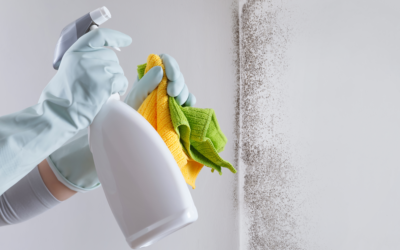
For small mold infestations, homeowners can use a combination of cleaning solutions and scrubbing techniques. Mild detergents or specialized mold removal products can be applied to hard surfaces, followed by thorough scrubbing. After cleaning, it’s important to dry the area completely to prevent mold from returning.
Porous materials like drywall, carpets, and insulation that have been heavily affected may need to be removed entirely. Mold can penetrate deeply into these materials, making surface cleaning ineffective. Proper disposal of contaminated items is crucial to avoid spreading spores throughout the home.
Addressing Moisture Problems
Mold growth is always linked to excess moisture. To prevent recurrence after remediation, it’s essential to address the root cause of the problem. Check for plumbing leaks, roof damage, or poor drainage around the house. Installing dehumidifiers in humid areas and improving ventilation in bathrooms and kitchens can significantly reduce the risk of future mold growth.
Regular maintenance, such as cleaning gutters, sealing windows, and repairing leaks promptly, ensures that your home stays dry and mold-free. This proactive approach complements mold damage remediation efforts and protects your investment.
Using Professional Mold Remediation Services
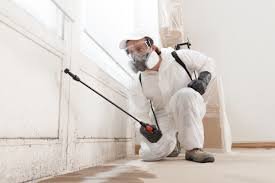
In cases of extensive or hazardous mold growth, professional mold remediation services are often the best option. Experts have the tools, training, and experience to handle serious infestations safely and effectively. Professional remediation includes containment, removal, cleaning, and restoration of affected areas.
Professionals also use specialized equipment like HEPA vacuums, air scrubbers, and industrial-grade cleaning solutions to ensure that mold spores are completely removed. Hiring a certified mold remediation company provides peace of mind and guarantees that the problem is addressed thoroughly.
Preventive Measures for Long-Term Protection
Once mold has been removed, taking preventive measures is essential. Regularly inspect areas prone to moisture and address leaks promptly. Ensure proper ventilation in all rooms, especially kitchens, bathrooms, and basements. Using mold-resistant paints and materials during renovations can provide an added layer of protection.
Keeping humidity levels below 60% inside your home is another effective preventive strategy. Air conditioners, dehumidifiers, and proper ventilation all contribute to maintaining a dry, mold-resistant environment. Preventive maintenance not only reduces the risk of mold but also enhances the overall health and comfort of your home.
When to Seek Expert Advice
Even after taking all precautions, mold can sometimes return or hide in hard-to-reach areas. If you notice persistent odors, discoloration, or health symptoms linked to mold exposure, it’s crucial to consult experts. Early intervention prevents minor mold issues from becoming major structural and health hazards.
Professional mold damage remediation specialists can perform thorough assessments, identify hidden infestations, and implement long-term solutions tailored to your home. Their expertise ensures that mold is eliminated safely and effectively, protecting both your property and your family’s health.
Conclusion
Mold damage remediation is a critical part of maintaining a safe and healthy home. Understanding the risks, identifying infestations early, using proper cleaning and removal techniques, addressing moisture issues, and employing preventive measures are all essential steps in the process. While small infestations can sometimes be handled by homeowners, professional help is invaluable for extensive or hazardous mold growth.
By taking mold seriously and following these expert tips, homeowners can protect their homes from damage, safeguard their family’s health, and ensure long-term peace of mind. Mold damage remediation may seem daunting, but with the right approach, it’s a manageable challenge that can be effectively overcome.