





A Practical Brokers Guide to Choosing the Right Trading Account
Opening a trading account is an important step for anyone who wants to participate in financial markets. Whether you are interested in stocks, currencies, commodities, indices, or other instruments, choosing the right broker can have a major impact on your overall trading experience. A broker provides the platform, tools, market access, and account services that allow traders to execute transactions.
However, selecting a suitable broker should not be based only on attractive advertisements or low fees. Traders should carefully evaluate several factors before depositing money or placing their first trade. A thoughtful brokers comparison can make it easier to identify the services, costs, features, and protections that best match individual needs.
Understand What a Trading Broker Does
A trading broker acts as an intermediary between traders and financial markets. Depending on the type of broker and market, it may provide access to securities, foreign exchange, derivatives, commodities, or other financial products.
Modern brokers typically offer online trading platforms where clients can analyze markets, place orders, monitor positions, and manage their accounts. Some also provide educational materials, research tools, market analysis, and customer support.
Because brokers can differ considerably in their services, comparing them before opening an account is an essential part of the decision-making process.
Check Regulation and Reputation
One of the first factors to investigate is whether the broker is properly regulated by a recognized financial authority. Regulation can provide important protections and establishes standards that the broker must follow.
Before registering, check the broker’s regulatory status through the relevant official authority. Look at the legal entity that will hold your account rather than relying solely on the broker’s brand name.
Reputation also matters. Search for information about the broker’s history, operational record, customer service, and any significant regulatory actions. A company with transparent ownership and clear regulatory information is generally easier to evaluate than one that provides limited details.
Compare Trading and Account Costs
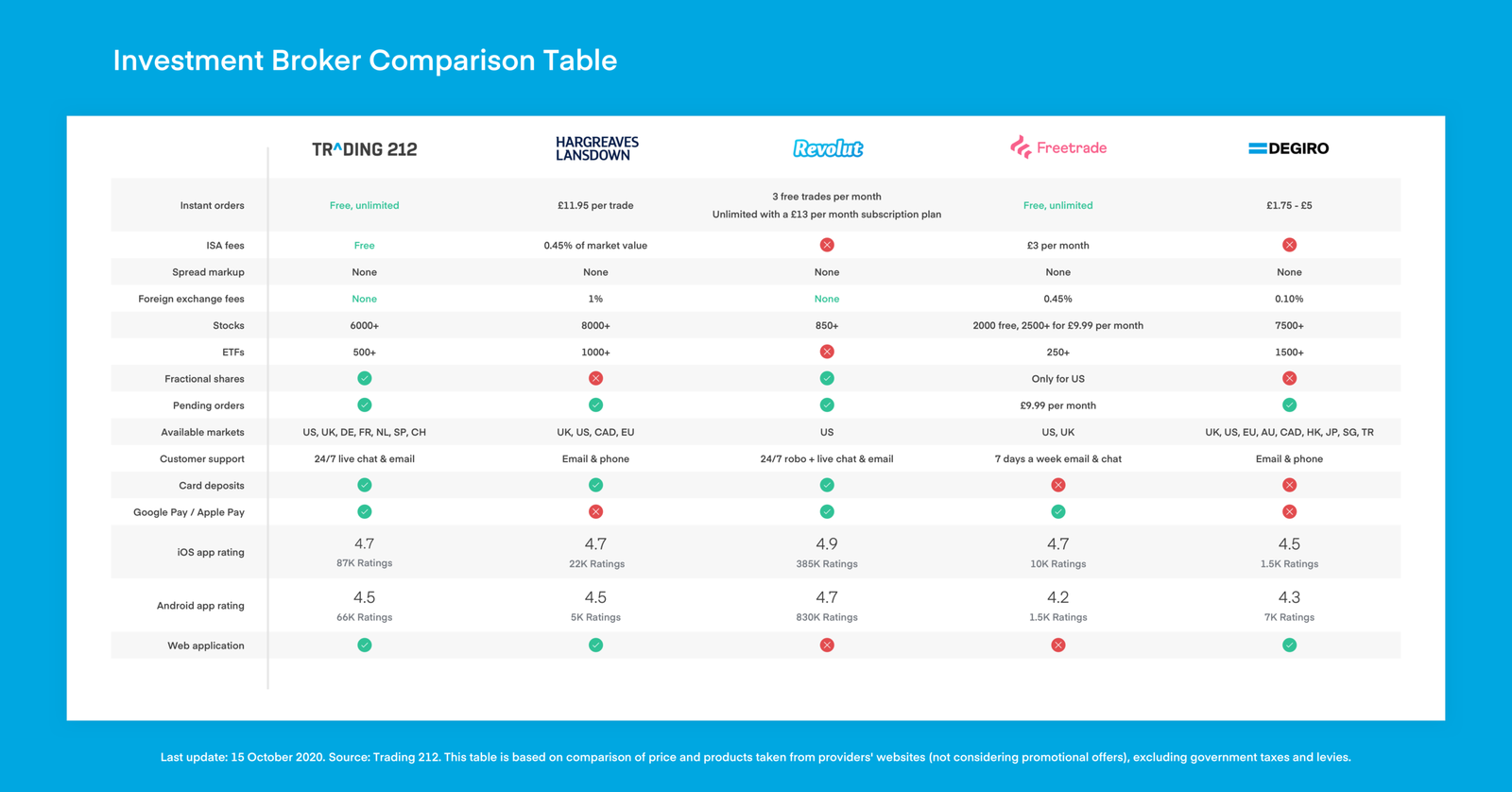
Costs can significantly affect trading results, especially for active traders. During a brokers comparison, examine the complete fee structure rather than focusing on a single advertised commission.
Potential costs can include spreads, commissions, overnight financing charges, account fees, withdrawal fees, currency-conversion costs, and inactivity charges. The cheapest broker in one category may not necessarily be the least expensive overall.
For example, a broker offering very low commissions may have wider spreads or additional account charges. Another broker may charge a commission but offer tighter spreads. Understanding the total cost of trading provides a more realistic basis for comparison.
Evaluate the Trading Platform
The trading platform is where most of your market activity will take place, so usability is extremely important. A good platform should make it straightforward to monitor prices, analyze charts, place orders, and manage open positions.
Look for features such as customizable charts, technical indicators, different order types, watchlists, price alerts, and portfolio-management tools. Mobile access can also be useful for traders who need to monitor positions while away from their computers.
A platform that looks impressive but feels complicated may not be suitable for a beginner. Whenever possible, explore a demonstration account before committing real money.
Review Available Markets and Products
Not every broker offers access to the same markets. Before opening an account, determine whether the broker supports the financial instruments you actually intend to trade.
Some brokers specialize in particular markets, while others provide broader access. If you plan to diversify later, choosing a broker with a suitable range of products may save you from having to open another account.
However, having access to many products does not automatically make a broker better. The quality of execution, pricing, platform, and regulatory protections should remain important considerations.
Examine Account Types and Minimum Deposits
Brokers may provide several account options designed for different types of traders. These can vary according to minimum deposits, pricing structures, available products, leverage, platform features, or other conditions.
Pay attention to minimum funding requirements and make sure they fit your financial situation. You should never feel pressured to deposit more money simply to access a particular account type.
A broker should provide clear information about account requirements before registration. If important conditions are difficult to find or understand, that may be a reason to investigate further.
Consider Deposits and Withdrawals
Funding and withdrawing money should be convenient and transparent. Check which payment methods are available, what fees may apply, and how long transactions typically take.
Withdrawal policies deserve particular attention. Read the broker’s terms carefully to understand verification requirements, processing procedures, and any restrictions.
Never choose a broker solely because depositing money is easy. The ability to withdraw funds efficiently is equally important.
Assess Customer Support
Reliable customer support can become valuable when you encounter a technical or account-related problem. During your brokers comparison, consider the available support channels, such as email, telephone, or live chat.
Also look at the broker’s support hours and the quality of its help resources. A company that provides clear answers and useful educational documentation may offer a better overall experience than one that is difficult to contact.
Understand Leverage and Risk
Leverage allows traders to control a larger position with a smaller amount of capital, but it also increases potential losses. Beginners should understand how leverage works before using it.
Do not select a broker simply because it advertises high leverage. Higher leverage can make a trading account more vulnerable to rapid losses.
Review the broker’s leverage conditions, margin requirements, and risk-management features. Understanding these terms before trading can help prevent unexpected account losses.
Look at Research and Educational Resources
Educational and analytical tools can be especially useful for new traders. Some brokers provide market news, economic calendars, trading tutorials, webinars, research reports, and analytical tools.
These resources should not be viewed as guarantees of successful trades. Instead, they can help traders develop their knowledge and make more informed decisions.
A strong educational offering can be a useful advantage when comparing brokers, particularly for someone who is still learning how financial markets operate.
Read the Terms Before Opening an Account
Before completing registration, carefully read the broker’s terms, fee schedule, privacy information, risk disclosures, and other important documentation.
Pay attention to details that may be easy to overlook, including account maintenance charges, withdrawal rules, financing costs, and conditions surrounding dormant accounts.
Do not rush through the registration process simply because opening an account appears quick. Taking time to understand the agreement can prevent unpleasant surprises later.
Make a Balanced Broker Comparison
A proper brokers comparison should consider the complete trading experience rather than one attractive feature. Regulation, costs, platforms, available markets, customer service, funding options, educational resources, and risk controls all deserve attention.
It can be useful to create a simple checklist and score each broker according to the features that matter most to you. A long list of features is less important than finding a broker whose services actually fit your trading objectives.
Most importantly, avoid making a decision based on promises of guaranteed profits. Financial markets involve risk, and no legitimate broker can guarantee trading success.
Final Thoughts
Choosing a trading broker is a decision that deserves careful research. Regulation, fees, platform quality, market access, account requirements, withdrawals, customer support, and risk-management tools can all influence your experience.
A detailed brokers comparison allows traders to move beyond advertising claims and examine the practical differences between available options. Before opening an account, take time to investigate the broker, understand its costs and conditions, and determine whether its services match your goals and level of experience.
The right broker cannot eliminate market risk, but choosing a transparent and suitable provider can give traders a stronger foundation for managing their accounts responsibly.