


Important Things to Know Before Choosing Transmission Repair Near I-17 Phoenix
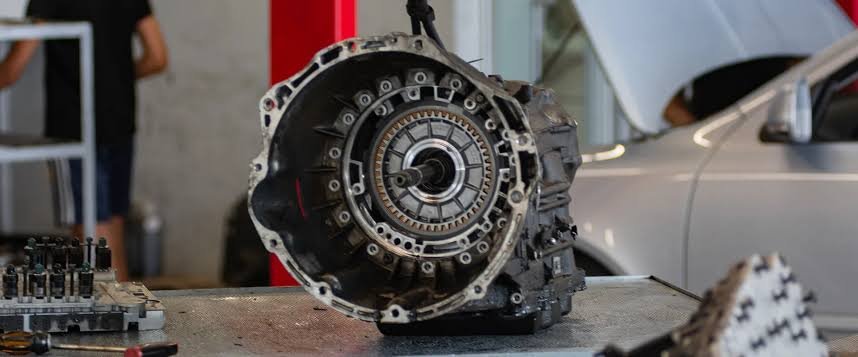
When your vehicle starts shifting roughly, slipping between gears, making unusual noises, or showing signs of a transmission fluid leak, finding the right repair shop becomes a priority. Choosing a repair facility near a major roadway such as Interstate 17 can be convenient, especially for Phoenix drivers who need quick access to professional automotive services. However, convenience should not be the only factor when selecting a repair provider.
Understanding what to look for before scheduling service can help you avoid unnecessary expenses, poor workmanship, and repeated transmission problems. Whether your vehicle has an automatic or manual transmission, taking time to evaluate a repair shop can make the entire experience easier and more predictable.
Understand the Transmission Problem First
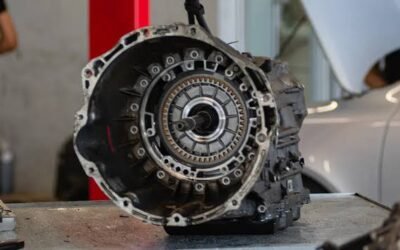
Before searching for transmission repair, pay attention to the symptoms your vehicle is experiencing. Common warning signs include delayed engagement, slipping gears, harsh shifting, grinding sounds, burning odors, leaking fluid, unusual vibrations, and difficulty moving into reverse.
You do not necessarily need to diagnose the problem yourself. However, knowing what you have noticed can help a technician understand the situation more quickly.
For example, if the vehicle hesitates before moving after you shift into drive, mention exactly when the problem occurs. If the transmission slips only when accelerating uphill, provide that information as well. Detailed observations can help a technician perform a more focused inspection.
Consider the Shop’s Experience
Transmission systems are complex and require specialized knowledge. A general automotive shop may handle basic maintenance, but transmission-specific problems can require advanced diagnostic equipment and experience.
When evaluating a shop, ask how long the technicians have been working with transmission systems and whether they regularly service your vehicle’s make and model. Experienced technicians should be comfortable explaining potential causes and outlining the diagnostic process.
A professional repair facility should also be willing to explain whether the problem appears to involve internal transmission components, electronic controls, fluid issues, or another part of the drivetrain.
Look for Proper Diagnostic Procedures
A quality transmission repair begins with accurate diagnosis. Replacing expensive components without determining the actual cause can lead to unnecessary costs.
A technician may inspect fluid condition, scan the vehicle’s computer system, examine transmission components, test drive the vehicle, and look for leaks or other mechanical concerns. The exact diagnostic process depends on the symptoms and vehicle.
Ask whether diagnostic fees apply before approving the inspection. Knowing the process and potential charges in advance can prevent surprises later.
Check the Shop’s Location and Accessibility
For Phoenix drivers, location can be particularly important. Searching for transmission repair near I-17 Phoenix can help you identify a facility that is accessible from one of the city’s major transportation routes.
A conveniently located shop may be valuable if your vehicle is experiencing serious transmission trouble and you do not want to drive a long distance. However, accessibility should be considered alongside reputation, qualifications, services, and customer support.
If your vehicle is unsafe to drive because of severe slipping, leaking fluid, or a complete loss of movement, ask the repair facility whether towing or vehicle transport options are available.
Ask About Repair Options
Not every transmission problem requires a complete replacement. Depending on the diagnosis, a repair might involve fluid service, a seal replacement, an electronic component, a solenoid, or another individual part.
In more serious cases, rebuilding or replacing the transmission may be necessary. A trustworthy technician should explain the available options instead of immediately recommending the most expensive solution.
Ask the technician to explain why a particular repair is recommended and what could happen if you delay the repair. This information can help you make a more informed decision.
Compare Repair and Replacement Costs
Transmission work can range from relatively simple maintenance to major mechanical repairs. Because costs can vary considerably, obtaining a detailed estimate is important.
The estimate should ideally explain labor, parts, diagnostic charges, fluids, and other applicable expenses. If additional problems are discovered after disassembly, the shop should communicate with you before performing work that increases the final bill.
Do not automatically choose the lowest estimate. A significantly cheaper quote may not include the same parts, warranty coverage, labor, or services as another estimate.
Ask About Parts and Warranty Coverage
Another important consideration is the quality of replacement parts. Depending on the repair, a shop may use original equipment, aftermarket, rebuilt, or remanufactured components.
Ask what type of parts will be installed and whether the repair includes a warranty. Warranty terms can vary by shop and type of repair, so request the details in writing.
A warranty can provide additional confidence, but you should understand exactly what it covers, how long it lasts, and whether there are conditions that could affect coverage.
Evaluate Customer Reviews Carefully
Online reviews can provide useful information about a repair shop, but they should not be the only factor in your decision.
Look for consistent comments about communication, diagnostic accuracy, pricing transparency, repair quality, and customer service. Pay attention to how the business responds to negative reviews as well. A professional response that attempts to address concerns can provide useful insight into the company’s approach to customer service.
It is also helpful to look for reviews from customers with vehicles or transmission problems similar to yours.
Pay Attention to Communication
Good communication is one of the most important parts of automotive repair. A technician should be able to explain the problem in language that is understandable without overwhelming you with unnecessary technical terms.
Before approving work, make sure you understand what needs to be repaired, why it needs to be repaired, how much it is expected to cost, and how long the repair may take.
If a shop refuses to answer basic questions or pressures you to approve expensive work immediately, consider getting another professional opinion.
Ask About the Expected Timeline
Transmission repairs can take different amounts of time depending on the problem and availability of parts. A simple service may be completed relatively quickly, while a rebuild or replacement can require considerably more time.
Ask for an estimated completion time, but understand that unexpected findings can change the schedule. A reliable repair facility should keep you informed if the timeline changes.
Do Not Ignore Early Warning Signs
Transmission problems rarely become less serious simply because they are ignored. A small leak, unusual shifting pattern, or intermittent hesitation may indicate an issue that could become more expensive if left untreated.
If you notice a new transmission-related symptom, have the vehicle inspected as soon as practical. Early diagnosis may give you more repair options and potentially prevent additional damage.
Phoenix’s hot climate can also place demanding conditions on vehicles. Maintaining appropriate fluid levels and following the manufacturer’s recommended maintenance schedule can help support long-term transmission performance.
Choose Quality Over Convenience Alone
Finding a repair facility close to I-17 can save time, but proximity should never be the only reason you choose a shop. The best decision combines accessibility with technician experience, diagnostic capabilities, transparent pricing, quality parts, warranty coverage, and positive customer experiences.
Before committing to repairs, take a few minutes to ask questions and compare your options. A reputable transmission specialist should be willing to explain the diagnosis and provide a clear path forward.
Final Thoughts
Choosing transmission repair near I-17 Phoenix should involve more than finding the closest available shop. Your transmission is a critical component of your vehicle, and repairs can become expensive when problems are misdiagnosed or addressed incorrectly.
Start by identifying the symptoms, research the shop’s experience, ask about diagnostic procedures, compare detailed estimates, understand warranty terms, and evaluate customer feedback. Most importantly, choose a repair facility that communicates clearly and gives you confidence in the recommended solution.
With careful research and timely attention to transmission problems, Phoenix drivers can make better repair decisions and help protect their vehicles from more serious drivetrain issues in the future.