





Word Scramble Puzzles: Fun Ways to Boost Your Brain
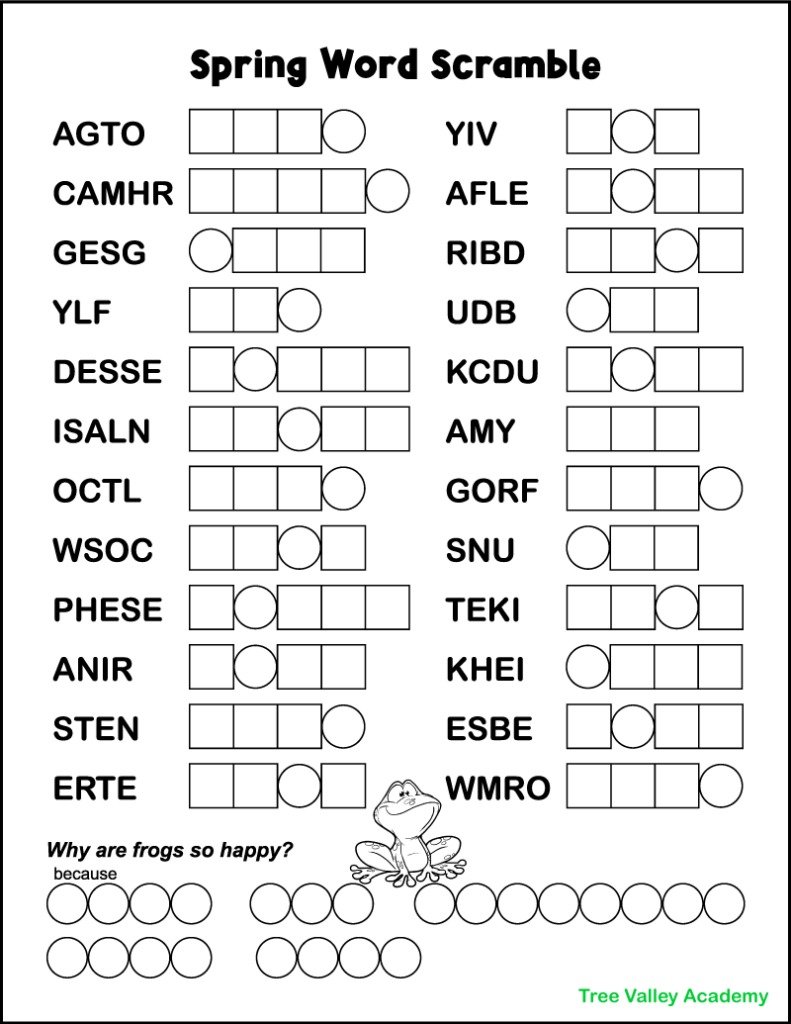
Word scramble puzzles are one of the simplest yet most effective ways to challenge your mind while having fun. They involve rearranging jumbled letters to form meaningful words, and although they may look easy at first glance, they can quickly become tricky and highly engaging. These puzzles are widely used in classrooms, mobile apps, newspapers, and brain-training books because they combine entertainment with cognitive development.
What Are Word Scramble Puzzles
Word scramble puzzles are word games where letters are mixed up and the player must rearrange them into correct words. For example, the scrambled word “LPAEP” becomes “APPLE.” The difficulty can vary from very simple everyday words to complex vocabulary that requires strong language skills and pattern recognition.
These puzzles are often used in educational settings to help learners improve spelling, vocabulary, and problem-solving abilities. They are also popular among adults looking for relaxing yet mentally stimulating activities. Whether on paper or digital platforms, word scramble puzzles are accessible to nearly everyone.
How Word Scramble Puzzles Improve Brain Function
Engaging with word scramble puzzles activates multiple areas of the brain at once. The process of decoding jumbled letters requires visual recognition, memory recall, and logical reasoning. This combination helps strengthen neural connections and improves cognitive flexibility.
When solving word scramble puzzles, the brain searches for familiar patterns, tests possibilities, and eliminates incorrect combinations. This mental exercise enhances problem-solving speed and boosts analytical thinking. Over time, regular practice can improve attention span and sharpen focus.
Additionally, these puzzles stimulate the left hemisphere of the brain, which is responsible for language processing, while also engaging the right hemisphere, which handles creativity and pattern recognition. This balanced brain activity makes word scramble puzzles an excellent full-brain workout.
Benefits of Solving Word Scramble Puzzles
One of the biggest benefits of word scramble puzzles is vocabulary enhancement. Players are often introduced to new words or reminded of forgotten ones, improving their language skills naturally. This makes them especially useful for students and language learners.
Another major benefit is stress relief. Focusing on rearranging letters helps distract the mind from daily worries, providing a calming effect similar to meditation. Many people use word scramble puzzles as a way to unwind after a long day.
These puzzles also improve memory retention. The brain learns to recognize letter patterns more quickly, which strengthens both short-term and long-term memory. For older adults, this can be particularly helpful in maintaining cognitive health and reducing the risk of mental decline.
Finally, word scramble puzzles encourage patience and persistence. Since some puzzles are not solved immediately, they teach players to keep trying different combinations until they succeed.
Strategies for Solving Word Scramble Puzzles
To become better at word scramble puzzles, it helps to use a few simple strategies. One effective method is to look for common prefixes and suffixes such as “re,” “un,” “ing,” or “ed.” Recognizing these patterns can quickly narrow down possibilities.
Another strategy is to identify vowels first. Since most English words contain vowels, spotting them early can help structure the rest of the word. Grouping consonants together can also reveal familiar sound patterns.
Breaking longer puzzles into smaller parts is another useful technique. Instead of trying to solve the entire scrambled word at once, focus on smaller combinations and build from there. This step-by-step approach makes difficult word scramble puzzles more manageable.
Practicing regularly is also key. The more exposure you have to word scramble puzzles, the faster your brain becomes at recognizing patterns and solving them efficiently.
Word Scramble Puzzles for All Ages
One of the reasons word scramble puzzles remain so popular is their universal appeal. Children enjoy them because they are fun and help improve spelling skills. Teachers often use them in classrooms as interactive learning tools that keep students engaged.
Teenagers benefit from word scramble puzzles by expanding their vocabulary and improving exam performance, especially in language-based subjects. These puzzles make learning feel less like studying and more like playing a game.
Adults use word scramble puzzles as a form of mental exercise. Whether during a coffee break or commute, these puzzles provide a quick and satisfying brain challenge. Seniors also find them useful for keeping their minds active and sharp.
Because they can be adjusted in difficulty, word scramble puzzles are suitable for every age group, making them one of the most inclusive brain games available.
Digital vs Traditional Word Scramble Puzzles
With the rise of technology, word scramble puzzles are now widely available in digital formats. Mobile apps and online games offer interactive features, timers, and competitive leaderboards. These digital versions often include hints and progressive difficulty levels, making them more dynamic.
Traditional paper-based word scramble puzzles, however, still hold strong appeal. Many people prefer solving them in newspapers, books, or printed worksheets because they provide a break from screen time. Writing answers by hand can also enhance memory retention.
Both formats offer the same cognitive benefits, so the choice depends on personal preference. Some players even enjoy switching between digital and traditional word scramble puzzles for variety.
Tips to Get Better at Word Scramble Puzzles
Improving at word scramble puzzles requires a mix of practice and smart techniques. One helpful tip is to start with shorter words before moving on to longer ones. This builds confidence and strengthens basic skills.
Another tip is to say the letters out loud. Hearing them can sometimes trigger recognition of familiar words that are not immediately visible. Visualization also helps, so imagining different letter combinations can lead to quicker solutions.
Using a process of elimination is also effective. If certain combinations clearly do not form valid words, removing them narrows down the possibilities. Over time, this method becomes more intuitive.
Finally, staying consistent is important. Even a few minutes of daily practice with word scramble puzzles can significantly improve performance and mental agility.
Conclusion
Word scramble puzzles are more than just simple games; they are powerful tools for enhancing brain function, improving vocabulary, and providing mental relaxation. Their ability to engage multiple cognitive skills at once makes them valuable for people of all ages.
Whether you prefer solving them on paper or through digital platforms, word scramble puzzles offer endless opportunities for learning and entertainment. By practicing regularly and using effective strategies, anyone can improve their skills and enjoy the many benefits these puzzles provide.
In a fast-paced world where mental sharpness is essential, word scramble puzzles remain a timeless and enjoyable way to keep the brain active, alert, and healthy.