



DIY vs Professional Water Extraction: What You Need to Decide
Water damage can strike unexpectedly, whether from a burst pipe, heavy rainfall, or accidental spills. When facing a situation where your home or property has excess water, one of the most crucial decisions you must make is whether to handle water extraction yourself or hire a professional. Both approaches have their benefits and limitations, and understanding them will help you make an informed choice. In this article, we will explore the pros and cons of DIY versus professional water extraction, the risks involved, and factors to consider before making a decision.
Understanding Water Extraction
Water extraction is the process of removing excess water from a property to prevent structural damage, mold growth, and other long-term problems. It is a critical step in mitigating water damage, and timing is essential. The longer water sits in a home or business, the more extensive the damage becomes. Proper water extraction often involves using specialized equipment such as pumps, wet vacuums, and dehumidifiers to remove water efficiently and dry the area completely.
DIY Water Extraction: When It Works
Many homeowners consider attempting water extraction themselves, especially for minor flooding or small spills. DIY water extraction can be cost-effective and gives a sense of control over the cleanup process.
For small-scale incidents, such as a minor leak or a few inches of water in a basement, DIY methods can include mopping, using towels, and applying wet/dry vacuums to remove water. Portable dehumidifiers and fans can help speed up the drying process. Some homeowners even rent specialized water extraction equipment from local hardware stores.
DIY water extraction is practical for:
- Minor water spills or leaks
- Small basement flooding
- Quick cleanup before the damage spreads
The advantages of DIY water extraction include lower immediate costs and the ability to start the process immediately. Additionally, some homeowners enjoy tackling home improvement projects themselves, including emergency cleanup tasks.
Limitations and Risks of DIY Water Extraction
Despite the potential benefits, DIY water extraction comes with significant limitations. Homeowners often underestimate the time, effort, and technical skills required to remove water thoroughly. Incomplete drying can lead to mold growth, structural damage, and lingering odors.
Another major risk is exposure to contaminated water. Floodwater, for example, may contain sewage, chemicals, or bacteria that pose serious health risks. Without proper protective gear and knowledge, DIY water extraction can become dangerous.
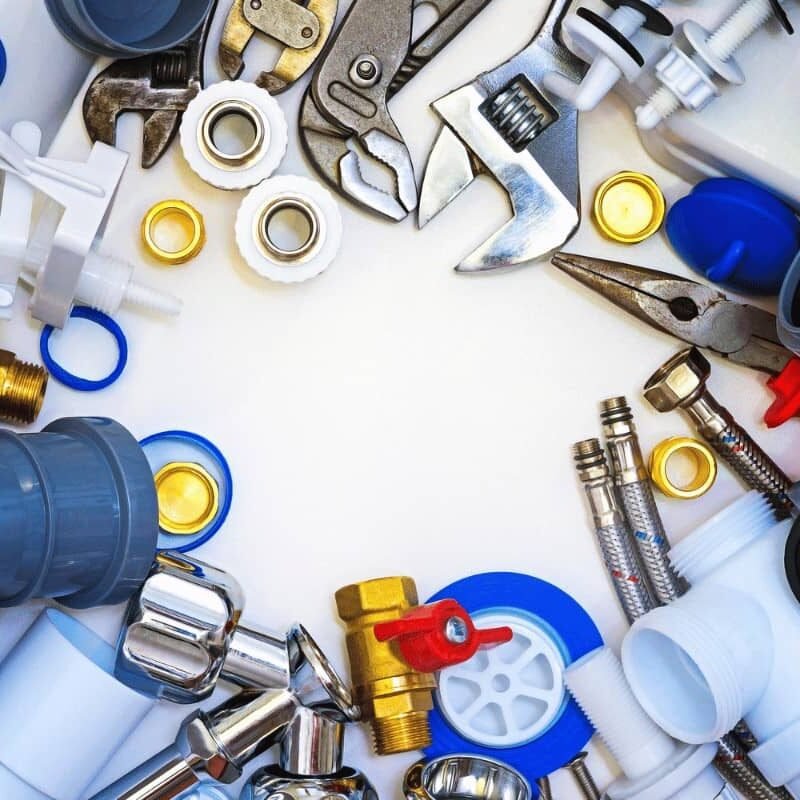
DIY methods also typically lack the powerful equipment used by professionals. Industrial-grade pumps, high-capacity dehumidifiers, and moisture meters are essential to ensure that all affected areas, including hidden spaces behind walls and under flooring, are thoroughly dried. Missing even small pockets of moisture can compromise your home’s safety and structural integrity.
Professional Water Extraction: Benefits
Hiring a professional water extraction service offers significant advantages, particularly for larger or more complex water damage situations. Professionals have the experience, tools, and knowledge to handle water extraction efficiently and safely.
Key benefits of professional water extraction include:
- Advanced equipment: Professionals use high-capacity pumps, industrial dehumidifiers, and moisture detection devices that far exceed the capabilities of consumer-grade tools.
- Thorough drying: Professionals ensure that water is removed from every affected area, including hidden spaces, preventing mold and long-term damage.
- Health and safety: Trained technicians follow safety protocols, wear protective gear, and handle contaminated water appropriately.
- Faster restoration: With professional equipment and experience, the drying and restoration process is completed more quickly, reducing the risk of secondary damage.
Professional water extraction is especially important for situations such as:
- Extensive flooding or standing water over multiple rooms
- Water from sewage backups or contaminated sources
- Water damage affecting structural components or electrical systems
- Situations where insurance may require professional documentation
Cost Considerations
Cost is often a significant factor when deciding between DIY and professional water extraction. DIY methods are less expensive upfront, but hidden costs can emerge, such as replacing damaged materials or dealing with mold growth.
Professional services have a higher initial cost, but they often save money in the long run by preventing further damage and ensuring proper restoration. Many insurance policies cover professional water extraction, which can further tip the scale in favor of hiring experts.
Factors to Consider Before Deciding
When deciding whether to attempt DIY water extraction or hire a professional, consider the following factors:
- Severity of water damage: Small spills may be manageable, but extensive flooding requires professional intervention.
- Type of water: Clean water from a leaky pipe may be safe to handle, but gray or black water from sewage or storm flooding should be left to professionals.
- Time and effort: DIY water extraction can be labor-intensive and time-consuming. Professionals can complete the job faster.
- Safety risks: Contaminated water, slippery surfaces, and electrical hazards increase the risk of injury.
- Long-term implications: Incomplete drying can lead to mold growth, structural issues, and lingering odors. Professionals minimize these risks.
Signs You Need Professional Help
Certain signs indicate that professional water extraction is necessary:
- Standing water deeper than a few inches
- Water affecting multiple rooms or floors
- Persistent dampness or musty odors after DIY attempts
- Visible mold growth or risk of mold development
- Water from contaminated sources or sewage backups
Recognizing these signs early can prevent costly repairs and health hazards.
Preparing for Water Extraction
Whether you choose DIY or professional water extraction, preparation is key. Remove valuable items, turn off electricity in affected areas, and ventilate spaces as much as possible. For DIY efforts, gather tools such as wet/dry vacuums, mops, buckets, fans, and dehumidifiers. If hiring professionals, ensure you understand the scope of services and confirm insurance coverage.
Conclusion
Choosing between DIY and professional water extraction requires careful consideration of the severity of water damage, potential risks, and long-term implications. While DIY may be suitable for minor incidents, professional services provide expertise, advanced equipment, and comprehensive drying solutions that prevent further damage and safeguard your property. Understanding the benefits and limitations of each approach will help you make the best decision for your home, health, and wallet. In the end, water extraction is not just about removing water—it’s about protecting your home and ensuring it remains safe and structurally sound for years to come.
If water has entered your home, acting quickly is crucial. Assess the situation carefully, consider the factors outlined above, and make an informed choice between DIY and professional water extraction. Your home’s safety and your peace of mind depend on it.