





Basement Flood Cleaning: Prevent Mold and Odors Effectively
Basements are often the most vulnerable areas in a home when it comes to flooding. Whether due to heavy rains, plumbing failures, or groundwater seepage, basement flooding can cause significant property damage. More importantly, it can create long-term health hazards if not addressed promptly and properly. Effective basement flood cleaning is essential to prevent mold growth, lingering odors, and structural issues. This article explores strategies, tips, and best practices to handle basement flooding efficiently and maintain a safe, healthy environment.
Understanding the Risks of Basement Flooding
Flooding in basements poses more than just water damage. Standing water can weaken foundations, ruin flooring, and damage personal belongings. The damp environment is ideal for mold and mildew, which can spread quickly if left untreated. Mold spores can lead to allergic reactions, respiratory problems, and other health concerns. Furthermore, stagnant water often produces foul odors that linger long after the water is removed, making basement spaces unpleasant and unusable. Recognizing these risks emphasizes the importance of timely basement flood cleaning.
Immediate Actions After a Basement Flood
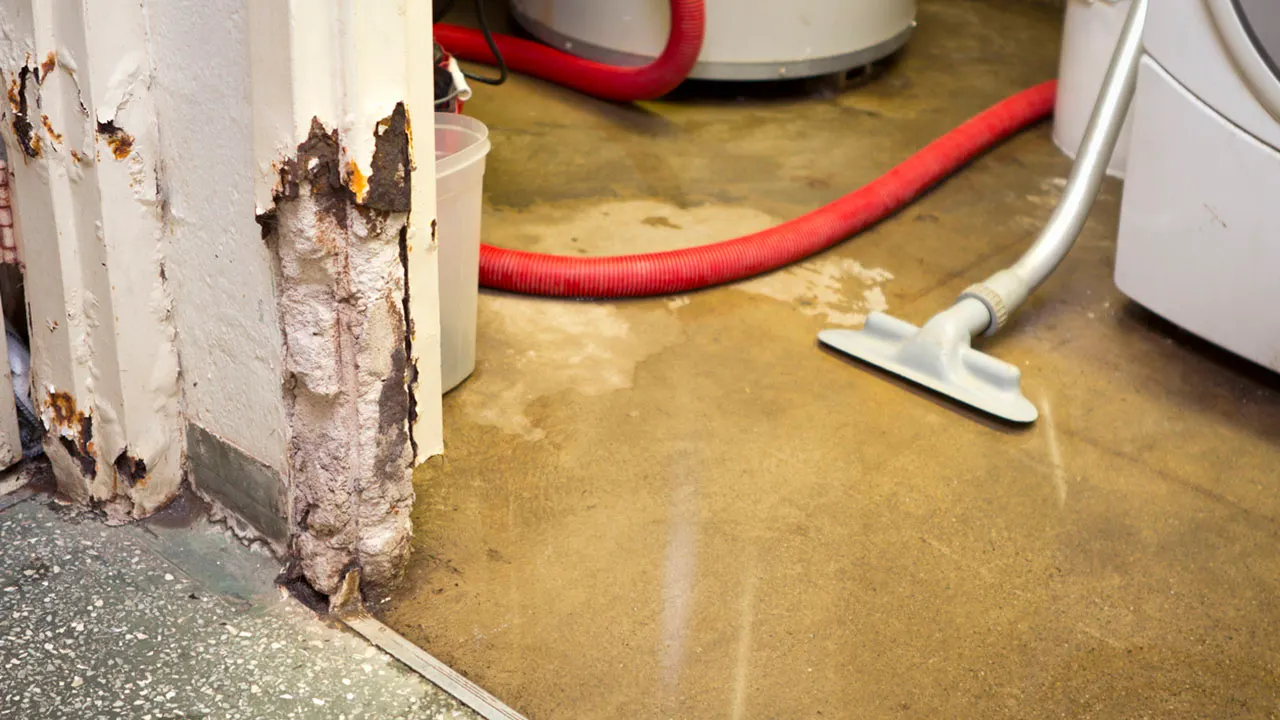
When flooding occurs, the first priority is safety. Turn off electricity to the affected area to avoid the risk of electrical shock. Wear protective gear such as waterproof boots, gloves, and masks to protect against contaminated water and mold spores. After ensuring safety, begin water removal as quickly as possible. The longer water remains in the basement, the greater the risk of structural damage and mold growth. Using pumps, wet/dry vacuums, and buckets can help remove standing water efficiently during basement flood cleaning.
Drying the Basement Thoroughly
After removing water, the next step is drying the space completely. Use fans, dehumidifiers, and open windows if weather permits to promote airflow and moisture reduction. Walls, floors, and furniture should be dried as quickly as possible. Inadequate drying allows mold to develop in hidden areas like behind walls, under carpets, and in insulation. For areas with heavy moisture, professional-grade drying equipment may be necessary. Consistent monitoring of humidity levels ensures the basement remains dry, minimizing the chance of mold growth.
Mold Prevention Strategies
Mold thrives in damp, dark environments, making basements highly susceptible. Effective basement flood cleaning includes steps to prevent mold before it takes hold. Remove wet carpets, drywall, and insulation that cannot be thoroughly dried. Clean and disinfect all surfaces using mold-killing solutions, including walls, floors, and furniture. Consider using anti-microbial sprays or mold-resistant paints to provide additional protection. Regularly inspect the basement after cleaning to ensure no hidden mold patches are developing, especially in corners, behind furniture, and in crawl spaces.
Addressing Odors Post-Flood
Even after water removal and drying, basements can retain unpleasant odors caused by bacteria and mold. To combat this, thoroughly clean all surfaces with appropriate disinfectants. Activated charcoal, baking soda, and commercial odor neutralizers can absorb remaining smells. Proper ventilation plays a crucial role in preventing odors from returning. Keeping the basement dry and using air purifiers can help maintain a fresh environment long after basement flood cleaning.
Professional Basement Flood Cleaning Services
While homeowners can handle minor floods, severe flooding often requires professional intervention. Disaster restoration specialists have the equipment, experience, and chemicals necessary to manage water damage, mold prevention, and odor elimination efficiently. Professional basement flood cleaning ensures thorough water extraction, proper drying, and safe mold remediation. Hiring experts also reduces the risk of long-term damage to your home’s structure and improves indoor air quality.
Maintenance Tips to Prevent Future Flooding
Preventing basement flooding is easier than dealing with its aftermath. Ensure gutters and downspouts are clean and direct water away from the foundation. Seal cracks in basement walls and install sump pumps or backflow valves if necessary. Regular inspections of plumbing systems can help identify potential leaks before they become serious. Keeping the basement well-ventilated and monitoring humidity levels prevents moisture buildup that can lead to mold and odors. Proactive maintenance complements basement flood cleaning efforts and protects your home from recurring problems.
Conclusion
Basement flood cleaning is not just about removing water; it is a comprehensive process aimed at preventing mold, odors, and structural damage. Immediate response, proper drying, mold prevention, and odor management are key steps in restoring a flooded basement to a safe and usable condition. Professional services can provide expertise and equipment for severe cases, while preventive maintenance reduces the likelihood of future flooding. By taking proactive measures and performing thorough basement flood cleaning, homeowners can protect their property, maintain indoor air quality, and ensure a healthy living environment.
Effective basement flood cleaning transforms a potentially hazardous situation into an opportunity to safeguard your home. By addressing water, moisture, mold, and odors promptly, you preserve both the value of your property and the health of your household.