





Essential Medical Equipment Every Hospital Needs in 2026
Modern healthcare is evolving at an unprecedented pace, and hospitals must continuously upgrade their medical equipment to deliver safe, efficient, and high-quality patient care. In 2026, the integration of smart technology, data connectivity, and patient-centered design is shaping the way hospitals select and use equipment. From life-saving emergency tools to advanced diagnostic systems, having the right resources is no longer optional—it is critical for survival, compliance, and better clinical outcomes.
This article explores the essential medical equipment every hospital needs in 2026, highlighting how these tools improve patient care, operational efficiency, and long-term sustainability.
Patient Monitoring Systems
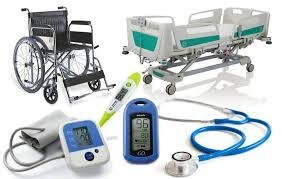
Continuous patient monitoring is the backbone of modern hospital care. Advanced multi-parameter monitors track vital signs such as heart rate, oxygen saturation, respiratory rate, temperature, and blood pressure in real time. In 2026, these systems are smarter and more connected, allowing seamless integration with electronic health records.
Wireless monitoring reduces the need for excessive cables, improving patient mobility and comfort. AI-powered alerts help healthcare providers detect early signs of deterioration, enabling faster intervention and reducing ICU admissions. Investing in high-quality monitoring medical equipment ensures patient safety across emergency rooms, ICUs, operating theatres, and general wards.
Diagnostic Imaging Equipment
Accurate diagnosis begins with reliable imaging technology. Hospitals in 2026 must prioritize advanced imaging systems that provide faster results with lower radiation exposure and higher image clarity.
Essential imaging equipment includes digital X-ray systems, ultrasound machines, CT scanners, and MRI units. Portable imaging devices are also gaining popularity, especially in emergency and critical care settings where moving patients can be risky. These tools help clinicians make informed decisions quickly, reducing diagnostic errors and improving treatment outcomes.
Modern imaging medical equipment is also integrated with cloud-based platforms, allowing specialists to review scans remotely and collaborate across departments or even across countries.
Laboratory and Point-of-Care Testing Equipment
Speed and accuracy in laboratory testing are crucial for effective treatment. Automated analyzers for blood chemistry, hematology, microbiology, and immunology are now standard in modern hospitals. These systems reduce human error, increase throughput, and deliver faster results.
Point-of-care testing devices are equally important. Portable blood gas analyzers, glucose monitors, and rapid infection testing kits enable clinicians to obtain critical data at the patient’s bedside. This reduces waiting times and allows immediate clinical decisions, which is especially important in emergency and intensive care settings.
Reliable laboratory medical equipment supports early diagnosis, infection control, and personalized treatment planning.
Surgical and Operating Room Equipment
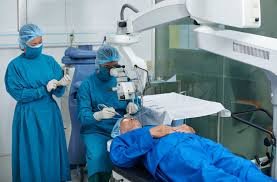
Operating rooms require highly specialized tools to ensure precision, safety, and efficiency. In 2026, surgical environments are becoming more technologically advanced, with a strong focus on minimally invasive procedures.
Key surgical equipment includes anesthesia machines, electrosurgical units, surgical lights, operating tables, and sterilization systems. Laparoscopic and robotic-assisted surgical tools are increasingly common, enabling surgeons to perform complex procedures with smaller incisions, less blood loss, and faster recovery times.
High-quality sterilization medical equipment is essential to prevent hospital-acquired infections and maintain compliance with international safety standards.
Emergency and Life-Support Equipment
Emergency departments must be equipped to handle critical situations at any time. Life-support medical equipment plays a vital role in saving lives during cardiac arrest, respiratory failure, trauma, and other emergencies.
Defibrillators, ventilators, infusion pumps, suction machines, and oxygen delivery systems are fundamental. Automated external defibrillators are now placed throughout hospitals to enable rapid response during cardiac emergencies.
Modern ventilators are more intelligent, offering adaptive ventilation modes and real-time monitoring to improve patient outcomes. Reliable emergency equipment ensures hospitals can respond quickly and effectively to life-threatening situations.
Smart Hospital Beds and Patient Mobility Equipment
Hospital beds in 2026 are no longer just resting platforms. Smart beds are equipped with sensors that monitor patient movement, weight distribution, and vital signs. They help prevent bedsores, detect falls, and alert staff when patients attempt to get up without assistance.
Adjustable positioning improves patient comfort and supports faster recovery. Integrated nurse call systems and electronic controls enhance workflow efficiency.
Patient mobility equipment such as wheelchairs, stretchers, and patient lifts also play a critical role in reducing staff injuries and improving patient handling safety.
Infection Control and Sterilization Equipment
Infection prevention remains a top priority for healthcare facilities. Hospitals must invest in advanced sterilization and disinfection medical equipment to protect patients and staff.
Autoclaves, ultraviolet disinfection units, and automated endoscope reprocessors are essential for maintaining hygiene standards. Air purification systems with HEPA filters help control airborne infections, especially in operating rooms and isolation wards.
Touchless hand hygiene stations and automated surface disinfection robots are becoming more common, reducing cross-contamination and improving overall hospital safety.
Telemedicine and Digital Health Infrastructure
Telemedicine has become a permanent part of healthcare delivery. Hospitals in 2026 require integrated digital platforms that support remote consultations, virtual monitoring, and secure data sharing.
High-resolution cameras, telemedicine carts, remote diagnostic tools, and wearable monitoring devices enable healthcare providers to care for patients beyond hospital walls. These technologies improve access to specialists, reduce readmission rates, and enhance patient engagement.
Digital medical equipment also supports data analytics, helping hospitals optimize resource allocation, predict patient needs, and improve operational efficiency.
Pharmacy Automation Systems
Medication management is a critical aspect of patient safety. Automated dispensing cabinets, robotic pharmacy systems, and barcode medication administration tools help reduce medication errors.
These systems ensure accurate dosing, track drug inventory in real time, and improve compliance with safety protocols. Pharmacy automation medical equipment also frees up healthcare staff to focus more on direct patient care.
Rehabilitation and Physiotherapy Equipment
Recovery does not end after surgery or acute treatment. Hospitals must provide rehabilitation services supported by modern physiotherapy equipment.
Electrical stimulation devices, therapeutic ultrasound machines, robotic rehabilitation systems, and gait training equipment help patients regain mobility and independence. Early rehabilitation improves long-term outcomes and reduces hospital stay durations.
Having comprehensive rehabilitation medical equipment ensures continuity of care from treatment to recovery.
Sustainable and Energy-Efficient Equipment
Sustainability is becoming a key consideration in hospital procurement. Energy-efficient imaging systems, reusable surgical tools, and smart power management solutions reduce operational costs and environmental impact.
Hospitals are also adopting equipment with longer life cycles and modular designs that allow upgrades without complete replacement. Sustainable medical equipment not only supports environmental goals but also improves financial efficiency.
Conclusion
The healthcare landscape in 2026 demands smarter, safer, and more connected solutions. Hospitals must invest in essential medical equipment that supports accurate diagnosis, effective treatment, patient safety, and operational efficiency.
From advanced monitoring systems and imaging technologies to life-support tools, digital health platforms, and rehabilitation devices, each category plays a vital role in delivering high-quality care. Infection control, automation, and sustainability further enhance hospital performance and patient trust.
By prioritizing modern, reliable, and integrated medical equipment, hospitals can meet the growing demands of healthcare, improve clinical outcomes, and prepare for the challenges of the future.