



Disaster Restoration Services: How to Choose the Right Provider for Your Needs
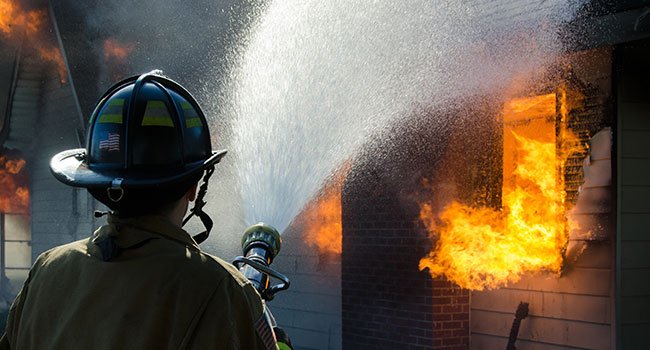
Disasters can strike without warning, leaving homes and businesses facing serious damage and emotional stress. Fires, floods, storms, and mold outbreaks can disrupt daily life and threaten the safety of your property. In these situations, professional disaster restoration services play a critical role in recovery. Choosing the right provider for disaster restoration is not just about quick repairs; it is about ensuring your property is restored safely, efficiently, and thoroughly. This guide explains what disaster restoration involves and how to select the right service provider for your specific needs.
Understanding Disaster Restoration Services
Disaster restoration refers to the professional process of cleaning, repairing, and restoring properties affected by natural or man-made disasters. These services aim to return a damaged property to its pre-loss condition while minimizing health risks and further damage.
Common Types of Disaster Restoration
Disaster restoration services cover a wide range of situations. Water damage restoration addresses flooding from storms, burst pipes, or sewage backups. Fire and smoke restoration focuses on removing soot, smoke odors, and repairing structural damage caused by flames. Mold remediation deals with mold growth that often follows water damage and poses serious health risks. Storm and wind damage restoration includes repairs after hurricanes, tornadoes, or severe storms. Some providers also handle biohazard and trauma cleanup, which requires specialized training and equipment.
Why Professional Disaster Restoration Is Essential
Attempting DIY cleanup after a disaster can lead to incomplete repairs and hidden problems. Moisture trapped in walls, lingering smoke particles, or untreated mold can cause long-term damage and health issues. Professional disaster restoration teams use advanced equipment, proven techniques, and industry standards to ensure thorough restoration. Their expertise helps protect your investment and ensures the safety of occupants.
Key Factors to Consider When Choosing a Disaster Restoration Provider
Not all disaster restoration companies offer the same level of service or expertise. Evaluating providers carefully can make a significant difference in your recovery process.
Experience and Industry Expertise
Experience is one of the most important factors in disaster restoration. A company with years of hands-on experience is more likely to handle complex situations effectively. Look for providers who specialize in disaster restoration and have a proven track record with similar types of damage. Experienced teams can quickly assess the situation, identify hidden issues, and develop an effective restoration plan.
Certifications and Licensing
Reputable disaster restoration companies hold proper certifications and licenses. Certifications from recognized organizations demonstrate that technicians are trained in industry best practices and safety standards. Licensing ensures the company meets local and national regulations. These credentials provide reassurance that the provider is qualified to handle your restoration needs.
Availability and Response Time
Disasters require immediate action. Water damage can worsen within hours, and smoke residue can permanently stain surfaces if not treated quickly. Choose a disaster restoration provider that offers 24/7 emergency services and rapid response times. A fast response can significantly reduce repair costs and prevent secondary damage.
Range of Services Offered
A full-service disaster restoration company can handle every stage of the recovery process. This includes emergency cleanup, damage assessment, mitigation, repairs, and final restoration. Working with one provider for all services ensures better coordination and faster completion. It also reduces the stress of managing multiple contractors during an already difficult time.
Evaluating Reputation and Reliability
A provider’s reputation reflects the quality of service you can expect. Taking time to research can help you avoid unreliable companies.
Customer Reviews and Testimonials
Online reviews and testimonials provide valuable insights into a company’s performance. Look for consistent positive feedback regarding professionalism, communication, and quality of work. While a few negative reviews are normal, patterns of complaints may indicate issues with reliability or service quality.
References and Past Projects
Reputable disaster restoration companies are willing to share references or examples of past projects. Speaking directly with previous clients can give you a clearer picture of what to expect. Ask about the company’s response time, workmanship, and overall experience.
Insurance and Liability Coverage
Disaster restoration work involves risks, including potential damage during repairs. Ensure the provider carries adequate insurance and liability coverage. This protects you from financial responsibility if accidents or additional damage occur during the restoration process.
Understanding the Restoration Process
Knowing how disaster restoration works can help you evaluate whether a provider follows proper procedures.
Initial Assessment and Inspection
The restoration process begins with a thorough inspection of the property. Professionals assess visible and hidden damage, identify safety hazards, and determine the scope of work. A detailed assessment ensures that all affected areas are addressed.
Mitigation and Damage Control
Mitigation focuses on preventing further damage. This may include water extraction, drying and dehumidification, boarding up damaged structures, or securing the property. Effective mitigation is essential for successful disaster restoration and helps reduce overall repair costs.
Cleanup, Repair, and Restoration
After mitigation, the cleanup and repair phase begins. This includes removing debris, cleaning surfaces, eliminating odors, and repairing structural elements. The final goal of disaster restoration is to return the property to its original condition or better.
Cost Transparency and Insurance Support
Understanding costs and insurance involvement is a critical part of choosing the right disaster restoration provider.
Clear Estimates and Pricing
A trustworthy disaster restoration company provides clear, detailed estimates before starting work. Transparent pricing helps you understand what services are included and prevents unexpected charges. Be cautious of providers who offer vague estimates or pressure you into immediate decisions without proper assessment.
Assistance with Insurance Claims
Many disaster restoration companies work directly with insurance providers. They can help document damage, prepare reports, and communicate with adjusters. This support simplifies the claims process and helps ensure you receive fair coverage for restoration work.
Red Flags to Watch Out For
Being aware of warning signs can help you avoid unreliable providers.
Lack of Documentation
If a company cannot provide proof of licensing, certifications, or insurance, it is best to look elsewhere. Proper documentation is essential in disaster restoration.
High-Pressure Tactics
Avoid companies that pressure you to sign contracts immediately or demand large upfront payments. Reputable providers allow you time to review estimates and make informed decisions.
Unrealistic Promises
Be cautious of providers who promise extremely low prices or guaranteed timelines without assessing the damage. Quality disaster restoration requires careful evaluation and realistic planning.
Making the Right Choice for Long-Term Peace of Mind
Choosing the right disaster restoration provider is a crucial step in recovering from property damage. By focusing on experience, certifications, response time, reputation, and transparency, you can select a company that meets your needs and protects your property. Professional disaster restoration not only repairs physical damage but also restores safety, comfort, and peace of mind. Taking the time to choose the right provider ensures that your recovery process is smooth, effective, and built to last.