




Used Alternators and Used Engines: Affordable, Reliable Solutions for Charging and Power Problems
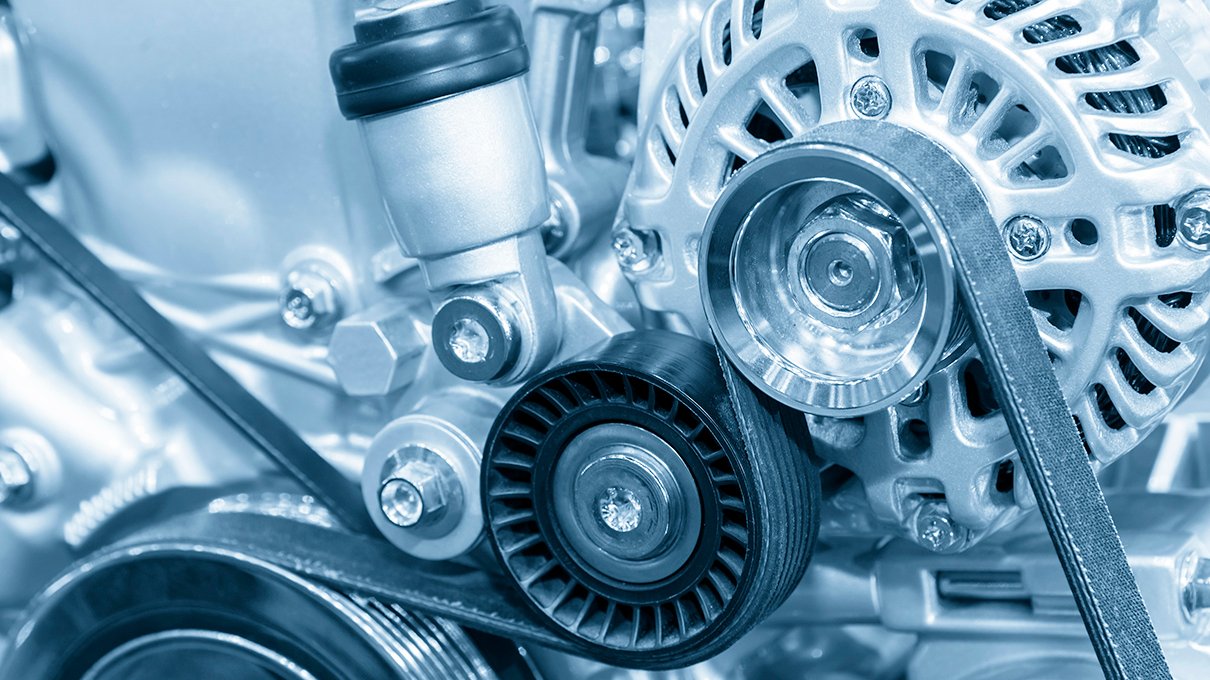 The car alternator in the light blue scene .Close up of the of engine part.
Car troubles involving the alternator or the engine itself can turn a routine drive into a major headache—and an expensive one. These two components are vital: the alternator keeps your battery charged and powers the electrical system while the engine runs, and the engine is, well, the heart of the vehicle. When either fails, the symptoms are hard to miss, and ignoring them often leads to being stranded or bigger damage.
For the alternator, early warning signs include the battery or charging warning light illuminating on the dash, dim or flickering headlights (especially noticeable at idle or when using accessories like AC or headlights), overly bright lights that dim when you rev the engine, slow cranking or difficulty starting, a dead battery after short trips, electrical accessories acting sluggish (power windows slow, radio cutting out), unusual whining or grinding noises from the front of the engine, or a burning electrical smell. In advanced failure, the car might stall while driving as the battery drains completely.
Alternator replacement costs have stayed high. A new or remanufactured unit typically runs $150–$500 for the part alone, but full installed prices average $450–$1,000 or more (labor $180–$400, plus any belt or tensioner work). On some vehicles, especially trucks or luxury models, totals can climb to $800–$1,500. That’s a lot for something that’s often a straightforward swap.
A used alternator is one of the easiest ways to cut that cost dramatically. Sourced from salvage yards, these are OEM units pulled from low-mileage wrecked cars—frequently where the electrical system wasn’t compromised. They get bench-tested for proper voltage output (13.5–14.5V under load), smooth bearing rotation, no excessive noise or play, and functional regulator/diodes. Prices usually land in the $80–$300 range shipped, often with a 30-day or longer warranty. That’s 50–80% savings compared to new, and since it’s factory-spec, it matches your vehicle’s amp rating, pulley setup, and mounting perfectly—no wiring hacks needed.
Take a common scenario: A daily commuter notices the battery dying every few days and lights dimming at stops. Shop quotes $750 for a new alternator installed. Instead, a used one from a similar low-mile donor car (around 50k miles, tested strong) arrives for $150 shipped. Quick install (often DIY or $150–$200 shop labor), and charging returns to normal—no more warnings or dead batteries.
Engine failures hit even harder. Signs include loud knocking or tapping (worn bearings/rods), blue smoke (oil burning), white smoke (coolant leak), rough idle shaking the car, sudden power loss or hesitation on acceleration, constant overheating, metal flakes in the oil, low compression, excessive exhaust smells, or a complete no-start/seized situation. Blown head gaskets, cracked blocks, or catastrophic internal damage often make the engine a total loss.
New or remanufactured engine replacements are a big commitment. Crate engines cost $3,000–$10,000+ for the long block/short block, with full swaps (parts, labor, accessories transfer, gaskets, timing, fluids) averaging $5,000–$12,000 or higher for trucks/luxury vehicles. That’s enough to question whether the car is worth saving.
Used engines offer a much more accessible fix. These are complete, running take-outs from salvaged vehicles—low-mileage donors from wrecks where the engine sustained minimal impact. Good suppliers provide compression/leak-down tests, borescope cylinder checks, oil pressure verification, fluid analysis (no metal debris), and short run-ups for smoothness. Many include manifolds, sensors, and harnesses to ease the swap. Prices typically range $1,000–$3,500 shipped (cheaper for common models like Civics, Camrys, or F-150s), with warranties from 30 days to a year.
Example: An SUV owner hears a loud knock and sees oil pressure drop at 150k miles. Dealer quotes $9,000+ for reman installed. A used engine from a 70k-mile donor (rear-ended crash, engine untouched) costs $2,300 shipped with warranty. Shop swap runs $3,000 (new timing, gaskets, mounts)—total around $5,300. Vehicle’s been reliable since, no odd noises or power issues.
Why Used Parts from Salvage Sources Are a Strong Choice
Used alternators and engines from verified yards undergo real testing—not just visual checks. Alternators get load-tested; engines get mechanical diagnostics. Donors are often low-mileage wrecks, meaning the parts have gentle history.
Advantages stack up:
- Major savings — Thousands off engines, hundreds off alternators.
- OEM reliability — Factory match avoids aftermarket fit/quality issues.
- Availability — Great for discontinued or specific configs.
- Warranties — Coverage and returns reduce risk.
- Eco benefit — Reuses resources, cuts new production impact.
Used alternators often last as long as new for everyday use; used engines from well-maintained donors can rival remans.
Tips for Buying and Installing
Use your VIN for exact matches—alternator amps/pulley, engine code/displacement. Seek low donor miles, test results, photos, warranty details.
Alternator install: Disconnect battery, remove belt, swap, test voltage (multimeter at battery terminals).
Engine swap: Pro job—transfer accessories, replace timing/water pump, flush systems. Budget $1,500–$4,000 labor; break in carefully.
Avoid no-test listings, high-mileage without proof, vague descriptions.
When your alternator dims the lights or your engine knocks, don’t accept massive new-part bills. Opt for a used alternator or used engine from trusted sources—affordable, reliable fixes that keep you driving without the financial pain.