





Water Damage Restoration How To Protect Your Basement
Understanding Basement Water Risks
Basements are highly vulnerable to water intrusion because they sit below ground level, where soil moisture, groundwater pressure, and plumbing lines can all create potential threats. When water enters a basement, even in small amounts, it can cause structural damage, mold growth, and long-term deterioration that requires extensive restoration. Protecting a basement begins with understanding how water gets in. The most common sources include leaking foundation walls, cracks in the floor, poor exterior drainage, faulty gutters, sump pump failure, and plumbing leaks. Heavy rain and snowmelt increase hydrostatic pressure around the foundation, pushing moisture through weak points. When this happens repeatedly, it leads to damage that becomes more expensive to fix over time. The goal is to address these issues before they escalate into major restoration work. Prevention is always cheaper and easier than dealing with severe flooding after it occurs.
Why Early Restoration and Prevention Are Crucial
Water damage does not remain static; it spreads quickly as moisture travels into porous building materials. Drywall, insulation, wood framing, flooring, and stored belongings can all become saturated within hours. When not treated fast, water leads to mold growth, odors, material decay, and compromised structural stability. That is why immediate restoration is essential. Acting quickly reduces repair costs, protects indoor air quality, and prevents long-term foundation problems. Restoration professionals often emphasize that the first 24 to 48 hours are the most critical. During this window, water extraction, dehumidification, and drying help stop the progression of damage. But the best strategy is preventing water from entering in the first place. Combining fast restoration methods with practical basement protection steps helps homeowners maintain a safe and dry environment year-round.
Essential Steps to Protect Your Basement from Water Damage
Inspect and Seal Foundation Cracks
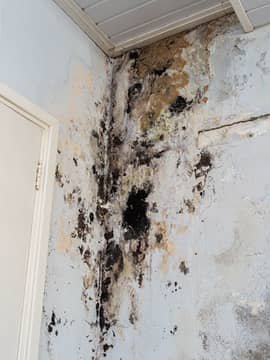
Even the smallest foundation cracks can allow water to seep in during rain or periods of high soil moisture. Conduct regular inspections of walls and floors. If you notice cracks, bubbling paint, efflorescence, or moisture spots, seal them with hydraulic cement or a professional-grade foundation sealant. Proper sealing reduces the need for future restoration and slows down moisture penetration that could weaken the structure.
Improve Exterior Drainage
Poor drainage is one of the main causes of basement leaks. Ensuring that water flows away from your home reduces pressure against the foundation. Grade the soil so it slopes away at least six inches over ten feet. Maintain clean gutters and downspouts, directing water at least six feet from exterior walls. Consider installing gutter extensions or French drains if you experience frequent pooling around the property. These upgrades significantly lower the risk of water entering the basement and reduce future Water Damage Restoration expenses.
Install or Upgrade a Sump Pump System
A sump pump is one of the most effective tools for keeping basements dry. It collects water in a basin and automatically pumps it away from the home. If your basement already has a sump pump, test it regularly and consider adding a battery backup system. Power outages often occur during storms, and without backup power, the pump cannot function when you need it most. Modern sump pumps offer smart monitoring devices that alert you when a malfunction occurs. This level of protection drastically minimizes restoration needs after storms or flooding.
Waterproof Interior Walls and Floors
Interior waterproofing helps block moisture from entering through porous concrete. Applying waterproof coatings, sealants, and vapor barriers creates a protective layer that helps keep the basement dry. While interior waterproofing cannot stop major leaks caused by structural problems, it provides an additional layer of defense against minor seepage. Using these products correctly can extend the lifespan of your basement materials and reduce restoration frequency.
Control Humidity Levels with Proper Ventilation
Humidity is a silent contributor to basement damage. Warm, moist air can enter the basement and condense on cooler surfaces. Over time, this leads to mold growth, wood rot, and unpleasant odors. The best way to prevent humidity damage is by using dehumidifiers and improving ventilation. Keep humidity below 50 percent to discourage mold. Good airflow also helps maintain a dry environment and assists in restoration if minor moisture already exists.
Maintain Your Plumbing System
Basements often house water heaters, washers, pipes, and other plumbing components. A single leak can cause significant damage if not detected early. Regularly inspect pipes, appliances, and connections for corrosion, moisture, or rust. Installing smart leak detectors is a cost-effective way to catch water issues before they turn into major restoration projects. These devices send alerts to your phone when moisture is detected, allowing for quick action.
Protect Your Basement Windows
Basement windows can be another vulnerable entry point for water. Ensure proper window well drainage and consider adding covers to keep rain, snow, and debris out. Clear window well drainage systems prevent water buildup that might seep into the basement. Properly sealed window frames also help maintain insulation and prevent moisture intrusion.
Steps to Take Immediately After Basement Water Damage
Identify and Stop the Water Source
After any water incident, the first priority is stopping the source. Whether it is a burst pipe, sump pump failure, or stormwater intrusion, controlling the flow prevents further destruction. Once the water source is stopped, assess the level of damage so restoration can begin efficiently.
Extract Standing Water Quickly
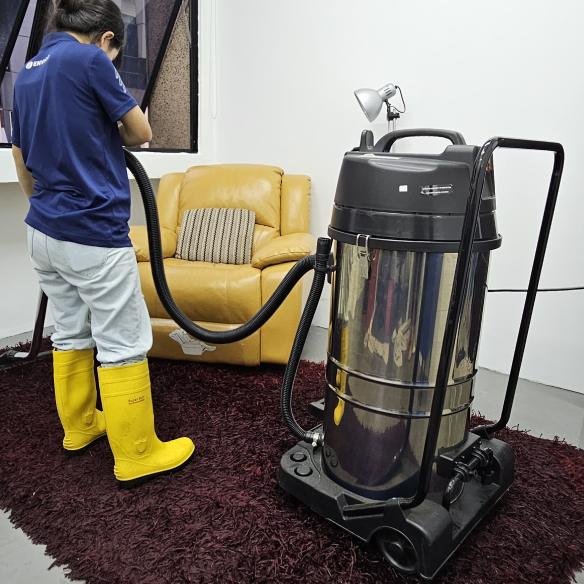
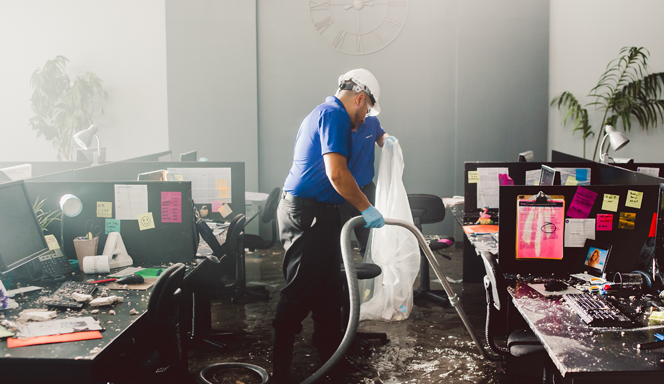
Standing water should never be left sitting in a basement. Use pumps, wet vacuums, or professional extraction equipment to remove it as soon as possible. The longer water remains, the deeper it penetrates building materials. Fast extraction minimizes long-term restoration costs and prevents mold growth.
Dry the Basement Thoroughly
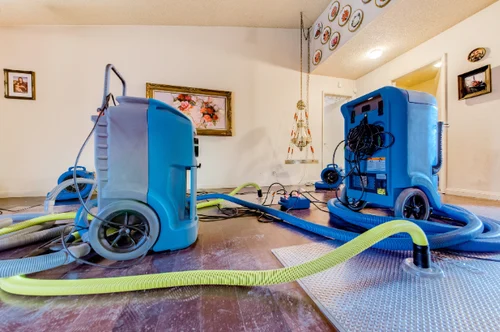
Drying is the most important stage of restoration. Powerful fans, dehumidifiers, and ventilation systems help speed up the process. Remove wet materials like carpets, drywall, and insulation if they cannot be salvaged. Ensure all affected areas are completely dry before rebuilding to avoid future problems.
Disinfect and Prevent Mold
Moisture creates an ideal environment for bacteria and mold. After drying, disinfect all surfaces using antimicrobial treatments. Addressing this step prevents health hazards and ensures that the restoration process is complete. Mold can grow within 24 to 72 hours, so quick action is essential.
Long-Term Strategies for Basement Protection
Preventing water damage is an ongoing effort. Regular maintenance, seasonal inspections, and proactive upgrades help safeguard your basement year-round. Combining these steps with fast restoration methods ensures your home remains safe, dry, and protected. Investing in prevention always saves money compared to the cost of extensive restoration caused by neglect. A well-protected basement increases home value, improves air quality, and provides peace of mind for homeowners.