





Understanding Sewer Backup Causes to Protect Your Home
A sewer backup can be one of the most distressing problems a homeowner faces. Not only can it lead to property damage, but it also poses serious health risks. Understanding the common sewer backup causes is essential for homeowners who want to prevent these incidents and protect their homes. By being aware of the factors that contribute to backups, you can take proactive measures to avoid costly repairs and ensure the safety of your family.
What Is a Sewer Backup?
A sewer backup occurs when wastewater flows in the reverse direction, moving from the sewer system back into your home. This often happens through drains, toilets, or sinks. The result is not only an unpleasant mess but also potential contamination from bacteria, viruses, and other pathogens. Recognizing the sewer backup causes can help homeowners prevent the situation before it escalates.
Common Sewer Backup Causes
Several factors contribute to sewer backups, ranging from household habits to structural issues in the sewer system. Identifying these causes can guide homeowners in taking preventative measures.
Clogged Drains and Pipes
One of the leading sewer backup causes is clogged drains and pipes. Items like grease, food scraps, hair, and soap buildup can obstruct pipes over time. Flushing inappropriate items such as wipes, diapers, or feminine hygiene products can also block the sewer lines. Regular maintenance and careful disposal practices are key to avoiding clogs that could lead to a backup.
Tree Root Intrusion
Tree roots naturally seek moisture and nutrients, often infiltrating sewer lines through small cracks. Over time, these roots can grow large enough to block the flow of wastewater completely. This is a frequent and often costly cause of sewer backups. Homeowners with large trees near their sewer lines should consider root inspections and preventive treatments to reduce this risk.
Aging or Damaged Sewer Lines
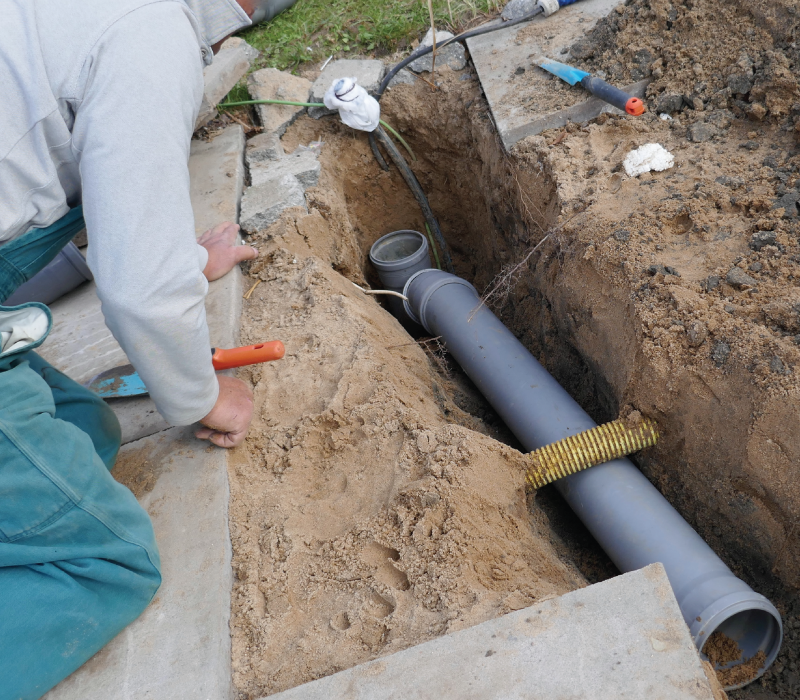
Old or deteriorating sewer pipes are more prone to cracks, leaks, and collapses. Materials like clay or cast iron, commonly used in older homes, can weaken over decades. When the sewer line is damaged, wastewater may back up into the home rather than flowing freely to the municipal system. Regular inspections can help identify weak spots before a serious backup occurs.
Heavy Rain and Flooding
Excessive rainfall can overwhelm municipal sewer systems, especially in areas with combined stormwater and sewage lines. When the system is overloaded, water can flow backward into homes, creating a backup. Homeowners living in flood-prone areas should invest in preventive measures such as sump pumps, backflow preventers, and proper drainage around their property.
Sewer System Blockages
Blockages in the municipal sewer system itself can also cause wastewater to back up into homes. Debris, grease, or even collapses within public sewer lines may result in localized backups. While this is beyond a homeowner’s direct control, being aware of it helps explain sudden backups that aren’t caused by household issues.
Improper Plumbing Design
Poor plumbing installation or outdated designs can contribute to sewer backups. Sharp bends, improper pipe slopes, or insufficient venting can create blockages or slow drainage. Ensuring that plumbing follows current codes and standards is essential to prevent repeated backups.
Human Error and Negligence
Sometimes, simple mistakes like flushing non-degradable materials or pouring grease down the sink lead to severe blockages. Educating household members about proper disposal and enforcing good plumbing habits can dramatically reduce the likelihood of a backup.
Preventative Measures to Avoid Sewer Backups
Knowing the sewer backup causes is only the first step. Homeowners must take practical actions to protect their homes from these risks.
Regular Maintenance and Inspections
Scheduling regular plumbing inspections is crucial, especially for older homes. Professionals can identify potential issues, such as cracks, root intrusion, or pipe blockages, before they escalate. Routine drain cleaning and maintenance also help ensure pipes remain clear.
Install Backflow Prevention Devices
Backflow prevention valves can stop wastewater from reversing into your home. These devices are particularly useful in homes located in flood-prone areas or where municipal sewer systems are prone to overloading. Installing these devices provides an added layer of protection against potential backups.
Proper Waste Disposal
Educating household members about proper waste disposal is vital. Avoid flushing wipes, diapers, feminine hygiene products, or large amounts of grease. Using strainers in sinks to catch food particles and hair can prevent clogs from forming in the first place.
Landscaping Considerations
If you have large trees near your sewer lines, consider professional evaluation and maintenance. Root barriers or regular root pruning can minimize the risk of intrusion. Landscaping choices should take into account the proximity of sewer lines to prevent future issues.
Prepare for Heavy Rain
Homes in regions that experience heavy rainfall should have a comprehensive drainage plan. Ensuring gutters and downspouts direct water away from the foundation, installing sump pumps, and maintaining proper grading around the property can prevent water from overwhelming your sewer system.
Recognizing Early Signs of a Sewer Backup
Early detection is key to preventing extensive damage. Homeowners should watch for warning signs such as slow drains, gurgling sounds from toilets, foul odors, or water pooling in unusual areas. Responding promptly to these symptoms can prevent minor issues from becoming major backups.
The Health Risks of Sewer Backups
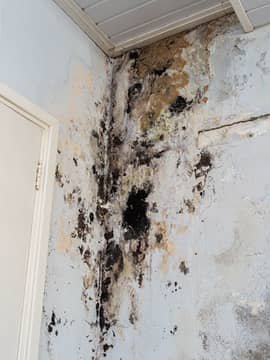
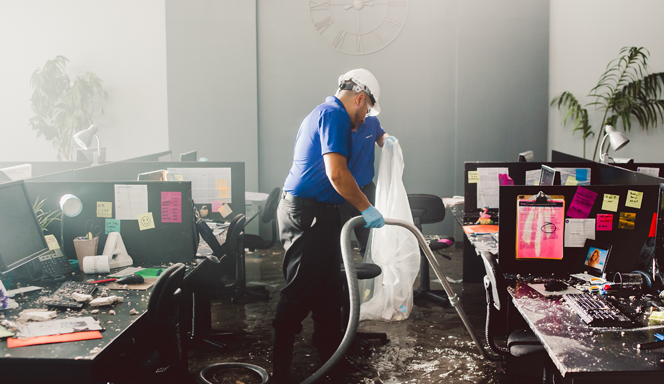
A sewer backup is more than an inconvenience—it can pose serious health hazards. Contaminated water contains harmful bacteria, viruses, and parasites. Exposure can lead to gastrointestinal illness, skin infections, and respiratory problems. Proper cleanup and professional restoration are critical after a sewer backup.
When to Call a Professional
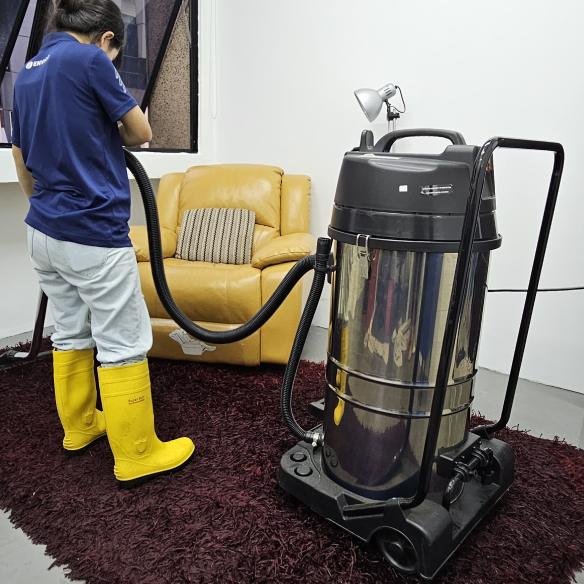
While some minor clogs can be managed with home remedies, many sewer backups require professional intervention. A licensed plumber or disaster restoration company can assess the situation, clear the blockage, and repair damaged pipes safely. Attempting to handle major backups without expertise may worsen the problem or expose household members to health risks.
Conclusion
Understanding sewer backup causes is essential for every homeowner. From clogged pipes and tree roots to aging infrastructure and human error, there are multiple factors that can trigger a backup. By identifying these risks and taking proactive measures such as proper maintenance, installing backflow prevention devices, and ensuring correct waste disposal, you can significantly reduce the chances of a sewer backup in your home. Early detection, coupled with professional assistance when necessary, ensures your home remains safe, clean, and protected from the serious consequences of sewer backups.