




Top Warning Signs That a Sewage Backup Disaster Is About to Happen
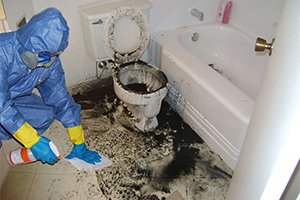
Sewage backup disasters are among the most unpleasant and hazardous problems a property owner can face. When wastewater flows back into a home or commercial building instead of moving through the sewer system, it can cause serious health risks, structural damage, and costly repairs. Many people believe that these problems occur suddenly, but in reality, sewage backup disasters usually provide several warning signs before the situation becomes severe.
Recognizing these early signs can help you take action before the issue turns into a full-scale disaster. By understanding the symptoms and responding quickly, you can protect your property, health, and finances.
Understanding Sewage Backup Disasters
Sewage backup disasters occur when wastewater from toilets, sinks, and drains cannot properly flow through the sewer line. Instead of moving away from the property, the waste water reverses direction and comes back through plumbing fixtures.
These disasters can happen due to several reasons such as clogged pipes, tree root intrusion, damaged sewer lines, heavy rainfall, or aging municipal sewer systems. When the system becomes overwhelmed or blocked, the wastewater has nowhere to go except back into the building.
Besides the unpleasant smell and mess, sewage backup disasters expose people to harmful bacteria, viruses, and contaminants. This is why identifying early warning signs is extremely important.
Slow Drains Throughout the House
One of the first warning signs of sewage backup disasters is slow drainage in multiple fixtures. If your sink, bathtub, and shower are all draining slower than usual, the issue may not be a simple clog.
A blockage forming in the main sewer line can restrict water flow from the entire house. As waste water struggles to move through the pipe, drainage becomes noticeably slower.
Many homeowners ignore this early symptom, assuming it is just a minor plumbing issue. However, when several drains in the house begin to slow down at the same time, it is often an early indicator that sewage backup disasters could occur soon.
Gurgling Sounds from Drains and Toilets
Another clear warning sign of sewage backup disasters is strange gurgling noises coming from drains or toilets. These sounds occur when trapped air in the plumbing system is forced through water due to blockages or pressure changes.
For example, you may hear bubbling sounds when flushing the toilet or when water drains from the sink. This happens because the wastewater is struggling to pass through the sewer line.
Gurgling noises are not normal and should never be ignored. They often indicate that your plumbing system is experiencing pressure problems that could soon lead to sewage backup disasters.
Unpleasant Sewage Odors
A strong and persistent sewage smell inside your home is another major warning sign. Wastewater systems are designed to keep odors sealed within pipes and safely transported outside the property.
If you begin to smell a foul odor similar to rotten eggs or sewage coming from drains, basements, or bathrooms, it could indicate that wastewater is not flowing correctly.
These smells may appear before any visible backup occurs. In many sewage backup disasters, odor is one of the earliest clues that something is wrong with the sewer system.
Water Backing Up in Unexpected Places
One of the most alarming early signs of sewage backup disasters is water appearing in unusual locations. For example, flushing the toilet might cause water to rise in the bathtub or shower drain.
This happens because all plumbing fixtures are connected to the same sewer line. When the line becomes blocked, wastewater begins to move toward the lowest available exit.
If you notice water backing up in sinks, tubs, or floor drains, it is a strong indication that a sewage backup disaster may be developing.
Frequent Toilet Clogs
Occasional toilet clogs are common in many homes, but repeated clogs within a short period can signal a larger issue.
If plunging the toilet only solves the problem temporarily and the clog keeps returning, there may be a blockage deeper within the sewer line. As the obstruction grows, it becomes more difficult for waste to pass through.
Frequent toilet clogs are often one of the early warning signs that precede sewage backup disasters.
Water Pooling Around Floor Drains
Basement floor drains are designed to handle excess water and prevent flooding. However, when a sewer line becomes clogged, wastewater may start rising through these drains.
If you notice standing water, dampness, or sewage smells around basement drains, it may indicate a developing backup.
Many sewage backup disasters begin in the basement because it is typically the lowest point in the building where wastewater can emerge.
Lush Patches in the Yard
Sometimes the warning signs of sewage backup disasters appear outside the home rather than inside. If a sewer pipe underground is cracked or leaking, wastewater can seep into the soil.
This often causes patches of grass in the yard to grow unusually fast or appear greener than surrounding areas. While it might seem harmless, it could indicate a damaged sewer line releasing nutrients into the soil.
In more severe cases, you might also notice soggy ground or unpleasant odors in the yard.
Increased Pest Activity
Rodents and insects are attracted to moisture and organic waste. When sewage backup disasters are developing, pests may become more active around drains, basements, or outdoor sewer areas.
An unexpected increase in flies, cockroaches, or rodents near plumbing areas can sometimes indicate hidden sewage problems. These pests are often drawn to leaking or backed-up wastewater systems.
Although pest activity alone does not confirm sewage backup disasters, it can be a supporting warning sign when combined with other symptoms.
Why Immediate Action Is Important
Ignoring the early signs of sewage backup disasters can lead to serious consequences. Once wastewater begins flowing back into the property, it can contaminate floors, walls, furniture, and personal belongings.
Sewage water contains dangerous microorganisms that can cause illnesses and infections. Additionally, prolonged exposure can weaken building materials and cause structural damage.
Addressing problems early can prevent thousands of dollars in repairs and reduce health risks.
Preventing Sewage Backup Disasters
Prevention is always better than dealing with the aftermath of sewage backup disasters. Regular plumbing maintenance and inspections can help identify potential issues before they escalate.
Avoid flushing items like wipes, paper towels, or grease down drains, as they can cause blockages in sewer lines. Installing backwater valves and keeping sewer lines clear of tree roots can also reduce the risk.
Routine cleaning and monitoring of drains, especially in older homes, can go a long way in preventing sewage backup disasters.
Conclusion
Sewage backup disasters rarely occur without warning. Slow drains, gurgling sounds, unpleasant odors, repeated clogs, and water appearing in unexpected places are all signals that something may be wrong with the sewer system.
By paying attention to these early warning signs and acting quickly, property owners can avoid major damage and costly repairs. Being proactive about plumbing maintenance and addressing problems immediately is the best defense against sewage backup disasters.