






Tips for Managing Common Toddler Ailments Effectively
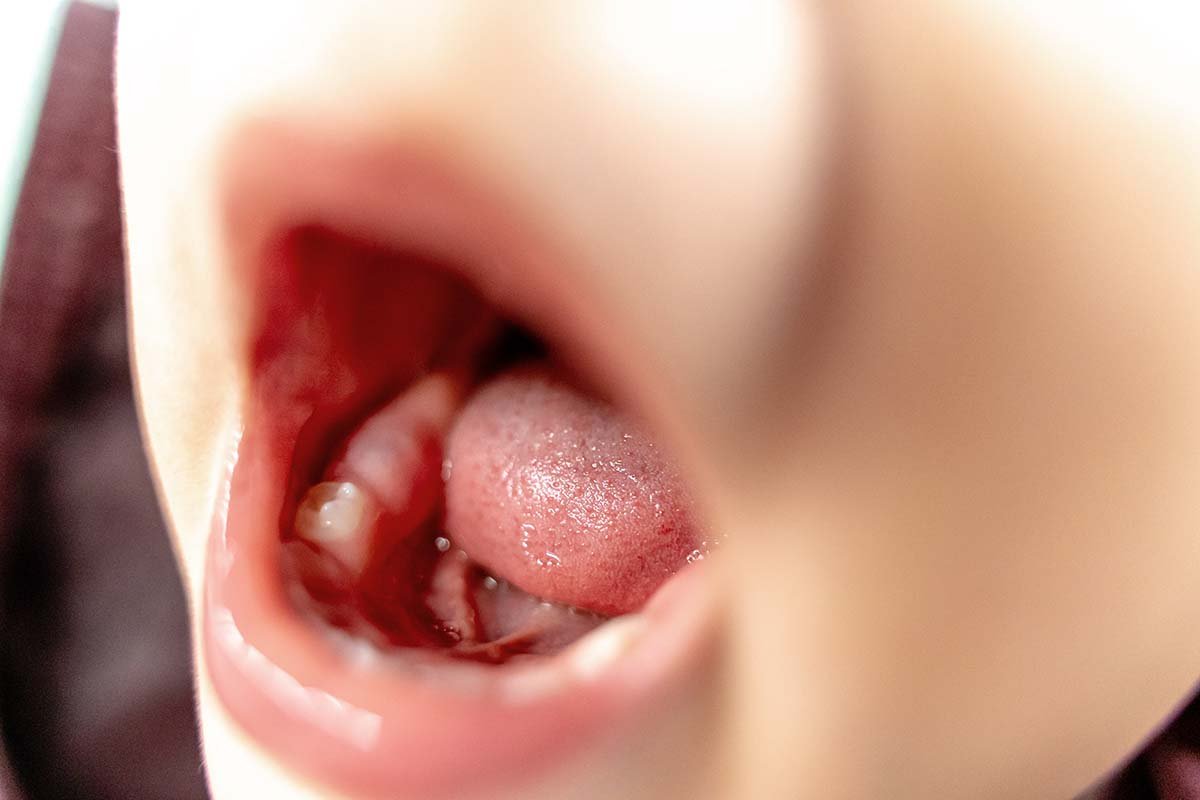
Toddlers are full of energy and curiosity, but their developing immune systems make them more susceptible to a range of common ailments. Parents and caregivers often find it challenging to distinguish between minor illnesses and conditions that require medical attention. Understanding these ailments, their symptoms, and ways to alleviate discomfort can help ensure toddlers stay healthy and happy. This guide explores some of the most frequent health issues toddlers face, with special attention to teething and the appearance of two year molars.
Fever and Infections
One of the most common ailments in toddlers is fever, often caused by viral or bacterial infections. Fevers are the body’s natural response to fight off illness. Common infections include colds, flu, ear infections, and respiratory infections. While a mild fever is usually not a cause for alarm, parents should monitor their child for persistent high temperatures or signs of dehydration. Toddlers may also become irritable, refuse food, or sleep more than usual when experiencing a fever.
Common Cold and Cough
The common cold is a frequent occurrence among toddlers, especially those attending daycare or preschool. Symptoms include a runny nose, sneezing, mild cough, and fatigue. While a cold is usually harmless, it can sometimes lead to secondary infections such as sinusitis or ear infections. Coughing is also common and may be more noticeable at night. Parents can help alleviate symptoms with plenty of fluids, rest, and a humidifier in the child’s room to ease congestion.
Ear Infections
Ear infections are particularly common in toddlers due to the structure of their eustachian tubes, which are shorter and more horizontal than in older children. Symptoms may include ear pain, tugging at the ear, fever, irritability, and difficulty sleeping. In some cases, an ear infection can lead to temporary hearing issues. Prompt treatment, sometimes including antibiotics, is essential to prevent complications.
Gastrointestinal Issues
Toddlers frequently experience gastrointestinal problems such as diarrhea, constipation, and vomiting. These issues may be caused by infections, dietary changes, or food intolerances. Diarrhea can lead to dehydration, so it is important to provide fluids and, in some cases, electrolyte solutions. Constipation may require dietary adjustments, such as increased fiber and fluids. Vomiting, especially when persistent, should be closely monitored to rule out serious infections.
Skin Conditions
Skin problems are common in toddlers, including rashes, eczema, and diaper rash. Eczema, characterized by dry, itchy patches, may be triggered by allergens, irritants, or weather changes. Diaper rash results from prolonged exposure to moisture and can usually be treated with barrier creams and frequent diaper changes. Parents should seek medical advice if rashes are accompanied by fever, swelling, or oozing.
Allergies
Allergic reactions can present in toddlers through skin irritation, nasal congestion, watery eyes, or gastrointestinal discomfort. Common allergens include pollen, dust, pet dander, and certain foods such as nuts or dairy. Identifying triggers and managing exposure are key to minimizing symptoms. Severe reactions may require emergency care, especially if the toddler experiences difficulty breathing or swelling of the face and throat.
Teething and Two Year Molars
Teething is a significant milestone in toddler development, often causing discomfort and irritability. Around the age of two, toddlers typically begin to develop their two year molars, which can be particularly uncomfortable. Symptoms of teething include swollen gums, drooling, irritability, and changes in eating or sleeping patterns. Chewing on teething toys or a cold washcloth can help soothe discomfort. It’s important to monitor toddlers during this stage because some may experience mild fever or diarrhea, though these symptoms are usually temporary.
Respiratory Issues
Toddlers are prone to respiratory ailments such as bronchiolitis and asthma-like symptoms. Wheezing, coughing, and shortness of breath are warning signs that need attention. Respiratory infections can be more serious in toddlers due to their smaller airways. Preventative measures include keeping children away from smoke, ensuring vaccinations are up to date, and seeking medical evaluation for persistent or severe symptoms.
Sleep Disturbances
Illnesses can disrupt a toddler’s sleep, which is crucial for growth and development. Sleep disturbances may arise from teething, colds, or night-time coughing. Parents can improve sleep quality by maintaining a consistent bedtime routine, keeping the child’s room comfortable, and providing comfort items like a favorite blanket or stuffed animal.
Behavioral Changes and Irritability
Many common ailments in toddlers manifest as behavioral changes. A child who is normally cheerful may become clingy, irritable, or withdrawn when feeling unwell. Observing these changes can help caregivers identify underlying health issues early. Encouraging gentle play, offering comfort, and providing appropriate medications when necessary can help toddlers cope with minor illnesses.
Preventive Measures
Preventing common ailments in toddlers is always preferable to treating them. Good hygiene practices, including frequent handwashing and sanitizing toys, can reduce the spread of infections. Ensuring toddlers receive recommended vaccinations provides protection against serious illnesses. Balanced nutrition, adequate sleep, and regular check-ups with a pediatrician further support overall health.
When to Seek Medical Attention
While many ailments are mild and self-limiting, parents should know when to seek medical care. High fever lasting more than a few days, severe or persistent vomiting, difficulty breathing, dehydration, or unusual lethargy are all warning signs. Additionally, persistent ear pain, rashes with fever, or sudden behavioral changes warrant prompt evaluation by a healthcare professional.
Conclusion
Toddlers face a range of common ailments as they grow and explore the world around them. From minor colds and ear infections to gastrointestinal issues and teething discomfort, understanding the signs and symptoms can help parents provide the best care. Special attention to developmental milestones like the appearance of two year molars is important, as these can affect a child’s comfort and behavior. By combining preventive care, vigilant observation, and timely medical attention, caregivers can help toddlers navigate these early health challenges while supporting their growth and well-being.