


Sewage Clean Up: Essential Steps to Safeguard Your Family’s Health
sewage clean up Dealing with sewage contamination is one of the most critical and urgent challenges a homeowner can face. Sewage is more than just unpleasant waste; it harbors dangerous pathogens, bacteria, and viruses that can pose serious health risks to your family. Understanding proper sewage clean up procedures is essential not only to restore your property but also to prevent long-term health consequences. This article provides a comprehensive guide to the steps you should take during sewage clean up and highlights why professional intervention is often necessary.
Understanding the Dangers of Sewage
Sewage water contains a mix of human waste, chemicals, and other contaminants that make it highly hazardous. Exposure to raw sewage can cause gastrointestinal illnesses, skin infections, respiratory issues, and even serious diseases such as hepatitis A and E. Children, elderly individuals, and people with weakened immune systems are particularly vulnerable. Recognizing the dangers associated with sewage clean up is the first step toward protecting your household.
Sewage spills often occur after heavy rainfall, plumbing failures, or sewer backups. Regardless of the cause, immediate action is crucial to minimize the spread of contaminants and protect your family’s health.
Initial Safety Precautions
Before beginning any sewage clean up, safety should be your top priority. Personal protective equipment (PPE) is essential to prevent direct contact with contaminated water. Recommended items include waterproof gloves, boots, eye protection, and masks capable of filtering harmful particles. It is also vital to keep children and pets away from affected areas until the clean up process is complete.
Ventilation is another important precaution. Open windows and doors to allow fresh air to circulate, but avoid spreading contaminated water to other areas of your home. Turn off HVAC systems if there is a risk of spreading contaminated air.
Removing Contaminated Water
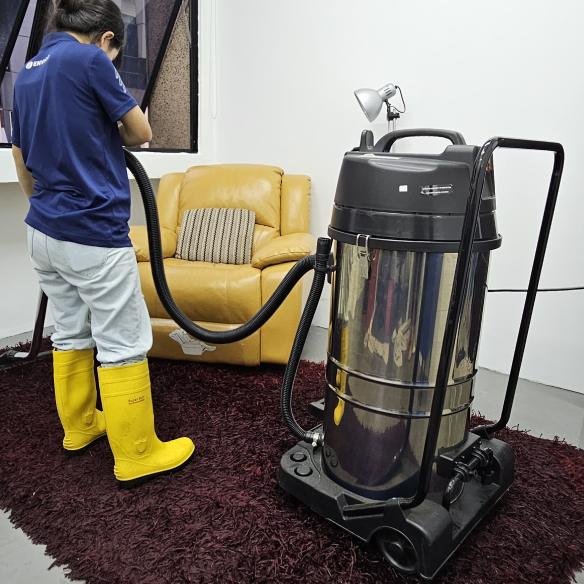
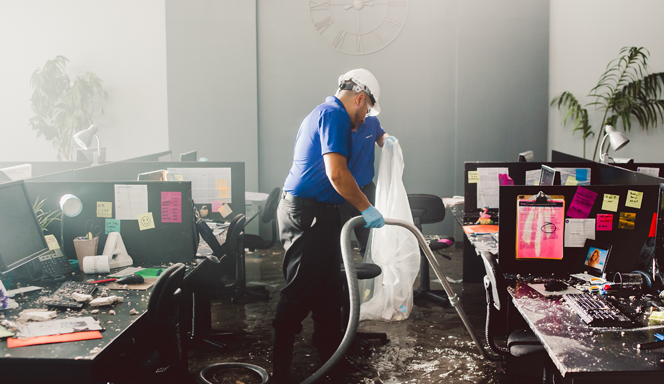
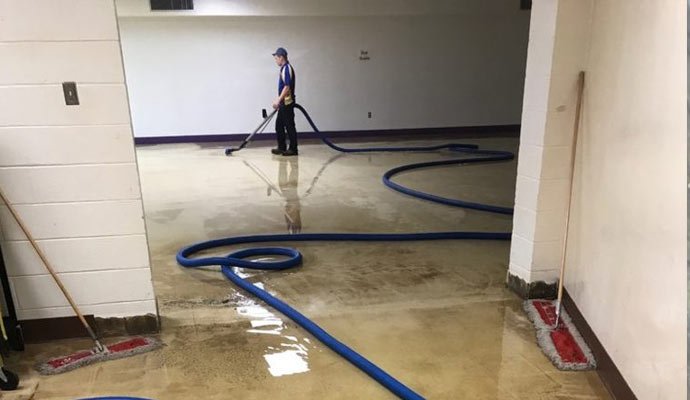
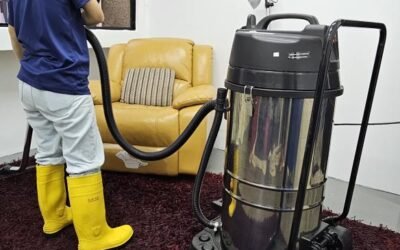
The first step in sewage clean up is the removal of standing water. Using pumps, wet vacuums, or buckets, carefully remove as much contaminated water as possible. For large-scale incidents, professional services have industrial-grade equipment designed to safely extract sewage water without exposing homeowners to pathogens.
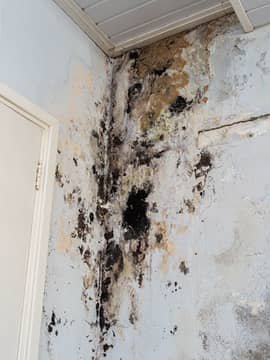
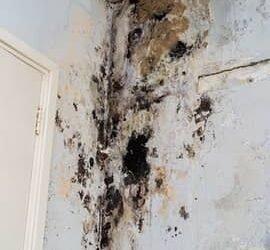
It’s important to note that improperly handling contaminated water can worsen the situation. Sewage water can seep into floors, walls, and furniture, creating a long-term risk of mold growth and lingering bacteria. Immediate extraction is critical to prevent these secondary hazards.
Cleaning and Disinfecting Surfaces
After removing the water, all affected surfaces must be thoroughly cleaned and disinfected. Hard surfaces like floors, walls, and countertops should be scrubbed using a solution of water and an EPA-approved disinfectant. Porous materials such as carpets, upholstered furniture, and drywall often cannot be fully sanitized and may need to be removed and replaced.
During sewage clean up, it’s essential to follow manufacturer guidelines for disinfectants. Allow surfaces to remain wet for the recommended duration to ensure pathogens are effectively killed. Neglecting this step can leave dangerous microbes behind, putting your family at risk even after the visible mess is gone.
Dealing with Contaminated Belongings
Sewage contamination can ruin personal belongings, including clothing, bedding, and toys. Items that can be laundered should be washed in hot water with a disinfecting detergent. Anything that cannot be adequately cleaned, such as mattresses, rugs, or soft toys, should be discarded.
Documenting damaged items for insurance purposes is recommended. Many homeowners’ insurance policies cover sewage clean up costs, including replacement of contaminated possessions. Having a detailed record of the affected items can simplify claims and ensure you receive proper compensation.
Drying and Dehumidification
Once the water has been removed and surfaces disinfected, thorough drying is essential. Moisture left behind after a sewage clean up can lead to mold growth, which carries its own health risks. Use fans, dehumidifiers, and open windows to facilitate drying. For larger affected areas, professional restoration companies employ industrial drying equipment to ensure the property is completely dry and safe.
Regular monitoring of humidity levels is recommended during the drying process. Moisture meters can help determine whether hidden areas, like under floors or inside walls, still contain water. Addressing residual moisture prevents long-term damage and recurring health hazards.
Proper Waste Disposal
Sewage clean up generates a significant amount of hazardous waste. Proper disposal is crucial to prevent contamination of the environment and local water systems. All waste, including contaminated water, rags, and disposable PPE, should be placed in heavy-duty plastic bags and sealed tightly. Local regulations often dictate how sewage waste must be handled, so consult your municipality or hire professionals familiar with these rules.
Never pour sewage water down drains that are not part of the sanitary sewer system, as this can create further hazards and legal issues. Proper disposal is a critical part of the clean up process to ensure safety for both your family and your community.
When to Call Professionals
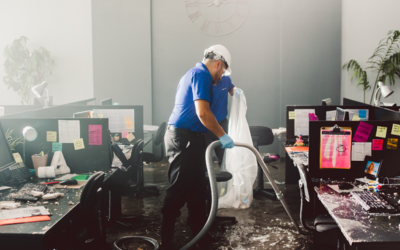
While small sewage incidents may be managed by homeowners with proper precautions, many situations require professional intervention. Licensed sewage clean up services have the experience, tools, and chemicals needed to safely and effectively remove contamination. They can handle large-scale water extraction, deep cleaning, mold remediation, and proper waste disposal.
Professional services also provide a level of assurance that your property has been sanitized according to health standards. This reduces the risk of lingering bacteria, mold growth, and long-term damage that can compromise the safety of your home.
Preventing Future Sewage Incidents
After a sewage clean up, it’s important to take preventive measures to reduce the likelihood of future contamination. Regular maintenance of plumbing systems, installation of backflow prevention devices, and proper grading around your home to prevent water intrusion are all effective strategies. Keeping gutters and drains clear and scheduling routine inspections can significantly lower the risk of future sewage backups.
Education is another key factor. Ensure all family members know the risks of sewage exposure and the importance of reporting leaks or unusual odors immediately. Early detection is crucial in mitigating health hazards and property damage.
Conclusion
Sewage clean up is a critical process that goes beyond simply removing dirty water. It involves meticulous cleaning, disinfection, and careful handling of contaminated materials to protect your family’s health. Understanding the dangers of sewage, taking proper safety precautions, and knowing when to call professionals are essential steps in safeguarding your home. By following these guidelines, you can minimize health risks, prevent long-term property damage, and restore a safe environment for your loved ones.
Every step of the sewage clean up process plays a role in ensuring that your home is not only clean but also safe from harmful pathogens. Timely and thorough action is the key to protecting your family and maintaining a healthy living environment after a sewage incident.