



Selecting the Ideal Electrical Thermal Imaging Camera for Your Requirements
Thermal imaging for electrical applications has become an essential tool for modern electricians, engineers, and maintenance professionals. With the ability to detect heat variations invisible to the naked eye, thermal cameras help identify faults before they become costly failures. Choosing the right device, however, requires understanding key features, performance factors, and how they apply to your specific needs electrical thermal imaging camera.
Understanding Thermal Imaging for Electrical Applications
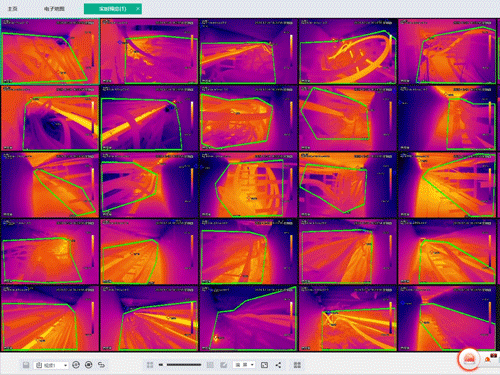
Thermal imaging for electrical systems works by detecting infrared radiation emitted from components such as wires, breakers, transformers, and panels. These devices convert temperature differences into visible images, allowing users to quickly spot overheating or abnormal heat patterns.
Electrical faults often generate excess heat due to resistance, loose connections, or overloaded circuits. By using a high-quality thermal imaging camera, professionals can perform non-contact inspections and improve safety while reducing downtime. According to industry insights, thermal inspections are crucial for predictive maintenance, helping extend equipment life and minimize repair costs .
Why You Need an Electrical Thermal Imaging Camera
Electrical systems can fail without visible warning signs. Thermal imaging for electrical inspections enables early detection of issues such as:
- Loose or corroded connections
- Overloaded circuits
- Phase imbalance
- Failing components
Using a reliable camera ensures that these problems are identified before they escalate into major failures or safety hazards.
Key Features to Look for in a Thermal Imaging Camera
Resolution and Image Quality
One of the most important factors in thermal imaging for electrical inspections is resolution. Higher resolution cameras provide clearer and more detailed thermal images, making it easier to identify small temperature differences.
For example, professional-grade models like the Guide Sensmart PS610 offer 640×480 infrared resolution, delivering sharp and precise imaging for complex diagnostics .
Thermal Sensitivity (NETD)
Thermal sensitivity determines how well a camera can detect subtle temperature differences. A lower NETD value means better sensitivity. For electrical work, cameras with sensitivity below 40mK are recommended to detect early-stage faults .
Temperature Range
Electrical systems operate across a wide range of temperatures. A good thermal camera should cover at least -20°C to 550°C or higher. This ensures accurate readings for everything from low-voltage wiring to high-temperature industrial equipment.
Devices like the Guide Sensmart PF210 provide a wide temperature range, making them suitable for diverse electrical inspection tasks .
Ease of Use and Portability
For fieldwork, portability is essential. Compact devices allow technicians to perform inspections quickly and efficiently. Pocket-sized cameras are ideal for routine maintenance, while larger models are better suited for advanced diagnostics.
The Guide Sensmart P120V is designed for easy handling and quick inspections, making it a practical choice for everyday use .
Advanced Features
Modern thermal cameras offer advanced capabilities such as:
- Wi-Fi connectivity for data sharing
- Image fusion for better clarity
- AI-based analysis tools
- Temperature alarms
High-end models like the Guide Sensmart PT650 include features like autofocus and image fusion technology, improving inspection accuracy and efficiency .
Types of Thermal Imaging Cameras
Handheld Thermal Cameras
Handheld devices are the most common choice for electrical inspections. They are portable, easy to use, and suitable for both beginners and professionals.
The Guide Sensmart H2 is an example of a versatile handheld camera designed for industrial and electrical applications, offering fast data capture and clear imaging .
High-Performance Thermal Cameras
These cameras are designed for advanced diagnostics and large-scale inspections. They offer higher resolution, better sensitivity, and more analytical features.
Professionals working in substations or industrial environments often prefer high-performance models like the Guide Sensmart PS and PT series.
Pocket Thermal Cameras
Compact and lightweight, pocket cameras are ideal for quick inspections and on-the-go use. While they may have lower resolution compared to high-end models, they are highly convenient for routine checks.
Matching the Camera to Your Needs
Choosing the best thermal imaging camera depends on your specific application. Consider the following scenarios:
For Basic Electrical Maintenance
If you perform routine inspections, a compact and easy-to-use camera is sufficient. Pocket-sized models provide quick diagnostics without requiring advanced expertise.
For Industrial Inspections
Large-scale facilities require high-resolution cameras with advanced features. These models allow for detailed analysis and accurate reporting.
For Professional Thermography Experts
Experts who conduct detailed inspections should invest in high-performance cameras with superior sensitivity, resolution, and analytical tools.
Benefits of Using Guide Sensmart Thermal Cameras
When selecting a thermal imaging camera, reliability and innovation are key. Guide Sensmart offers a wide range of solutions tailored for electrical inspections and industrial applications.
Their cameras are known for:
- High-resolution infrared detectors
- Advanced image processing technology
- User-friendly design
- Durable construction for field use
These features ensure accurate diagnostics and long-term performance, making them a trusted choice for professionals.
Common Mistakes to Avoid
When choosing a thermal imaging camera, avoid these common pitfalls:
- Choosing low resolution for detailed work
- Ignoring thermal sensitivity specifications
- Overlooking temperature range requirements
- Buying overly complex equipment for simple tasks
Selecting the right balance between features and usability is crucial for effective thermal imaging for electrical applications.
Final Thoughts
Thermal imaging for electrical inspections is no longer optional—it is a necessity for maintaining safety, efficiency, and reliability. By understanding key features such as resolution, sensitivity, and temperature range, you can choose a camera that meets your specific needs.
Whether you require a compact device for quick checks or a high-performance camera for detailed analysis, Guide Sensmart offers a comprehensive range of solutions designed to deliver accurate and reliable results. Investing in the right thermal imaging camera will not only improve your workflow but also help prevent costly electrical failures in the long run.