

How to Handle Water Damage Cleaning Like a Pro
Water damage can strike at any time, whether from a burst pipe, heavy rain, or accidental flooding. Handling it quickly and effectively is crucial to prevent further damage and costly repairs. Mastering water damage cleaning requires a combination of preparation, proper tools, and knowledge of the restoration process. This guide will help you navigate each step like a professional.
Understanding Water Damage
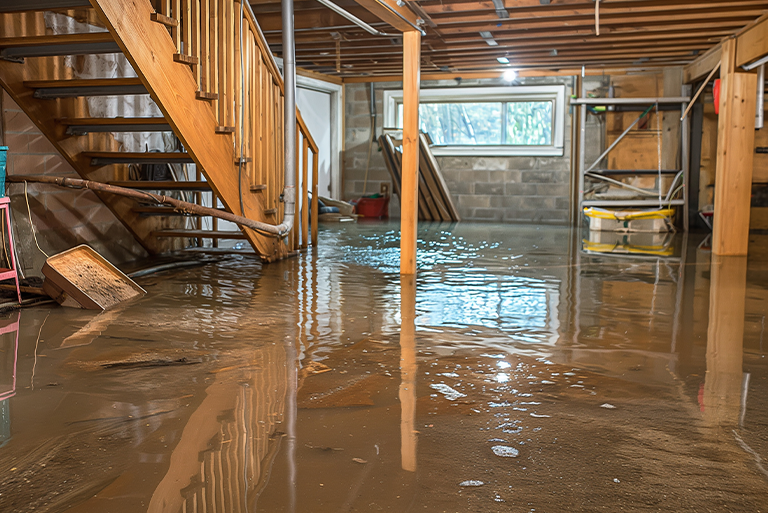
Water damage isn’t just about wet floors or soaked carpets. It can compromise the structural integrity of your home, promote mold growth, and ruin personal belongings. Water damage is generally classified into three categories: clean water, gray water, and black water. Clean water comes from a clean source such as a leaking pipe or rainwater. Gray water includes slightly contaminated water from sinks or washing machines. Black water is highly contaminated, often from sewage backups, and poses serious health risks. Identifying the type of water damage is the first step in planning effective water damage cleaning.
Acting Quickly Is Key
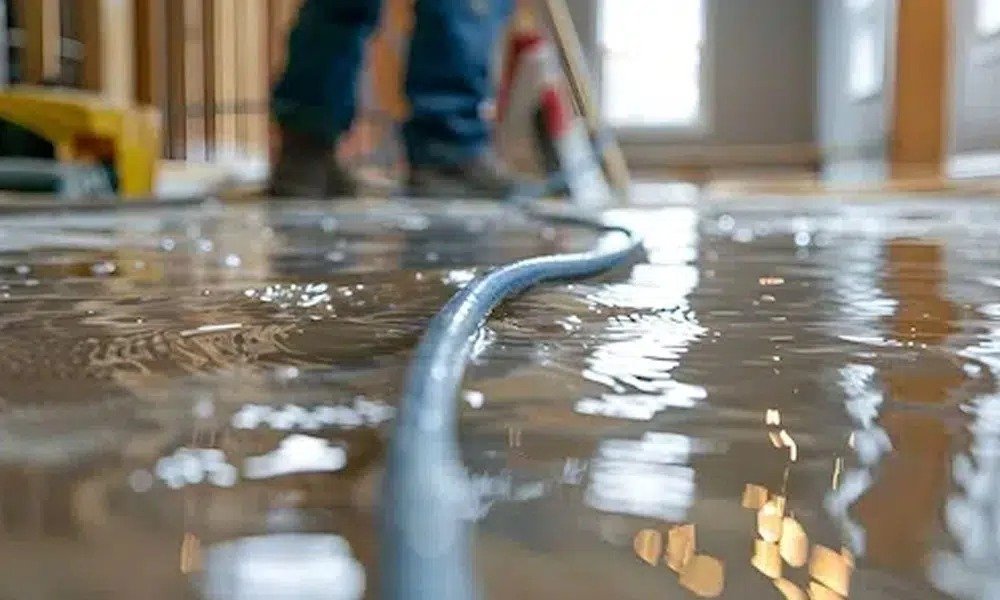
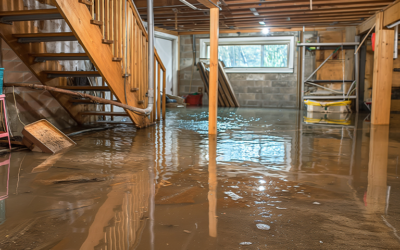
Time is the most critical factor in water damage cleaning. The longer water sits, the more it penetrates into walls, flooring, and furniture. Immediate action can minimize damage and reduce repair costs. Start by assessing the extent of the damage, ensuring safety first. Turn off electricity in affected areas to avoid electric shocks, and wear protective gear like gloves and boots. Removing excess water quickly is essential. Use a wet/dry vacuum for small amounts or pumps for larger floods to prevent water from spreading further.
Removing Water and Moisture
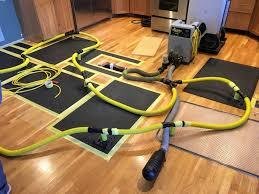
Once the area is safe, the next step is extracting water. Water damage cleaning professionals often use industrial-grade equipment to remove moisture from carpets, flooring, and furniture. In homes, you can use household tools like mops, towels, and portable wet vacuums for minor damage. For carpets, lift and prop them to allow airflow underneath, which speeds up drying. Hardwood floors may require lifting boards if water has seeped underneath. Keep windows open and fans running to improve ventilation and accelerate the drying process. Dehumidifiers are also highly effective in removing excess moisture from walls and furniture.
Cleaning and Sanitizing Affected Areas
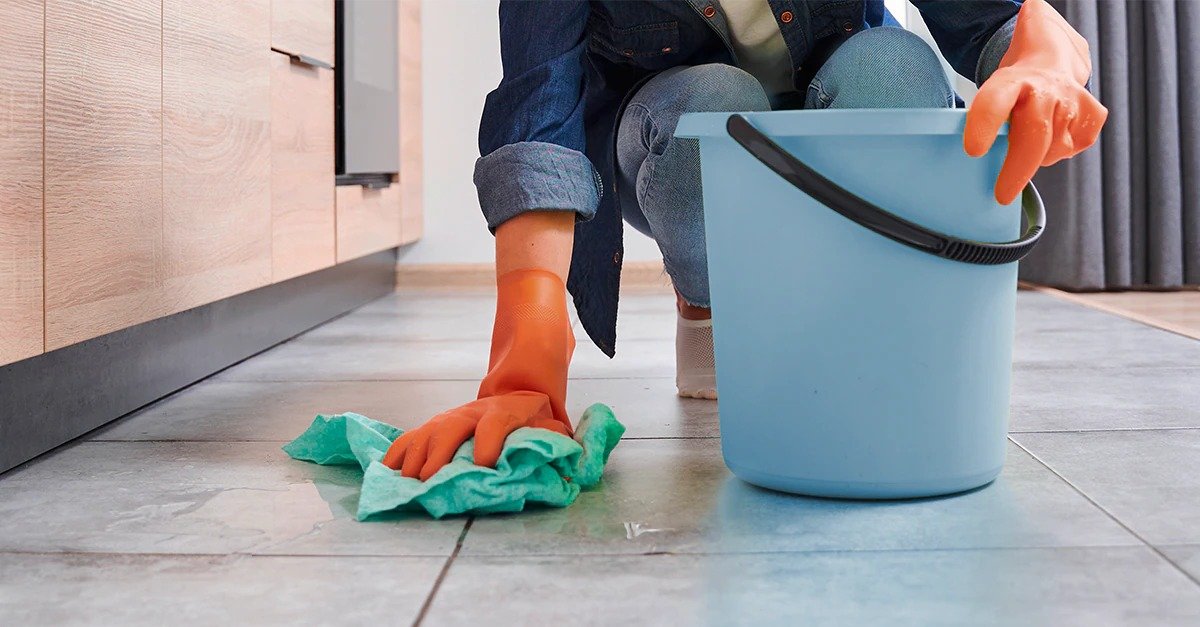
Water carries dirt, bacteria, and other contaminants, making cleaning and disinfecting crucial. Use a mild detergent mixed with warm water to scrub walls, floors, and other surfaces. For areas affected by gray or black water, stronger disinfectants or antimicrobial solutions are necessary. Don’t forget hidden areas like baseboards, behind appliances, and inside cabinets, which can harbor bacteria and mold spores. Thorough cleaning helps prevent lingering odors and reduces the risk of mold growth, a common problem after water damage.
Handling Furniture and Personal Belongings
Furniture, electronics, and personal belongings require careful attention during water damage cleaning. Wooden furniture can swell or warp if exposed to water for too long, while fabrics may develop stains or odors. Remove furniture from wet areas and dry them outdoors if possible. Upholstery and mattresses may need professional cleaning or replacement depending on the severity of the water exposure. Electronics should never be powered on while wet; instead, have them checked by a professional before reuse.
Preventing Mold Growth
Mold can start growing within 24 to 48 hours after water damage, making prevention a priority. Keep affected areas dry and well-ventilated, and use fans and dehumidifiers to reduce moisture. Inspect hidden spaces, including behind walls and under flooring, for any signs of mold. For small mold patches, scrub the area with a mixture of water and detergent, then dry completely. Larger infestations require professional intervention. Preventive measures such as sealing leaks, improving drainage, and maintaining proper humidity levels can minimize future water damage problems.
Understanding Structural Damage
Water can weaken the structural components of a building, including walls, floors, and ceilings. As part of professional water damage cleaning, inspect for warping, cracks, or soft spots that indicate serious damage. Address structural issues promptly to prevent collapse or further deterioration. In many cases, water-soaked drywall or insulation may need to be removed and replaced. Hiring a qualified contractor or restoration specialist ensures that structural repairs are done safely and effectively.
Using Professional Tools and Techniques
Professional water damage cleaning involves specialized tools and techniques that speed up restoration and improve results. Moisture meters and infrared cameras help identify hidden water pockets. Industrial-grade dehumidifiers, air movers, and water extraction machines are more effective than household equipment. Understanding when to call a professional is essential—especially for extensive flooding, contaminated water, or structural damage. Professionals can also provide proper documentation for insurance claims, making the process smoother and more efficient.
Maintaining Safety Throughout the Process
Safety should always be a top priority during water damage cleaning. Electrical hazards, slippery surfaces, and exposure to bacteria and mold make precautions essential. Wear protective gear, avoid walking through standing water, and ventilate the area to reduce exposure to harmful substances. Keeping children and pets away from affected areas helps prevent accidents. Safety considerations are particularly important when dealing with gray or black water, as these carry higher health risks.
Final Restoration and Prevention Tips
After thorough cleaning and drying, final restoration ensures your home returns to its pre-damage state. Reinstall flooring, repair walls, and replace damaged furniture. Consider using water-resistant materials for areas prone to flooding. Preventive strategies include regular inspection of pipes, roof, and drainage systems, installing sump pumps, and maintaining proper home ventilation. Being proactive can save significant time, money, and stress if water damage occurs again.
Water damage cleaning can feel overwhelming, but with a systematic approach, you can handle it like a pro. Quick action, proper drying, thorough cleaning, and preventive measures make all the difference in protecting your home and belongings. By following these steps, you ensure that water damage doesn’t leave a lasting impact, keeping your home safe, clean, and comfortable.
Would you like me to also add a step-by-step checklist for homeowners to follow during water damage cleaning? It would make the article even more practical.