



How Blik to Card Payments Are Changing the Fintech Landscape
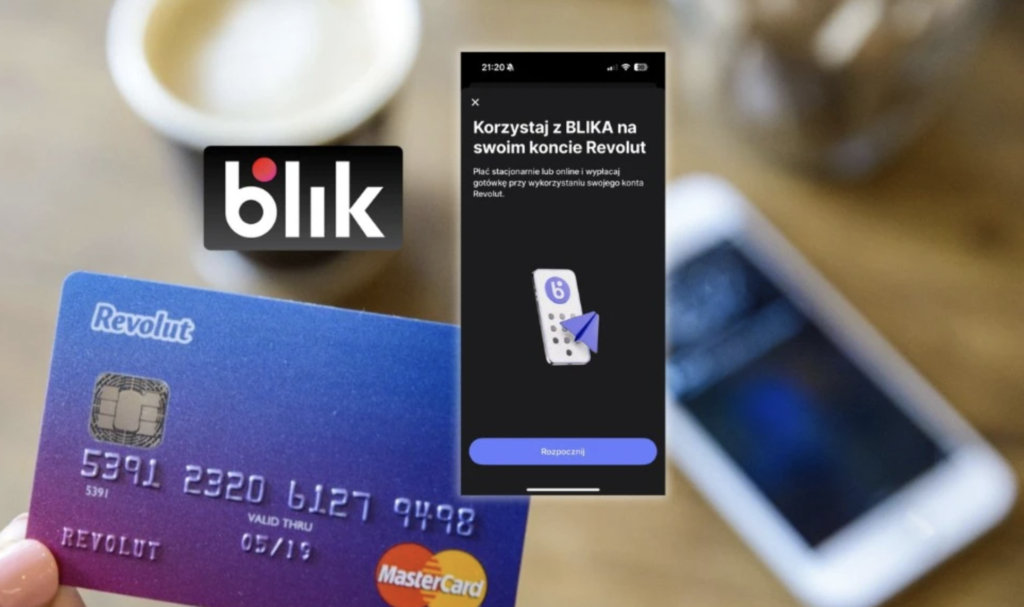
The global fintech ecosystem is evolving rapidly, driven by the demand for faster, simpler, and more accessible payment solutions. Among the most transformative innovations is Blik-to-card technology, a hybrid payment model that combines local bank-based systems with global card networks. This approach is redefining how money moves across borders and platforms.
One notable example is https://www.fenige.com/products/blik-to-card, which demonstrates how fintech companies are bridging traditional banking infrastructure with modern payment rails to deliver seamless user experiences.
Understanding Blik and Its Evolution
Blik is a mobile payment system that originated in Poland and has quickly become one of the most widely used payment methods in the region. It allows users to initiate transactions using a one-time six-digit code generated within their banking app, eliminating the need for physical cards or account details.
Since its launch in 2015, Blik has experienced exponential growth, reaching millions of users and processing billions of transactions annually. This success is largely due to its simplicity, security, and deep integration with banking applications.
However, while Blik is highly effective for domestic payments, its traditional use cases were somewhat limited when it came to global transactions. This is where Blik-to-card solutions come into play.
What Is Blik to Card?
Blik-to-card is a payment innovation that allows users to send money from a Blik-enabled bank account directly to a debit or credit card, often within seconds. According to https://www.fenige.com/products/blik-to-card, this process combines Blik as the initiation method with card networks like Visa or Mastercard for fund delivery.
In practical terms, the sender uses Blik within their banking app, and the system converts that payment into a transfer that is credited to the recipient’s card—typically within 30 seconds.
This fusion of local payment methods with global card infrastructure is a powerful step forward in fintech innovation.
Why Blik to Card Is a Game-Changer
Bridging Local and Global Payment Systems
One of the biggest challenges in fintech has always been interoperability. Local payment methods often operate in silos, making cross-border transactions slow and expensive.
Blik-to-card solves this by connecting a local payment method (Blik) with globally accepted card networks. This allows users to send money internationally without needing complex details like IBAN or SWIFT codes.
This seamless integration is helping fintech platforms expand beyond regional limitations.
Speed and Real-Time Transactions
Traditional international transfers can take hours or even days to process. In contrast, Blik-to-card payments are typically completed in under 30 seconds.
This near-instant settlement is critical in today’s digital economy, where users expect real-time financial interactions.
Enhanced User Experience
User experience is at the heart of fintech innovation. Blik-to-card simplifies the payment process by:
- Eliminating the need for bank account numbers
- Allowing transfers using just a card number
- Enabling payments directly from mobile banking apps
This level of simplicity reduces friction and increases adoption rates among users.
Impact on Fintech Platforms
Expansion of Payment Options
Fintech companies are constantly seeking ways to diversify their payment offerings. By integrating solutions like https://www.fenige.com/products/blik-to-card, platforms can provide users with additional payment methods that cater to local preferences while maintaining global reach.
This is especially valuable for digital wallets, remittance services, and neobanks aiming to serve international audiences.
Competitive Advantage
Offering Blik-to-card capabilities gives fintech companies a competitive edge. It allows them to:
- Attract users from regions where Blik is popular
- Provide faster and cheaper cross-border transfers
- Differentiate themselves from traditional banking services
As fintech competition intensifies, such innovations become key differentiators.
Enabling New Use Cases
Blik-to-card is not limited to peer-to-peer transfers. It opens up a wide range of applications, including:
- Refunds and payouts directly to cards
- Gig economy payments
- E-commerce reimbursements
- International remittances
These use cases are reshaping how businesses and consumers interact financially.
Security and Compliance Advantages
Security is a major concern in digital payments, and Blik-to-card solutions address this effectively.
Blik transactions require authentication within the user’s banking app, often using biometrics or PIN verification. At the same time, card networks add another layer of security through established protocols and fraud prevention mechanisms.
This dual-layer security model enhances trust among users and reduces the risk of fraud.
Additionally, providers like Fenige operate under strict regulatory frameworks, ensuring compliance with payment laws and industry standards.
The Role of APIs and Fintech Infrastructure
Modern fintech thrives on APIs, and Blik-to-card solutions are no exception. These services are typically offered as API-based integrations, allowing developers to embed payment capabilities directly into apps and platforms.
This modular approach enables:
- Faster product development
- Scalability across markets
- Seamless integration with existing systems
As a result, fintech companies can innovate more rapidly and respond to changing market demands.
Challenges and Considerations
While Blik-to-card offers numerous benefits, it is not without challenges.
Limited Geographic Adoption
Blik is primarily used in Poland, although it is expanding into other European markets. This means that adoption of Blik-to-card solutions may initially be limited to regions where Blik is popular.
Dependence on Card Networks
Although integrating with card networks provides global reach, it also means reliance on existing infrastructure, which may involve fees and regulatory constraints.
Consumer Awareness
As with any new technology, user education is essential. Many consumers may not yet be familiar with how Blik-to-card works or its advantages over traditional methods.
Future Outlook
The future of payments is increasingly hybrid, combining the strengths of different systems to create more efficient solutions. Blik-to-card is a prime example of this trend.
As fintech continues to evolve, we can expect:
- Greater adoption of hybrid payment models
- Expansion of Blik into new markets
- Increased collaboration between banks, fintechs, and card networks
These developments will further accelerate the shift toward faster, more inclusive financial systems.
Conclusion
Blik-to-card payments represent a significant leap forward in the fintech landscape. By merging local payment methods with global card infrastructure, they offer a powerful solution to some of the industry’s biggest challenges.
Solutions like https://www.fenige.com/products/blik-to-card are not just improving payment efficiency—they are redefining how money moves in a connected world. With their speed, simplicity, and scalability, Blik-to-card payments are poised to play a central role in the future of digital finance.