



Expert Flood Damage Cleanup Tips to Prevent Long-Term Issues
Floods can be devastating for homeowners, causing not only immediate water damage but also long-term structural and health problems if not properly addressed. Knowing how to handle flood damage cleanup efficiently can save time, money, and stress. In this guide, we will cover essential tips for effective flood damage cleanup to help prevent long-term issues in your home.
Understanding Flood Damage
Flood damage cleanup begins with understanding the types of damage water can cause. Floodwater can seep into walls, floors, and furniture, leading to structural weaknesses, mold growth, and contamination. It is important to identify both visible and hidden damage, including water trapped under flooring or behind walls. Early intervention is critical to prevent long-term problems.
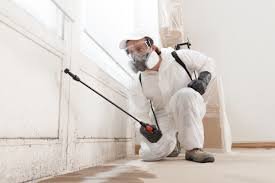
Floodwater may carry debris, chemicals, and bacteria, which increases health risks. Proper personal protective equipment such as gloves, boots, and masks should always be worn during cleanup. Recognizing these risks is the first step toward a successful flood damage cleanup.
Immediate Actions After Flooding
Time is of the essence after a flood. Quick and organized action can significantly reduce the severity of damage. Begin by ensuring safety: turn off electricity and gas lines before entering flooded areas. Avoid walking through standing water without proper protection.
Next, document the damage for insurance purposes. Take photos and videos of affected areas, including floors, walls, and personal belongings. Insurance claims for flood damage cleanup often require detailed evidence of loss.
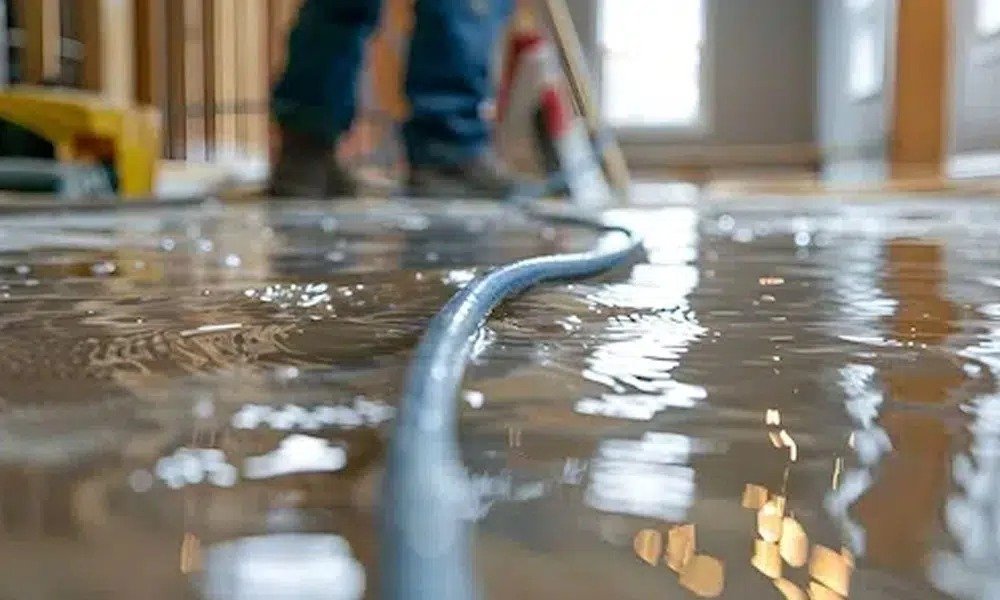
Remove water as soon as possible. Pumps, wet-dry vacuums, and buckets are useful for extracting standing water. The faster you remove water, the less likely structural components will suffer long-term damage.
Drying and Dehumidifying
Once water has been removed, thorough drying is essential. Open windows and doors to increase ventilation, and use fans and dehumidifiers to reduce moisture levels. Pay special attention to areas like basements, crawl spaces, and behind walls, where water can linger unnoticed.
Monitoring moisture levels is crucial. Even after visible water has been removed, high humidity can cause wood to warp, paint to peel, and mold to grow. A moisture meter can help track progress and ensure that surfaces are thoroughly dried before rebuilding or replacing materials.
Cleaning and Disinfecting
Flood damage cleanup is not just about removing water—it also involves cleaning and disinfecting affected areas. Contaminated water can introduce bacteria and pathogens, so thorough sanitization is necessary. Use specialized cleaning solutions suitable for surfaces like wood, concrete, and drywall.
Discard porous materials that have absorbed floodwater, such as carpets, rugs, and upholstered furniture, if they cannot be completely sanitized. Mold can develop quickly in these items, creating long-term health hazards. Non-porous surfaces, on the other hand, can often be cleaned and disinfected effectively.
Preventing Mold Growth
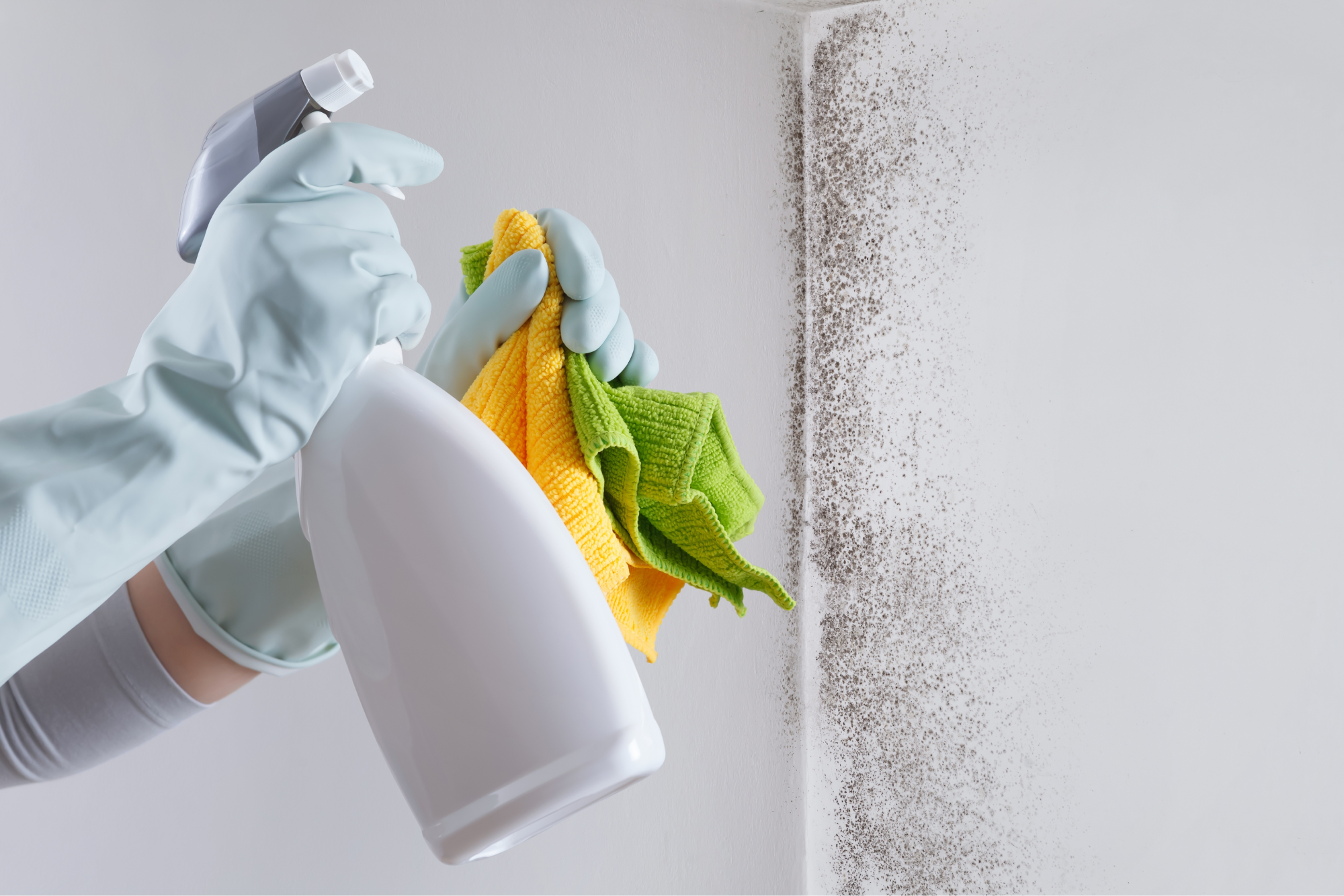
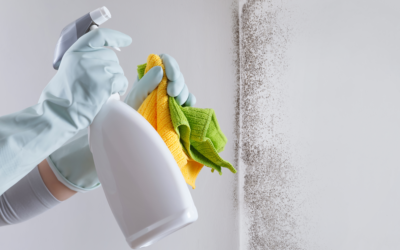
One of the most common long-term issues following flooding is mold. Mold can start growing within 24–48 hours of water exposure and can damage building materials as well as trigger respiratory problems. After removing water and drying the area, apply mold inhibitors to susceptible surfaces.
Regularly inspect previously flooded areas for signs of mold growth, such as discoloration, musty odors, or visible spots. If mold is detected, it is crucial to address it immediately to prevent it from spreading. Using proper protective gear and mold removal products is key to ensuring a safe cleanup.
Structural Assessment
After completing flood damage cleanup, it is important to evaluate the structural integrity of your home. Check for weakened floors, walls, and foundations. Water can cause wooden beams to rot and compromise the strength of concrete and masonry.
Engage a professional if you notice significant damage. Contractors and restoration specialists can assess hidden problems that may not be immediately visible. Early detection of structural issues can prevent costly repairs and enhance the safety of your home.
Protecting Electrical Systems
Flooding poses serious risks to electrical systems. Water can damage wiring, outlets, and appliances, creating hazards long after the flood has receded. Do not turn on electricity until a certified electrician has inspected your home.
During flood damage cleanup, avoid contact with electrical devices or outlets until they are confirmed safe. Replace or repair any damaged components to prevent future electrical fires or shocks.
Proper Disposal of Contaminated Materials
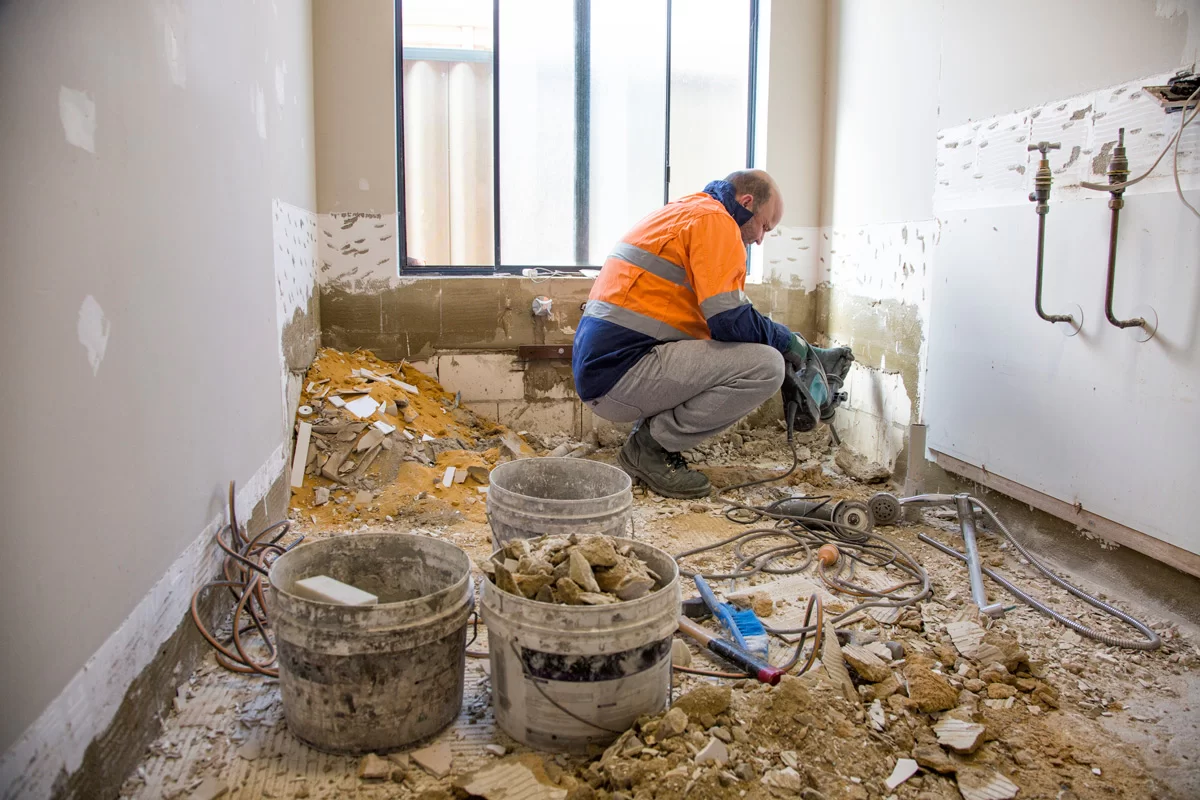
Flood cleanup often generates a significant amount of waste. Porous and heavily contaminated materials, including insulation, drywall, and carpet padding, should be safely discarded. Follow local regulations for the disposal of flood-damaged items.
Segregating debris into recyclable and non-recyclable categories can also help reduce environmental impact. Using heavy-duty bags and gloves during removal minimizes the risk of exposure to contaminants.
Preventive Measures for the Future
Once your home is restored, consider steps to minimize the impact of future flooding. Elevate electrical panels, appliances, and HVAC systems above potential flood levels. Seal cracks in foundations and walls, and install sump pumps or backflow valves.
Regular maintenance and inspection of drainage systems can also help prevent water accumulation. Flood damage cleanup is easier and more effective when preventive measures are in place.
Seeking Professional Assistance
While homeowners can manage minor flood damage cleanup, severe flooding often requires professional help. Restoration specialists have the equipment, expertise, and experience to address extensive water damage, prevent mold, and restore structural integrity efficiently.
Hiring experts ensures that cleanup is thorough and compliant with safety standards. Many companies also offer services such as water extraction, drying, mold remediation, and reconstruction, reducing the long-term impact of flooding on your home.
Conclusion
Flood damage cleanup is a critical process that goes beyond removing water. Prompt action, thorough drying, disinfection, and preventive measures are essential to prevent long-term structural and health issues. Understanding the risks, acting quickly, and seeking professional help when necessary can save homeowners from costly repairs and health hazards.
By following these expert tips, you can protect your home from the lingering effects of flooding and restore your living space safely and effectively. Prioritizing both immediate cleanup and preventive strategies ensures that your home remains resilient against future water-related disasters.
Flood damage cleanup may be challenging, but with proper knowledge and careful action, long-term problems can be minimized, keeping your home safe, healthy, and structurally sound.