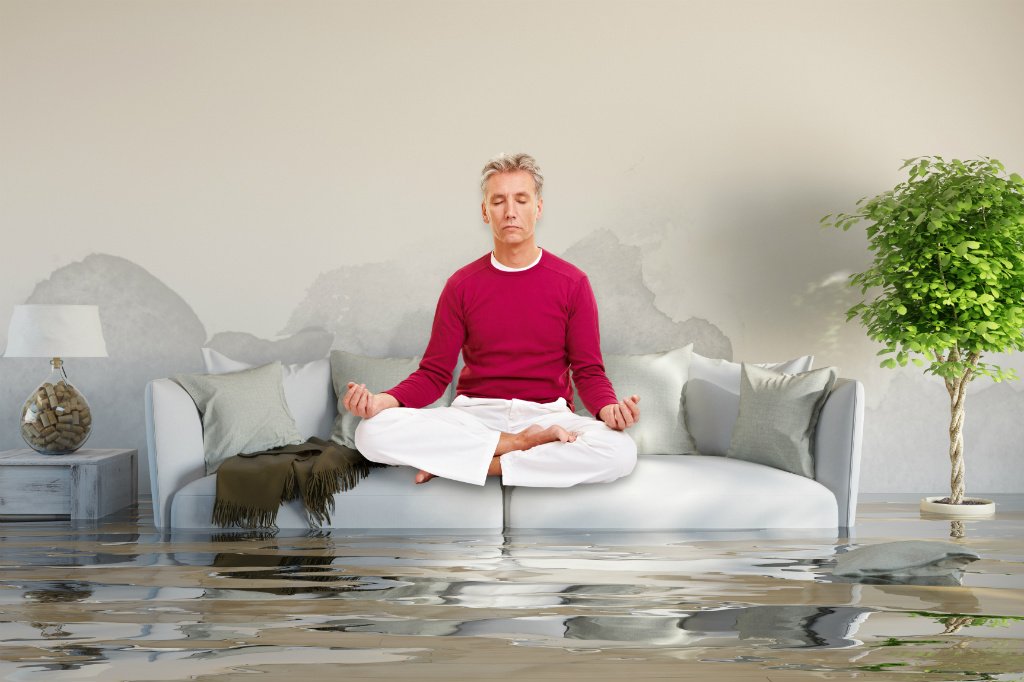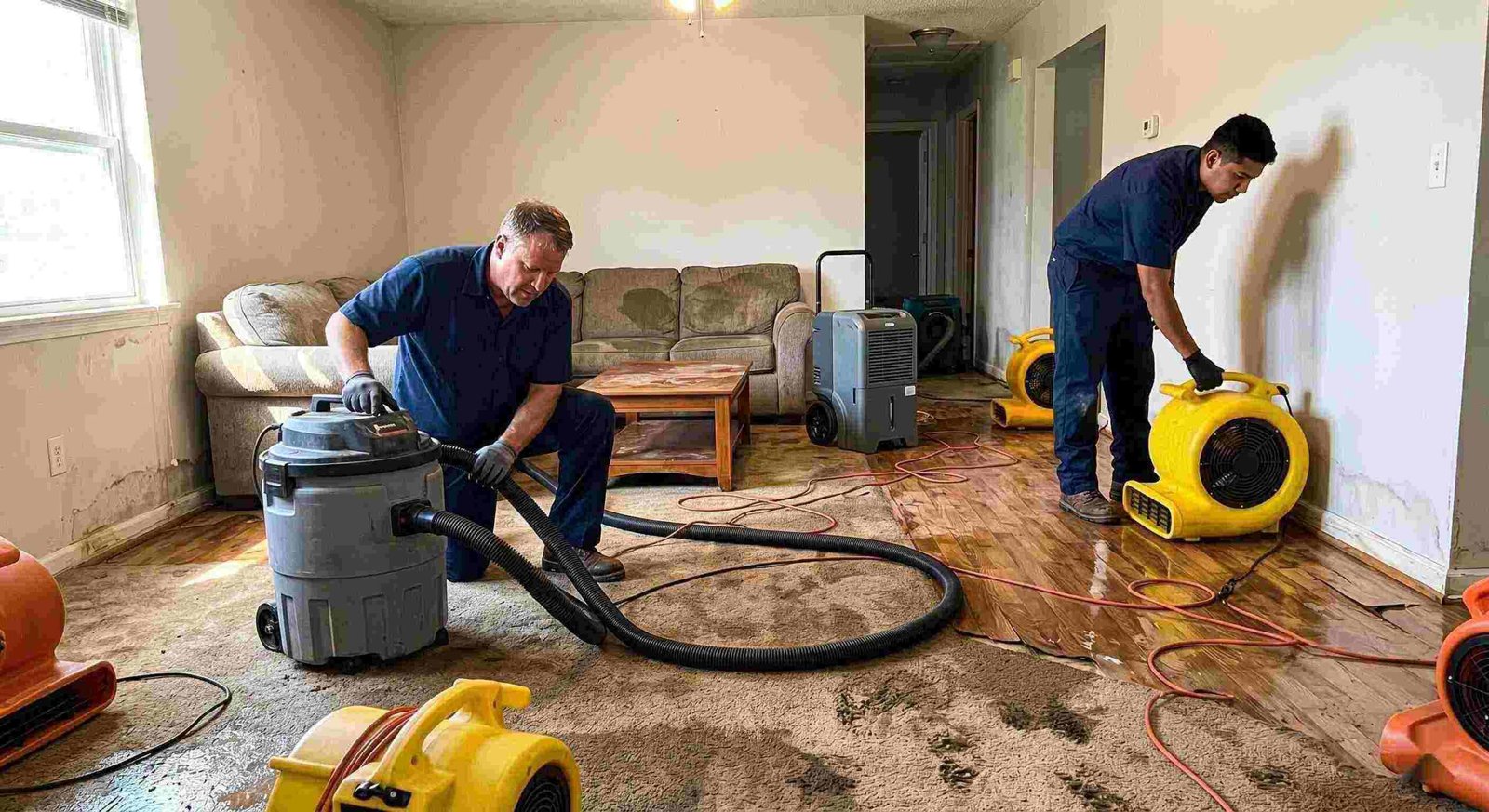
Water damage is one of the most unpredictable and destructive events that can strike a residential or commercial property. Whether caused by a burst pipe, severe storm flooding, a failing appliance, or an overflowing fixture, excess water rapidly penetrates floors, walls, cabinetry, and structural framework. Within hours, unmitigated water can compromise structural integrity, damage personal belongings, and create ideal conditions for mold growth.
When facing such a crisis, many property owners wonder whether they can manage the cleanup on their own or if they should bring in specialists. While minor spills are manageable with household tools, moderate to severe flooding demands specialized expertise, industrial machinery, and systematic restoration protocols. Understanding what makes a professional water damage cleanup service worth hiring can help property owners act quickly, protect their investment, and navigate an overwhelming situation with confidence.
Rapid Response and Advanced Water Extraction Technology
Time is the single most critical factor in mitigating water damage. The longer standing water remains in a building, the deeper it saturates porous materials like drywall, carpet padding, hardwood, and subflooring. A reliable water damage cleanup service operates around the clock, providing rapid emergency response to extract water before secondary damage worsens.
Professional technicians arrive equipped with heavy-duty, industrial-grade equipment that far outperforms consumer shop vacuums or household fans.
High-Powered Extraction Equipment
- Submersible pumps: Rapidly remove large volumes of standing water from basements, crawlspaces, and ground floors.
- Truck-mounted extraction units: Utilize immense suction power to pull moisture deeply embedded in carpeting, underlayment, and subfloors.
- Weighted extraction tools: Force trapped water out of heavy carpet pads without requiring total teardown when materials are salvageable.
By removing the bulk of the water within the first few hours, a water damage cleanup service significantly reduces overall structural damage and shortens the total drying timeline.
Comprehensive Moisture Detection and Structural Drying
One of the biggest pitfalls of DIY cleanup is assuming that a area is dry simply because it looks or feels dry on the surface. Water naturally follows gravity and the path of least resistance, often pooling behind baseboards, beneath laminate flooring, inside wall cavities, and within insulation. Trapped moisture that goes undetected inevitably leads to wood rot, drywall degradation, and widespread mold contamination.
A certified water damage cleanup service relies on sophisticated moisture detection tools rather than visual inspection alone.
Advanced Moisture Diagnostics
- Thermal Imaging Cameras: Infrared technology detects temperature differentials caused by hidden moisture behind walls, ceilings, and under floors without invasive tearing.
- Moisture Meters: Pin-type and non-invasive moisture meters measure the precise moisture percentage inside building materials to verify whether structural elements have returned to normal dry standards.
- Thermo-Hygrometers: Measure ambient air temperature and relative humidity levels to optimize drying conditions throughout the property.
Once hidden moisture is mapped, technicians deploy strategic drying setups featuring high-velocity air movers and commercial refrigerant or desiccant dehumidifiers. This scientific approach ensures that every layer of the structure is thoroughly dried, preventing long-term structural decay.
Prevention of Dangerous Mold and Microbial Growth
Mold spores exist naturally in indoor and outdoor air, but they require moisture and organic material to grow and multiply. Under optimal conditions, mold colonies can begin forming in as little as 24 to 48 hours following water exposure. Once mold takes root inside wall cavities or HVAC systems, it poses serious health risks, including respiratory irritation, allergic reactions, and exacerbated asthma symptoms.
Hiring a professional water damage cleanup service is essential for effective mold prevention and remediation.
- Antimicrobial Treatments: Specialists apply EPA-registered antimicrobials, fungicides, and sanitizers to eliminate bacteria, fungi, and mold spores on affected surfaces.
- Humidity Control: Commercial dehumidifiers pull moisture out of the air at a rate household units cannot match, keeping relative humidity levels low enough to halt fungal growth.
- Containment Procedures: If microbial growth has already begun, professionals establish negative air pressure containment zones to prevent spores from spreading to uncontaminated areas of the property.
Proper sanitation and moisture control ensure the property remains safe, clean, and healthy for occupants long after the visible water has been cleared.
Expertise in Handling Contaminated Water Classifications
Not all water damage is created equal. The Institute of Inspection, Cleaning and Restoration Certification (IICRC) categorizes water damage into three distinct categories based on the level of contamination present:
Water Contamination Categories
- Category 1 (Clean Water): Originates from sanitary sources such as broken water supply lines, clean tub or sink overflows, or falling rainwater.
- Category 2 (Grey Water): Contains significant contamination and can cause discomfort or illness if ingested. Examples include washing machine discharge, dishwasher overflow, or sump pump failures.
- Category 3 (Black Water): Grossly contaminated water containing harmful pathogens, bacteria, pesticides, or sewage. Examples include sewer backups, rising floodwaters from rivers, or stagnant water supporting microbial growth.
Handling Category 2 and Category 3 water without personal protective equipment (PPE) and proper biohazard disposal protocols puts individuals at severe health risk. A trained water damage cleanup service possesses the safety gear, disinfectant solutions, and regulatory knowledge required to safely clean, sanitize, and dispose of biohazardous water and contaminated building materials.
Seamless Insurance Claims Support and Documentation
Navigating property insurance claims after a flooding incident can be stressful and complex. Policyholders must provide thorough documentation, detailed inventory lists, precise moisture logs, and accurate estimates to ensure fair reimbursement under their coverage.
An experienced water damage cleanup service acts as a valuable liaison between property owners and insurance adjusters.
Key Administrative and Documentation Support
- Detailed Loss Assessments: Technicians create comprehensive reports detailing the source of water, extent of damage, affected materials, and recommended scope of work.
- Industry-Standard Billing: Most established restoration companies use Xactimate, the industry-standard software trusted by major insurance carriers, ensuring transparent line-item estimates.
- Moisture Logging: Daily psychrometric logs prove that proper drying protocols were followed, supporting the necessity of the equipment used.
- Direct Billing Options: Many professional cleanup companies work directly with insurance carriers, minimizing out-of-pocket stress for the property owner during a difficult time.
By providing clear proof of damage and proper mitigation procedures, professionals help accelerate claim approvals and maximize policy benefits.
Long-Term Cost Savings and Peace of Mind
While hiring specialists involves an initial cost, attempting DIY cleanup on moderate or severe water damage often leads to significantly higher expenses down the road. Unaddressed moisture concealed within subfloors or wall studs can cause structural weakening, requiring massive demolition and reconstruction months later. Furthermore, improperly dried spaces frequently develop extensive mold infestations that demand costly specialized remediation.
Investing in a qualified water damage cleanup service provides complete peace of mind. Property owners can rest assured that their home or business is thoroughly dried, sanitized, and structurally sound. By halting damage immediately, preserving salvageable materials, and preventing secondary issues, professional restoration contractors save property owners substantial time, stress, and money in the long run.