



Water Damage Restoration – Step-by-Step Guide to Successful Water Damage Restoration After a Flood
Experiencing a flood can be overwhelming and stressful. The damage to your home or business is not only physical but can also affect your peace of mind and financial stability. Effective water damage restoration is critical to returning your property to its original condition and preventing long-term issues like mold growth and structural damage. This guide will walk you through the essential steps of a successful water damage restoration process after a flood.
Understanding the Importance of Water Damage Restoration
When floodwaters enter your property, they bring more than just visible damage. Water can seep into walls, floors, and furniture, creating hidden problems that can worsen over time. Immediate and professional water damage restoration helps mitigate these risks. Proper restoration protects your property, ensures a safe environment, and minimizes long-term repair costs.
Floodwater is often contaminated with bacteria, chemicals, and other harmful materials, making quick action essential. By following a systematic restoration process, you can ensure safety and efficiency while restoring your home or office to its pre-flood state.
Step 1: Assess the Damage
The first step in water damage restoration is assessing the extent of the damage. Carefully examine every area affected by flooding, including floors, walls, furniture, and personal belongings. Documenting damage with photos and notes is essential for insurance claims and planning the restoration process.
Understanding the severity of water damage helps you determine whether professional help is required. While minor spills or leaks might be manageable, flooding typically demands expert intervention due to water contamination, structural risks, and potential mold growth.
Step 2: Ensure Safety and Stop Further Water Entry
Before starting restoration, ensure the area is safe. Floodwaters can hide electrical hazards, weak flooring, and structural instability. Turn off electricity at the main breaker to prevent electrocution and wear protective gear such as boots, gloves, and masks.
Stopping further water entry is crucial. Identify leaks or broken pipes and take temporary measures to prevent more damage. Water damage restoration cannot succeed if the source of water is still active, so addressing the root cause is essential.
Step 3: Remove Standing Water
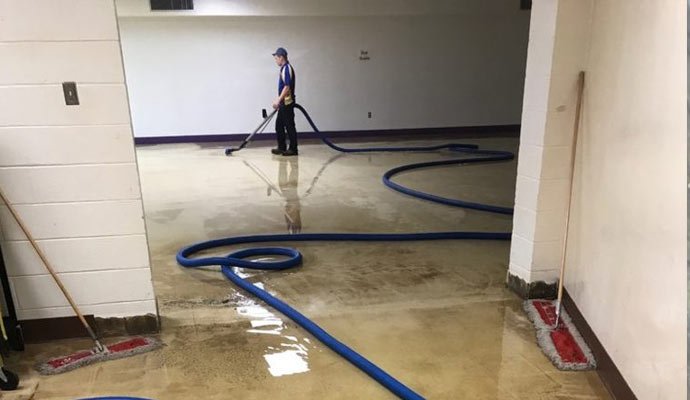
Removing standing water is a critical phase of water damage restoration. The longer water remains, the higher the risk of structural damage and mold. Use pumps, wet-dry vacuums, or buckets to remove water efficiently.
For large-scale flooding, professional water extraction equipment can speed up the process. It is important to act quickly and thoroughly during this step to minimize damage and create a safe environment for the next stages of restoration.
Step 4: Dry and Dehumidify the Area
After water removal, the drying process begins. Proper drying is essential to prevent mold growth and further deterioration. Use fans, dehumidifiers, and open windows if weather permits. Walls, floors, and furniture must be thoroughly dried to prevent moisture-related issues.
Professional water damage restoration services often use specialized industrial dryers and moisture meters to ensure that every hidden area is completely dry. Skipping this step or drying only visible surfaces can result in long-term problems that are expensive to fix.
Step 5: Clean and Sanitize
Floodwater often contains harmful bacteria, sewage, or chemicals, making cleaning and sanitization a crucial part of water damage restoration. Clean all affected surfaces using appropriate disinfectants and cleaning solutions.
Furniture, clothing, and personal items that can be salvaged should be thoroughly cleaned. In cases of severe contamination, it may be necessary to discard items that cannot be safely restored. Proper sanitization ensures a healthy living environment and prevents illness.
Step 6: Remove Damaged Materials
Some materials, such as drywall, insulation, or flooring, may be too damaged to restore. Removing and replacing these materials is essential for successful water damage restoration. Carefully assess what can be salvaged and what must be removed to prevent mold growth or structural issues.
Professional restoration teams can identify hidden damage and safely remove compromised materials without spreading contamination to other areas of the property.
Step 7: Inspect for Mold and Structural Damage
Even after drying and cleaning, mold can develop in hidden areas. A thorough inspection is crucial to ensure long-term safety. Look for signs of mold on walls, ceilings, and floors. Addressing mold early prevents health hazards and additional repair costs.
Structural damage should also be evaluated. Floodwater can weaken beams, flooring, and foundations. Hiring professionals for structural assessment ensures that your property is safe and meets building standards.
Step 8: Repair and Restore
Once the area is clean, dry, and safe, the restoration process continues with repairs. This includes replacing drywall, flooring, and insulation, as well as repainting and restoring furniture. The goal of water damage restoration is to bring your property back to its pre-flood condition.
Restoration may also involve upgrading water-resistant materials or installing protective barriers to prevent future damage. Modern restoration techniques focus not only on recovery but also on enhancing resilience against future floods.
Step 9: Prevent Future Water Damage
After successful restoration, consider steps to prevent future water damage. Installing sump pumps, improving drainage, sealing basements, and regular maintenance can reduce the risk of flooding. Being proactive minimizes the chance of recurring damage and lowers long-term costs.
Routine inspections and timely repairs of leaks, pipes, and roofing help protect your property. Investing in preventative measures is an essential complement to professional water damage restoration efforts.
Step 10: Work with Experienced Professionals
While some minor water damage can be managed independently, severe flooding requires professional water damage restoration services. Experts have specialized equipment, experience, and knowledge to handle large-scale water damage safely and efficiently.
Hiring professionals ensures that your property is restored thoroughly, risks are minimized, and insurance claims are properly documented. Certified restoration teams follow industry standards and best practices for optimal results.
Conclusion
Flooding is a challenging and often devastating event, but effective water damage restoration can help you recover safely and efficiently. By following a systematic, step-by-step approach—including assessing damage, removing water, drying, cleaning, repairing, and preventing future issues—you can restore your property and safeguard your investment.
Professional restoration services play a crucial role in ensuring safety, preventing mold, and returning your home or business to its pre-flood condition. Timely action, attention to detail, and adherence to proven restoration techniques are the keys to successful water damage restoration.
Taking the right steps not only restores your property but also provides peace of mind, knowing that your home is safe, healthy, and protected against future floods.