



Common Mistakes to Avoid During Flood Damage Cleanup
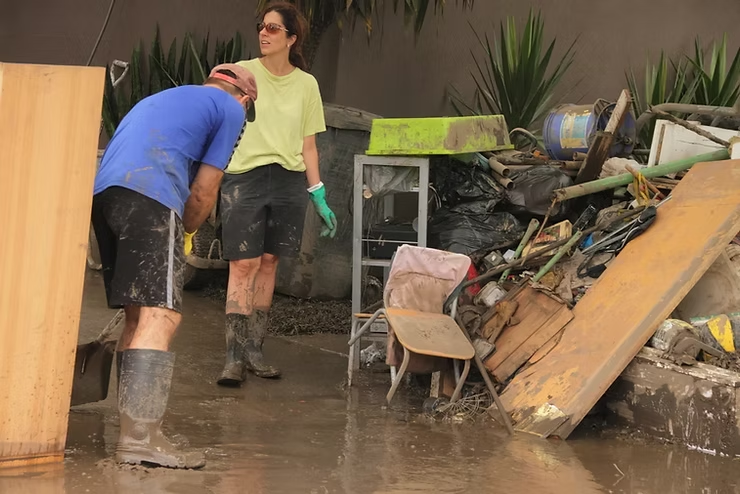
Flood damage can be devastating, affecting both the structure of your home and the items inside it. Undertaking flood damage cleanup requires careful planning, the right tools, and an understanding of potential hazards. Many homeowners, however, make mistakes that worsen the situation or put themselves at risk. Understanding these pitfalls can save time, money, and stress while restoring your home safely. In this article, we will explore the most common mistakes to avoid during flood damage cleanup.
Ignoring Safety Precautions
One of the biggest mistakes people make during flood damage cleanup is neglecting safety precautions. Floodwaters often carry harmful bacteria, sewage, and chemicals that can cause serious illness. Before entering a flooded area, it is important to wear protective gear such as gloves, waterproof boots, and masks. Electrical hazards are also a major concern; never touch electrical appliances or outlets while standing in water. Turning off electricity at the main breaker is essential to prevent electric shocks. Safety should always be the top priority before attempting any cleanup efforts.
Underestimating Water Damage
Another common error is underestimating the extent of water damage. Water can seep into walls, floors, and furniture, causing structural weaknesses and mold growth. Many homeowners focus only on visible areas, ignoring the hidden damage inside walls or under flooring. Using moisture meters can help assess how far water has penetrated. The longer water sits, the more damage it causes, so timely intervention is crucial. Professional flood damage cleanup services can provide a thorough assessment and prevent long-term problems.
Skipping Mold Prevention
Mold is a serious concern following flooding, and ignoring it can lead to health issues and property damage. One of the mistakes people make is cleaning up water without drying the area properly. Mold can begin to grow within 24 to 48 hours after flooding, especially in humid environments. After removing standing water, it is important to use dehumidifiers, fans, and proper ventilation to dry out the space. Discarding items that cannot be properly dried or disinfected is also necessary to prevent mold proliferation. Regular inspection for mold in hidden areas, such as behind walls or under carpets, is essential.
Using the Wrong Cleaning Methods
Flood damage cleanup requires specific cleaning methods, and using inappropriate techniques can worsen the situation. For example, simply hosing down surfaces with water may spread contaminants rather than remove them. It is important to use disinfectants approved for flood damage cleanup and to follow guidelines for cleaning walls, floors, and furniture. Porous materials like carpet and drywall may need to be removed entirely, as they can harbor bacteria and mold even after cleaning. Using the wrong cleaning products or skipping disinfection steps can compromise the safety and effectiveness of your cleanup efforts.
Delaying Cleanup Efforts
Time is of the essence when dealing with flood damage. One common mistake is delaying cleanup, either due to uncertainty, lack of resources, or waiting for insurance claims. However, the longer floodwaters remain in your home, the more severe the damage becomes. Delays can lead to structural deterioration, mold growth, and loss of personal belongings. Quick action, such as removing standing water, drying surfaces, and salvaging valuable items, is critical to minimizing long-term damage. Having a flood damage cleanup plan in place before a disaster strikes can help reduce delays and improve efficiency.
Neglecting Structural Damage
Floodwaters can weaken the structure of your home in ways that are not immediately visible. Ignoring signs of structural damage, such as sagging floors, cracks in walls, or warped doors, is a common mistake. These issues can worsen over time, leading to costly repairs or unsafe living conditions. After a flood, it is important to inspect the foundation, walls, and flooring for signs of damage. Professional inspectors or restoration experts specializing in flood damage cleanup can identify areas that need reinforcement or replacement, ensuring the integrity of your home.
Disposing of Items Improperly
Many homeowners are unsure about what to keep and what to discard after flooding. One mistake is attempting to salvage items that are unsafe or unsanitary. Contaminated furniture, mattresses, and personal belongings can pose health risks if not disposed of properly. Items that have absorbed floodwater should either be thoroughly cleaned and disinfected or discarded. Be cautious with sentimental items, and prioritize safety over preservation. Following guidelines from flood damage cleanup experts can help ensure proper disposal while preventing the spread of contaminants.
Ignoring Insurance Documentation
Insurance claims are a critical part of recovering from flood damage, yet many people make the mistake of not documenting their losses thoroughly. Before starting cleanup, take photos and videos of the damage, make lists of affected items, and keep receipts for any emergency repairs or cleaning supplies. Failure to document properly can result in denied or reduced claims, leaving homeowners with unexpected expenses. Maintaining detailed records and communicating with your insurance provider throughout the cleanup process is essential to a smooth recovery.
Relying Solely on DIY Cleanup
While minor water issues can sometimes be handled without professional help, large-scale flood damage requires expertise. Attempting a complete cleanup without professional support is a common mistake that can compromise safety and effectiveness. Restoration professionals are trained to handle contaminated water, structural repairs, mold prevention, and proper disposal. They also have access to specialized equipment that can significantly reduce the time and risk involved. Consulting with a flood damage cleanup company ensures that your home is restored safely and efficiently.
Overlooking Prevention for Future Floods
Finally, a mistake often made after a flood is failing to implement preventive measures. Once your home is cleaned and restored, it is important to consider how to minimize the impact of future floods. This may include installing sump pumps, improving drainage systems, sealing foundations, or elevating electrical systems. Preparing your home for potential flooding can reduce future damage, protect your belongings, and lower insurance costs. Learning from past floods and taking preventive action is a crucial part of long-term flood damage management.
Conclusion
Flood damage cleanup is a challenging task that requires careful planning, safety awareness, and timely action. Avoiding mistakes such as ignoring safety, underestimating water damage, skipping mold prevention, using incorrect cleaning methods, delaying cleanup, neglecting structural issues, improper disposal, inadequate documentation, relying solely on DIY methods, and ignoring preventive measures can make the difference between a successful recovery and long-term problems. Prioritizing safety, thoroughness, and professional guidance ensures that your home is restored effectively, your health is protected, and your property is safeguarded against future flooding. By learning from these common pitfalls, homeowners can navigate flood damage cleanup with confidence and efficiency while minimizing risks and costs.
This article emphasized the importance of proper flood damage cleanup to safeguard both your home and well-being. Taking preventive measures and avoiding common mistakes can significantly improve recovery outcomes after a flood.