



Water Damage Cleaning Made Simple: Steps That Actually Work
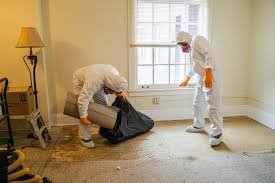
Water damage in homes or businesses can be overwhelming. From leaky pipes to severe flooding, the aftermath often leaves property owners stressed and unsure of how to proceed. However, with proper knowledge and a clear plan, water damage cleaning can be manageable and even straightforward. This article breaks down practical steps that actually work, ensuring your space can be restored efficiently and safely.
Understanding the Importance of Water Damage Cleaning
Water damage cleaning is not just about removing visible water. It is a crucial process that prevents long-term issues such as mold growth, structural damage, and health risks from contaminated water. The longer water remains, the higher the chance of permanent damage. Addressing the problem quickly ensures your property remains safe and intact.
Assessing the Damage
The first step in water damage cleaning is assessing the extent of the damage. Identify the source of water and determine whether it is clean, gray, or black water. Clean water comes from sources like broken pipes or rain, gray water may contain mild contaminants from sinks or washing machines, and black water is heavily contaminated, often from sewage. Each type requires a different approach and safety precautions.
Documenting the damage with photos or videos is also recommended. This step is helpful for insurance claims and provides a clear record of affected areas before cleanup begins.
Ensuring Safety First
Before starting water damage cleaning, safety should be a top priority. Turn off electricity in affected areas to avoid electrocution risks. Wear protective gear such as gloves, boots, and masks, especially if the water is contaminated. Proper ventilation is essential to reduce exposure to mold spores and other airborne particles during cleanup.
Removing Standing Water
One of the most critical steps in water damage cleaning is removing standing water. Use a combination of pumps, wet/dry vacuums, and mops depending on the amount of water. Quick removal prevents further damage to flooring, walls, and furniture. For larger areas, professional water extraction services may be necessary, as they have specialized equipment to handle high volumes efficiently.
Drying and Dehumidifying
Once standing water is removed, the drying process begins. Water damage cleaning relies heavily on effective drying to prevent mold growth. Use fans, dehumidifiers, and open windows to improve airflow. Walls, carpets, and wooden surfaces must be thoroughly dried. Keep monitoring moisture levels over several days to ensure complete dryness, as residual moisture can compromise your property later.
Cleaning and Disinfecting
After water is removed and surfaces are dry, cleaning and disinfecting come next. Water damage cleaning involves scrubbing walls, floors, and furniture with water-safe cleaning agents. For contaminated water, stronger disinfectants may be necessary to eliminate bacteria and other pathogens. Proper cleaning reduces health risks and prevents odors from lingering in the property.
Handling Mold Prevention
Mold can develop within 24 to 48 hours after water exposure, making mold prevention a critical component of water damage cleaning. Inspect areas prone to moisture, such as behind walls, under carpets, and inside cabinets. Use mold-resistant sprays or solutions and consider replacing materials that have sustained severe damage. Maintaining low indoor humidity helps prevent future mold growth.
Salvaging Belongings
During water damage cleaning, you may need to assess which items can be salvaged. Non-porous materials like glass, metal, and certain plastics can often be cleaned and restored. Porous items such as textiles, carpets, and books may be more challenging. Professional restoration services can sometimes save these items using specialized drying and cleaning techniques.
Documenting and Reporting
After completing water damage cleaning, documentation is essential. Take photos of cleaned areas and note any repairs made. This record helps with insurance claims and provides a clear reference if issues resurface. Proper reporting ensures that all affected areas are accounted for and reduces potential disputes with insurance providers.
Knowing When to Call Professionals
While DIY water damage cleaning can be effective for minor incidents, professional help is recommended for severe flooding, contaminated water, or structural damage. Experts have advanced equipment and knowledge to restore properties safely and thoroughly. Hiring professionals ensures water damage cleaning is done efficiently and prevents future problems like mold or structural weakness.
Maintaining Your Property Post-Cleaning
Once water damage cleaning is complete, proactive maintenance helps prevent future incidents. Regularly inspect plumbing systems, seal leaks promptly, and consider installing water sensors in flood-prone areas. Maintaining proper ventilation and humidity levels also reduces the risk of mold and water-related issues. These preventive measures protect your investment and provide peace of mind.
Conclusion
Water damage cleaning may seem daunting, but following the right steps makes the process manageable. Assessing the damage, ensuring safety, removing water, drying thoroughly, disinfecting, preventing mold, salvaging belongings, and knowing when to call professionals are all essential parts of a successful restoration. With these steps, property owners can restore their homes or businesses efficiently, safely, and effectively.
Proper water damage cleaning not only restores your space but also prevents long-term health risks and costly repairs. By taking action quickly and following proven methods, you can minimize damage and maintain a safe, healthy environment.